
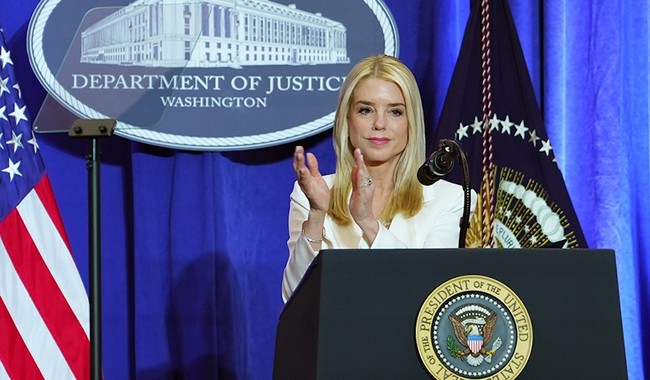
The Department of Justice says it has handed over every file tied to Jeffrey Epstein as required by Congress, and Attorney General Pam Bondi told lawmakers the releases are complete. That claim has stirred fresh political fights, congressional theatrics, and a long list of public figures whose names appear in the materials. The documents keep producing fallout across media and institutions, but Bondi insists nothing more is being withheld. This article lays out what Bondi announced, the political angle from Republicans, ongoing congressional moves, and the likely next steps in the public drama.
The Jeffrey Epstein story has dragged on for more than a decade and has damaged reputations across the board. For many, association with Epstein wrecked careers and public standing, while for others the records brought renewed scrutiny and vindication claims from political allies. Republicans see the files as proof that efforts to weaponize the story against conservatives failed and that transparency has been served. Bondi’s statement was framed as closure: the DOJ complied with the Epstein Files Transparency Act and released the materials cited by that law.
Bondi wrote to congressional leaders that the DOJ turned over “all” records covered by the statute, and she emphasized compliance with the specific categories listed under the law. Republicans have highlighted that language as proof the department followed the letter of Congress’s demand. The timing and contents of the releases prompted loud back-and-forths on Capitol Hill, where hearings became heated and partisan.
“No records were withheld or redacted ‘on the basis of embarrassment, reputational harm, or political sensitivity, including to any government official, public figure, or foreign dignitary.'”
Epstein has backfired on the left. Multiple powerful Democrats have been exposed and Trump has been VINDICATED.
The released material reportedly included reference to more than 300 high-profile names, and that long list became fuel for media and congressional firestorms. Republicans argue the documents expose selective outrage and show the left’s attempts to turn Epstein into a partisan cudgel. Democrats counter that the presence of names in records is not the same as criminal implication, and they continue to press for fuller context where possible. That tension drove a combative tone at recent congressional sessions where Bondi faced pointed questions and loud interruptions.
The House Oversight Committee has signaled further moves, including scheduled testimony from figures connected to the saga. Republicans on the Hill insist they will pursue follow-up witnesses to clarify how investigations and prosecutorial decisions were handled. There’s also interest in whether additional disclosures will come from other agencies or through court proceedings, though Bondi’s letter insists the DOJ has finished its statutorily required disclosures. That claim leaves oversight committees debating what else they can compel.
Key political actors remain under the microscope in various ways, and Republicans view continued scrutiny as a corrective to media narratives that long leaned one way. Some career institutions and public figures have seen direct consequences—resignations, reputational hits, and institutional fallout abroad. Conservatives point out those outcomes show the documents have real-world impact, and they argue transparency helps hold elites accountable regardless of party. For Republicans, the bigger win is that the documents did not deliver a lasting political blow to President Trump.
Democrats pushed aggressively at hearings and sought to turn the disclosures into fresh attacks, but Republicans pushed back, framing the effort as partisan theater. Bondi’s appearances on Capitol Hill included tense exchanges, and committee members traded accusations about motives and timing. GOP lawmakers treated the files as vindication of warnings that the Epstein matter had been mishandled and politicized for years, and they pushed for further review of prosecutorial choices in prior administrations.
The coming weeks will likely see more subpoenas and testimony as committees try to fill gaps in the public record. Republicans on oversight panels have openly discussed calling additional witnesses after scheduled hearings wrap up. The contrast between procedural closure at the DOJ level and ongoing congressional investigations creates two parallel tracks: the department claims compliance and finality, while lawmakers pursue accountability and narrative control in public settings. That split is fueling more headlines and partisan sparring.
For now, the DOJ’s message is simple: the documents covered by the act are out and nothing more will be produced under that mandate. Republicans are using that conclusion to press their political case and to argue that transparency, once achieved, undermines left-wing attacks. The Epstein files will continue to be a political and legal touchpoint, and oversight fights will determine whether the disclosure genuinely settles outstanding questions or simply resets the controversy.



Add comment