
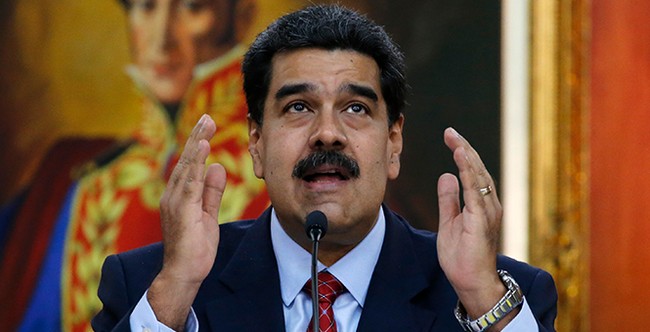
I’ll lay out how Venezuela’s new leadership is being tested by protests and demands for political prisoners, why the legal and security machinery matters more than one captive leader, what relatives and activists are doing to force action, and what the release of a handful of detainees means for real reform. The piece focuses on the political space now opening, the practical measures that will prove change, and the stakes for U.S. policy as events unfold. This is a close look at whether the country will dismantle the tools that jailed critics or simply reshuffle power.
Venezuela has seen its first big public protests since January, and those rallies are an early barometer of how far the new leadership will go. Youth Day demonstrations in Caracas and other cities pressed for the release of political prisoners and pushed for reforms that matter beyond symbolic gestures. The tone on the streets made clear that patience is thin and expectations are immediate.
Many outside observers focused on the capture of Nicolás Maduro as the turning point, but the real test shifts attention to institutions. Courts, prosecutors, and security services that enforced the old regime are still operating, and their legal tools to criminalize dissent remain in place. People in the streets are asking whether that machinery will be dismantled or simply repurposed.
Relatives and advocacy groups have escalated pressure as talks over amnesty stalled, using visible, painful tactics to force movement. Families launched a hunger strike outside a police facility in Caracas to underscore the urgency of their claims. Their argument is simple: negotiations have dragged on while hundreds remain detained and lives are on the line.
The numbers activists cite are stark: 431 political prisoners have reportedly been offered conditional release so far, while 644 remain behind bars. That gap helps explain why a small number of releases can feel insufficient and even tactical. For many families, piecemeal action is relief that arrives too late, not proof of a system-wide fix.
Thursday’s rallies were seen as a test for the new government following the U.S. capture Jan. 3 of President Nicolás Maduro.
Authorities did announce progress by freeing 17 detainees, and that move matters in human terms. Seventeen people walking free changes lives and gives some measure of hope to their families. Yet it does not resolve the question of whether the legal framework that criminalized opposition will be reformed.
The practical indicators of change are straightforward and verifiable. Will opposition leaders be able to meet publicly without fear of arrest or harassment? Will judges issue rulings without political interference and will protests end peacefully rather than in custody? These are the measures that reveal whether political space is expanding.
Lawmakers debating amnesty face a crucial choice between transparency and quiet, conditional fixes. A credible amnesty process should include transparent case reviews and formal clearing of charges for those prosecuted for dissent. Quiet releases without judicial clarity leave former prisoners vulnerable to renewed prosecution and do not change the underlying system.
For the United States, the unfolding events carry real implications about the outcome of regime change efforts. U.S. policy helped create pressure that contributed to Maduro’s capture, but what comes next will determine whether a shift in leadership produces structural reform or simply a reshuffling of authority. The credibility of any external support hinges on seeing durable institutions that protect political freedom.
Some analysts and sympathetic commentators have long framed Venezuela’s crisis mainly in economic terms. The focus of protests on political imprisonment pushes the conversation back to what many Venezuelans have said was always central: the suppression of dissent. Restoring real political freedom, not just economic stability, will be the touchstone of lasting change.
Families and activists continue their campaigns as the government balances immediate gestures with deeper reforms. Hunger strikes, public demonstrations, and legal challenges keep pressure on lawmakers and officials to deliver something substantive. Those who follow the situation should watch whether conditional releases are followed by open legal reviews and formal exonerations.
Seventeen freed detainees offer a momentary sign of progress without settling the broader debate over systemic change. Some relatives felt relief, others saw it as proof of how many names remain unresolved, and activists kept the hunger strike going. The unfolding response will test whether this transition is real or merely cosmetic.
Relatives of political prisoners launched a hunger strike outside a police facility in Caracas as talks over a promised amnesty law continued.
Editor’s Note: Thanks to President Trump and his administration’s bold leadership, we are respected on the world stage, and our enemies are being put on notice.
Add comment