
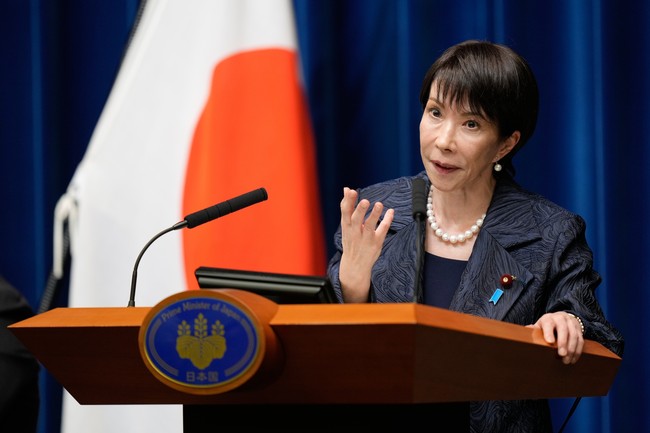
President Donald Trump hosted Japanese Prime Minister Sanae Takaichi at the White House, and their meeting mixed warmth, policy alignment, and a TV-ready moment that set social media buzzing. The encounter showed a close personal rapport alongside practical cooperation on regional security, with a lighthearted aside sparking predictable media outrage. Their camaraderie and shared admiration for the late Shinzo Abe framed a productive visit that underscored a strong Japan-U.S. partnership. This piece walks through the moments that mattered, the policy signals, and the friendly exchanges that defined the day.
Japanese PM and Trump Share Sweet Moments During White House Visit As Usual Suspects Flip Out Over Joke
President Trump and Prime Minister Sanae Takaichi met at the White House, and from the first second it was clear this was no stiff diplomatic photo op. Instead of a reserved handshake, Takaichi moved in for an enthusiastic hug, a gesture you rarely see from Japanese leaders and one that revealed genuine warmth. That moment set the tone: friendly, familiar, and unmistakably personal.
They’ve built a rapport that goes beyond protocol, partly because both admire the late Shinzo Abe, whose influence on U.S.-Japan ties was profound. That shared respect shows up in how they talk and act when cameras are rolling. During a press interaction, Trump made a quip about keeping information on a strike regarding Iran secret, and the clip immediately lit up social platforms.
The joke split reactions — some people laughed, others judged it poor form — and the media predictably ran with the most dramatic takes. Left-leaning outlets went into full outrage mode, as they often do over any off-the-cuff moment from Trump. But in the room, Takaichi didn’t seem offended; she was warm and at ease, which matters more than headlines.
She kept the tone upbeat throughout her remarks and praised the partnership. The two emphasized cooperation on shared goals, including security and economic stability in the region. Japan’s stance on the Strait of Hormuz and its willingness to coordinate with allies was a key part of the discussion.
Japan backed the allies’ statement on the Strait of Hormuz and signaled support for collective efforts to protect navigation and energy flows. Legal constraints from post-World War II statutes limit Japan’s military options, but Takaichi made clear Tokyo intends to help where it can as a responsible ally. Her words reassured observers that Japan intends to be a constructive partner even within its legal framework.
Trump’s pressure and leadership on alliance-building are part of what pushed more nations to align on that issue. The administration’s direct diplomacy on regional security is yielding tangible results, with allies joining together to deter threats. That unity on the waterway is practical, not performative, and that’s what both leaders stressed.
Takaichi also took a moment to be personable and gracious, and that human touch plays well in diplomacy. She complimented Trump on his son Barron because it was his birthday, a light, well-timed gesture that softened the public appearance and connected on a personal level. These small moments matter; they show leaders aren’t just negotiating from scripts but from relationships.
“Tomorrow is the birthday of your son, Mr. Barron Trump, and I know he has grown up so much, into a very tall, good-looking gentleman,” she said as everyone laughed. “As I see you, Donald, it is very clear where he got it. From his parents, there is no doubt about it…Please convey my sincere happy birthday wishes to him.”
She went on to describe their shared ambition: “a stronger Japan and a stronger America; a more prosperous Japan and a more prosperous America.” That line echoed Abe’s vision and reinforced the message that U.S.-Japan cooperation is central to regional stability. Takaichi even repeated Abe’s rallying cry in Washington, showing continuity and pride in Japan’s international role.
“Late PM Shinzo Abe — who was Donald’s dear friend and my dear friend, too — eloquently said one phrase here in Washington, D.C. upon his visit. And as I stand here today, I would like to repeat what he said with greater pride and confidence: JAPAN IS BACK!”
The visit combined substance with style: policy commitments about maritime security, warm personal rapport, and a photo-friendly, human moment that drove coverage. Critics will parse every quip, but the basics are clear: two leaders who like each other and are willing to work together to protect shared interests. That’s exactly the kind of alliance-building this era needs.
Takaichi’s energy and straightforward praise for the relationship made a strong impression, and the day’s exchanges sent a useful signal about what cooperative leadership looks like. Practical alignment on issues like the Strait of Hormuz and a personal connection anchored in respect for Abe are what make this partnership durable. In the end, gestures and jokes don’t replace policy, but in this case they complemented it in a way that advanced the alliance.


Add comment