
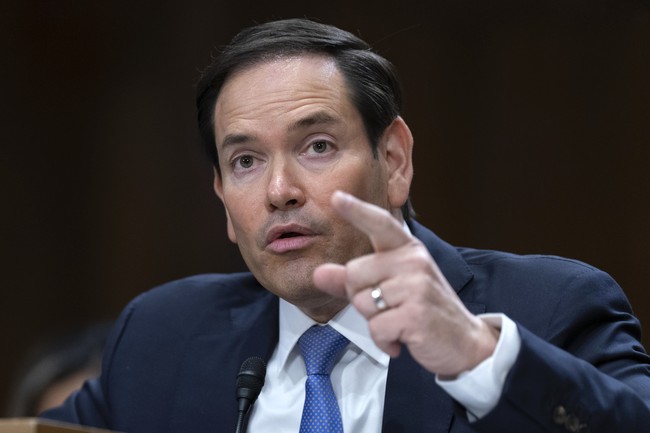
I’ll outline the State Department moves, summarize Secretary Rubio’s warnings, note the groups involved, and explain the two new actions taken to confront transnational far-left and narco-terror networks.
Secretary of State Marco Rubio used a high-profile forum to call attention to an international problem that demands a firm response. He warned that far-left militants have evolved into coordinated, transnational networks aligned with hostile state actors. The speech tied ideological movements like Antifa to broader patterns of violence and foreign support, making a case for tougher counterterrorism measures. That argument set the stage for the State Department’s latest designations and policy changes.
In his address, Rubio said violent leftist groups are moving beyond local protests and becoming part of a cross-border ecosystem. He described how militants travel, share training and propaganda, and sustain operations through underground channels and finance. That portrayal underlines the need for government actions that treat these networks as national security threats rather than merely domestic unrest. Republicans see this shift as validation for a more aggressive foreign and domestic policy stance aimed at protecting American communities and borders.
My colleague Ward Clark wrote:
On Thursday, Secretary of State Marco Rubio issued a stark warning about the rise of left-wing violence. Speaking at a State Department function attended by at least 60 delegations from other countries, Secretary Rubio spoke about the rise of far-left political violence and the need to adopt counter-terrorism tactics to combat it.
https://x.com/RapidResponse47/status/2077752342405955670
Rubio singled out Antifa as part of the pattern he described, arguing that it fits into the transnational story. He said these groups are not isolated troublemakers but operating across continents, coordinating attacks and tradecraft. That characterization reframes how policymakers should respond: not as isolated law enforcement incidents but as elements of international networks to be disrupted.
@SecRubio:
“Antifa militants and their comrades travel from across Europe and to the Americas to participate in each other’s attacks, to funnel propaganda and training, materials, and target information through shared encrypted channels — moving through underground networks of safe houses, and finance and sustain their operations through transnational funds. And they work alongside hostile foreign states that share their mission.”
Rubio also highlighted the role of hostile states in enabling these movements, pointing to Iranian proxies and Cuba’s influence as examples that stitch together local militants and foreign intelligence efforts. He argued that regimes with an interest in destabilization export tactics, ideology, and logistical support to sympathetic groups abroad. For those of us who favor a robust national defense and clear foreign policy, that linkage is obvious and worrying. The belief is that confronting these threats requires coordinated diplomatic pressure and legal tools.
The State Department followed Rubio’s remarks with two concrete moves intended to clamp down on violent networks that cross borders. First, Secretary Rubio designated two Mexican cartels—the Juárez Cartel and Los Viagras—as Foreign Terrorist Organizations and as Specially Designated Global Terrorists. That label raises the legal and financial consequences for those groups and demonstrates a willingness to treat narco-terrorism as true terrorism.
Today, I designated two additional Mexican cartels, the Juárez Cartel and Los Viagras, as Foreign Terrorist Organizations and Specially Designated Global Terrorists. Under President Trump’s leadership, we will never stop fighting against violent narco-terrorists from flooding our nation with deadly drugs.
Designating cartels as terrorist organizations strengthens sanctions, freezes assets, and limits the ability of these groups to use international systems to launder money. It also sends a message to governments and law enforcement partners that Washington is ready to coordinate aggressively. Republicans will argue that this approach protects communities from both the violence cartels export and the flood of lethal narcotics they push into American neighborhoods.
The second action tightened visa restrictions to prevent supporters of far-left violent groups and their enablers from entering the United States. The new visa policy aims to block those who provide material support, training, or logistical assistance to transnational extremist groups. Restricting entry is a direct and pragmatic tool that complements financial pressure and legal designations, making it harder for hostile actors to operate freely.
These moves reflect a broader Republican view that strength, clear designations, and coordinated international pressure are the right tools to confront both ideological and criminal networks. Treating violent leftist groups and narco-terror organizations as serious national security threats allows the government to use a wider toolkit. The result should be tougher enforcement, fewer safe havens, and greater protection for American citizens at home and abroad.


Add comment