
Checklist: Note network snubs, explain why coverage matters, quote reporting on network decisions, criticize media bias from a Republican perspective, preserve original quoted passages and embed tokens.
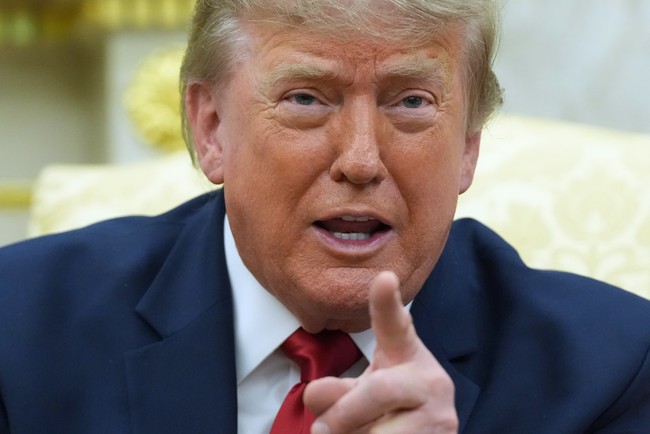
President Donald Trump is set to deliver a major primetime address tonight, and that alone should make it newsworthy for national broadcast networks. Traditionally, presidents’ addresses get live coverage out of respect for the office and because millions of Americans expect to hear directly from the White House when something significant is announced. Tonight, however, two of the big legacy networks appear ready to sit this one out, and that decision raises basic questions about journalistic duty and fairness.
The concerning part is how selective coverage has become. ABC and NBC reportedly will not pre-empt their entertainment programming at 9 p.m. for the president’s remarks, while other outlets weigh their options. This selective blackout of a presidential speech is a stark departure from the old norms where networks treated the office with at least baseline respect and allowed the public to hear from the commander in chief live.
There are reasons being cited for the blackout, and critics of the networks say those reasons are thin. Executives point to the potential partisan or incendiary nature of the remarks and to the possibility of unsubstantiated claims that would require on-air context or correction. But that logic risks turning every presidential statement into something pre-approved by gatekeepers rather than letting the public judge for themselves and receive analysis afterward.
https://x.com/Polymarket/status/2077862587006607634?ref_src=twsrc%5Etfw
Media executives are framing this as a tough editorial call, but the result reads like political calculation. If networks refuse to air a presidential address live because they fear controversy, they are deciding for viewers that live exposure to the president is too risky for their schedules. That is an odd position for outlets that routinely air pundit-driven segments and take viewer attention for granted.
Neither ABC nor NBC is planning to pre-empt regularly scheduled entertainment programming at 9 p.m. when Mr. Trump speaks. Fox News, which airs “Hannity” during that time slot, has not said if it will broadcast the president’s address.
CBS, CNN and MS NOW did not respond to inquiries about their programming plans for Thursday evening.
These networks claim concern about accuracy and context, but the pattern is obvious to anyone paying attention. Coverage has not been even-handed in the past; administrations aligned with the left get smoother treatment while conservative voices face gloves-off scrutiny. When a president from the right speaks on a national issue, some outlets default to skepticism first and coverage second, which flips their responsibility on its head.
The uncertainty is a direct result of the potential for Mr. Trump’s speech to become partisan or incendiary. The president is expected to raise the specter of voter fraud in the 2020 presidential election, according to people familiar with his plans. Mr. Trump has said his address will concern election security, and that he has “really, really big news” to share.
If Mr. Trump makes unsubstantiated allegations of election rigging, network executives will need to decide whether to ask their anchors to break in and fact-check the president’s remarks, or wait until he is finished speaking to provide context.
Those quoted passages are exactly the sort of framing that steers audiences toward doubt before a single word is heard. If the networks think their viewers need a buffer to protect them from public speech, they are treating adults like children. The networks can, and should, provide instant context after the speech rather than pre-empting the audience’s right to hear the remarks firsthand.
Conservatives have watched this pattern play out for years: interviews edited to highlight mistakes, selective coverage of policy wins, and a persistent tone of distrust when conservative leaders speak. Refusing to carry a presidential address live looks less like editorial prudence and more like punishment by omission. The people who pay the highest price are viewers denied the chance to form their own opinions in real time.
Live broadcasts don’t have to be raw and unmediated chaos. Anchors can prepare to follow up and fact-check, newsrooms can have experts ready, and networks can label disputed claims as they do with corrections or clarifications. There are practical solutions that allow both live coverage and responsible journalism. Choosing not to air a speech entirely abandons those solutions and concedes that the outlet prefers to shape perception by absence.
This is not a plea to ignore legitimate concerns about misinformation. It is a demand that major networks treat the presidency and the public with a minimum standard of respect. Air the address, cover it, then analyze it. Putting judgment before coverage sets a dangerous precedent where media companies act as final arbiters of what the public can see and hear.
Public trust in media is already fragile, and tonight’s programming choices will either worsen that fracture or begin to mend it with fair, open coverage. Whatever the networks decide, their audiences will notice whether those decisions are driven by news judgment or ideology.


Add comment