
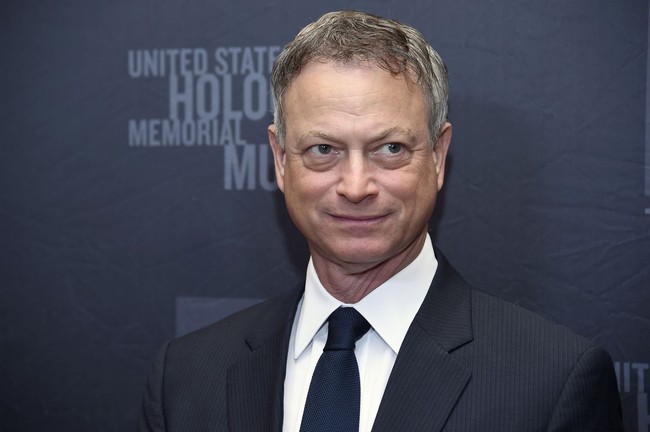
On Veterans Day, this article highlights Gary Sinise’s recent $1 million donation to help CreatiVets buy a vacant Nashville church and turn it into a creative refuge for veterans, outlines Sinise’s long history of veteran support including the Lt. Dan Band and the Gary Sinise Foundation, and presents veterans’ voices about how arts programming can aid recovery from physical and invisible wounds.
We start with the basics: a vacant west-side Nashville church that sat unused for years is now being repurposed as a center where veterans can find artistic outlets and peer support. CreatiVets purchased the property for $3.35 million and Gary Sinise contributed $1 million to make the project viable. The plan is to use music, theater, and visual arts as tools to help veterans process trauma and reconnect with civilian life.
Sinise is widely recognized for his role as Lieutenant Dan Taylor in Forrest Gump, but his work for veterans goes far beyond Hollywood roles. In 2004 he founded the Lt. Dan Band to entertain troops on USO tours, and in 2011 he established the Gary Sinise Foundation to expand support efforts. The foundation’s projects have included building specially adapted homes for wounded veterans and providing material aid after disasters.
Hi, I’m Gary Sinise.
You may know me as an actor, but my life’s work has been to honor and support our nation’s veterans, first responders, wounded heroes, families of the fallen, and those enduring invisible wounds. I launched Gary Sinise Foundation to expand that mission.
I hope to see you on this journey. Join us.
The Nashville project fits that mission by offering a nonclinical, creative way for veterans to open up when conventional help feels intimidating or insufficient. Many veterans are taught in service to suppress emotion and focus strictly on the mission, and that training can make it hard to ask for help later. Programs that use songwriting, theater exercises, and collaborative art provide a different entry point for expression and healing.
In the military, you’re trained to do serious work to protect our country, right? If you’re in the infantry, you’re being trained to kill. You’re being trained to contain any emotion and be strong. Those skills are important when fighting the enemy, but they also take a toll, especially when veterans aren’t taught how to discuss their feelings once the war is over.
Sinise has said that many veterans resist traditional outreach, but they often respond when given a creative channel. He noted that acting out experiences in a theatrical setting or writing them into song can unlock feelings and reduce isolation. Those moments of shared work and storytelling can also build community among veterans who might otherwise suffer alone.
CreatiVets’ model is practical: bring veterans together with professional songwriters, musicians, and theater mentors in spaces that feel safe and purposeful. The organization has run programs at venues like the Grand Ole Opry and has partnered with music industry professionals to help veterans tell their stories. That approach aims to turn painful memories into creative output that validates experience and fosters recovery.
David Booth says he is living proof of how CreatiVets can help. And the retired master sergeant, who served 20 years in the U.S. Army as a medic and a counterintelligence agent, wishes he participated in the program sooner.
“For me, this was more important than the last year and a half of counseling that I’ve gone through,” said Booth. “It has been so therapeutic.”
After years of being asked, Booth, 53, finally joined CreatiVets’ songwriting program in September. He traveled from his home in The Villages, Florida, to the historic Grand Ole Opry in Nashville, to meet with two successful songwriters – Brian White, who co-wrote Jason Aldean’s “Blame It on You,” and Craig Campbell, of “Outskirts of Heaven” fame – to help him write a song about his life.
Booth told them about his service, including his injury in Iraq in 2006 when the vehicle he was in struck an improvised explosive device and detonated it.
He suffered a traumatic brain injury in the explosion, and it took months of rehab before he could walk again. His entire cervical spine is fused. He still gets epidurals to relieve the nerve pain. And he still suffers from nightmares and PTSD.
Individual stories like Booth’s illustrate why community-based arts programs can matter more than a single course of counseling for some veterans. Creative work can be iterative and self-directed, letting participants return to a practice that builds confidence and purpose over time. Spaces designed for veterans, staffed by people who understand military culture, reduce barriers that often keep service members from seeking help.
There are opportunities out there for all of us to do that and one of the ways to do it is through multiple nonprofits that are out there.
Public-private philanthropic support makes these programs scalable and sustainable, and large donations like Sinise’s accelerate projects that might otherwise stall. Repurposing an existing building into a veteran-centered arts hub also preserves community architecture while meeting a clear need. On a day set aside for national gratitude, projects that directly improve veterans’ lives are a tangible expression of thanks.
Turning a vacant church into a place “to go when the PTSD hits” is a straightforward, community-focused idea: give veterans tools to speak, to create, and to connect. For many who’ve carried burdens since deployments, those opportunities can be life-changing. The Nashville center aims to be just that kind of place, where art and camaraderie offer practical, everyday support.
Add comment