
This piece looks at the fallout after Nicolás Maduro’s capture, how Democratic leaders reacted, and Sen. John Fetterman’s blunt rebuke of the feverish partisan outrage. It highlights past positions on removing Maduro, the bounties placed across administrations, and comments from key figures that expose the contrast between words and deeds. The article centers on Fetterman’s interview and related commentary, keeping quoted material intact and embedding original video markers where they appeared.
The news that Nicolás Maduro was taken into U.S. custody sparked furious reactions from many on the left, but the response was predictable to conservatives who have long argued Maduro was a menace. Republicans see the capture as the culmination of pressure applied across administrations, not a reckless stunt. That context matters when judging the sudden moral panic from people who previously supported tougher measures.
Across the political spectrum, Maduro had been on Washington’s radar for years due to alleged narco-terrorism and drug trafficking ties, and bounties reflected that sustained attention. A $15 million bounty appeared during the first Trump administration, rose to $25 million late in the Biden term, and was later increased to $50 million after President Trump began his second term. Those numbers are part of the record and explain why many lawmakers once supported removing him from power.
Sen. Chuck Schumer’s weekend remarks captured the shock on the left: “This is reckless. And the American people are just, this morning, in fear of what’s going to happen here.” He argued Republicans should be focused on domestic issues like the cost of living rather than foreign operations. For Republicans, though, that argument rings hollow when the people in question helped set the policy or backed steps to remove a dictator until it became politically inconvenient.
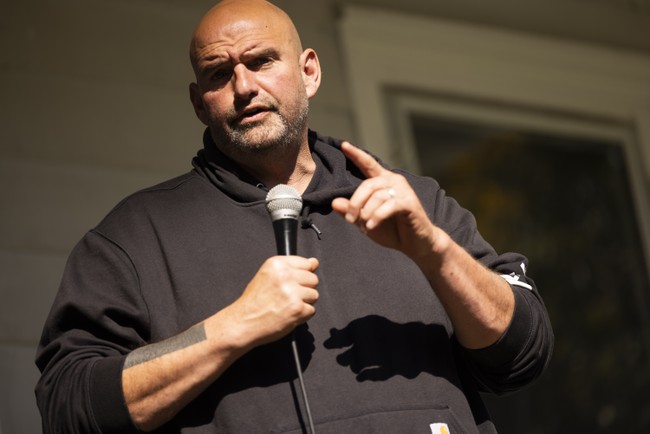
Sen. John Fetterman pushed back sharply on that hypocrisy during a Fox News interview, refusing to let the left rewrite its earlier positions. He recalled speeches and past messages from Democrats that called for Maduro’s removal and urged a straightforward acknowledgement of success now that it has occurred. His tone was blunt and dismissive of recent performative outrage, and he demanded consistency from leaders who once wanted Maduro gone.
“I don’t know why we can’t just acknowledge that it’s been a good thing what’s happened. I mean, I’ve seen the speeches from… whether it’s Leader Schumer or past tweets from President Biden. You know, we all wanted this man gone, and now he is gone. I think we should really appreciate exactly what happened here.”
“Now, remember, we all… Democrats, years ago, wanted to eliminate him, and why have a bounty of $25 million if we didn’t want him gone? Why would you do these things if you weren’t willing to actually do something other than harsh language?”
Fetterman also highlighted the human cost under Maduro: displacement, chaos, and criminal networks that reached beyond Venezuela’s borders. “Let’s remember, eight million Venezuelans were displaced and mass chaos, and now they were shipping drugs to our nation as well.” That view frames the capture not as political theater but as a response to real harm affecting both hemispheres.
Watch:
Conservatives point out that this outcome follows years of policy and enforcement actions, not sudden adventurism. Secretary of State commentary noted that President Trump follows through on promises, distinguishing between rhetoric and decisive action. For many Republicans, the capture is evidence of a leader who delivers results rather than merely making headlines.
Language warning:
The pushback against cries of recklessness also rests on precedent: administrations of both parties raised bounties and supported measures intended to remove Maduro. That bipartisan history undercuts claims that recent operations were unilateral stunts and bolsters the case that this was a focused effort consistent with long-standing U.S. concerns about drug trafficking and regional stability. Political attacks that ignore that record look like partisan theater more than policy critique.
Responses from Democratic leaders who now denounce the operation are especially vulnerable to charge of inconsistency given their prior statements and actions. Republicans see a clear pattern where political calculation replaces earlier positions once the political winds shift. For voters watching, the inconsistency fuels broader skepticism about elite outrage during moments that threaten a preferred narrative.
Beyond partisan squabbling, the capture of a foreign leader with an extensive criminal network raises real policy questions about justice, accountability, and regional security. Conservatives argue that holding violent actors to account is part of protecting American safety and supporting oppressed populations abroad. That point resonates more when the people calling for restraint previously advocated for the opposite.
In the days ahead, debates will focus on legal processes, intelligence oversight, and the broader diplomatic fallout. Republicans will continue to press that decisive action, when rooted in past policy and international concerns, should be judged on results and consistency rather than instant outrage. For now, the capture stands as a vindication for those who argued Maduro posed a clear threat that needed addressing.


Add comment