
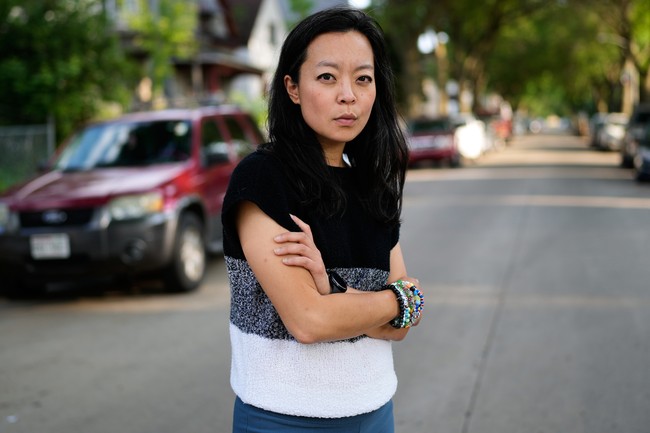
This piece looks at the brewing panic inside Wisconsin Democrats as Francesca Hong, a DSA-aligned state representative, gains momentum in the governor’s primary. It tracks her public appearances with controversial left-wing figures, reactions from veteran Democrats and Republicans, and why establishment operatives fear the general election fallout. Embedded posts and clips from recent campaign events are included where they originally appeared.
Longtime Democratic strategist James Carville famously warned, “If he becomes a force within the Democratic Party, I’m out of here! I have no intention of ever being in the same political party with that guy!” That line still hangs over the debate about where the party is headed, and it captures how polarizing figures can reshape internal calculations. Carville’s remark feels especially relevant as new alliances form in states that could decide control of governorships this cycle.
In Wisconsin, Francesca Hong has emerged as the outsider favorite in the August primary to succeed Gov. Tony Evers. Her rise has set off alarm among establishment Democrats, who worry that a nomination for a DSA-style candidate could hand the general election to the GOP. Those concerns are not abstract; Wisconsin is a swing state where margins are tight and messaging matters at the ballot box.
One big reason establishment figures are nervous is who Hong chooses to appear with on the trail. She sat down with prominent left-wing commentator Hasan Piker in late June, a move that signal-boosted her appeal with progressive audiences but also handed Republicans fresh attack lines. That interview has been cited by multiple analysts as proof Hong is courting the DSA base rather than the broader center-left coalition voters expect in a purple state.
Critics warned Hong that media-friendly radicals would be used against her in a general election, but she doubled down instead of distancing herself. She later appeared with Piker and Rep. Ilhan Omar at a Sunday campaign event, a trio that underscores how local races can become nationalized. Those appearances have energized progressive backers while intensifying hand-wringing among moderates who fear backlash from suburban and swing voters.
Republicans seized on those appearances immediately, framing Hong as a standard-bearer for the party’s far-left faction and a risky choice for a state that voted for Republicans and Democrats in tight contests. Former Gov. Scott Walker publicly criticized the alignment, delivering a critique meant to make voters question Hong’s electability outside of progressive urban centers. Republican messaging aims to tie Hong to national figures whose statements are easily edited into negative campaign spots.
Tom Tiffany, the Trump-backed presumptive GOP nominee, has been presented by opponents as the alternative who can win in November if Democrats nominate a DSA-aligned candidate. Tiffany’s campaign and allies released rebuttals and rapid-response material targeting Hong’s associations and policy positions. Those responses underline a simple political truth: in battleground states, primaries can determine not just nominees but the chances of flipping executive power.
Democratic centrists fear the nomination process could leave them with a candidate who energizes a base but struggles to draw swing and independent voters. The debate playing out in Wisconsin mirrors broader national tensions in the Democratic coalition between pragmatic electoralism and ideological purity. That split has consequences beyond one race; it shapes how donors, volunteers, and local leaders decide where to invest their time and money.
https://x.com/DSA_Watch/status/2072852868949049771
The optics of embracing controversial national figures have already reshaped the narrative of this primary, and messaging wars will only intensify as August approaches. Both sides know a televised ad or viral clip can swing undecided voters in a state where small shifts matter. Campaigns are preparing for a fast-flying media cycle where every appearance and quote is fodder for opponents.
For Republicans, this is a straightforward strategy: highlight contrasts, nationalize the race, and present a nominee who looks presidentially ready to the broader electorate. For frustrated Democrats, the choice is between staying true to a growing progressive base or pivoting toward more centrist, general-election-friendly positions. That strategic tension will shape the rest of the primary season in Wisconsin.
Editor’s Note: The 2026 Midterms will determine the fate of President Trump’s America First agenda. Republicans must maintain control of both chambers of Congress.

Add comment