
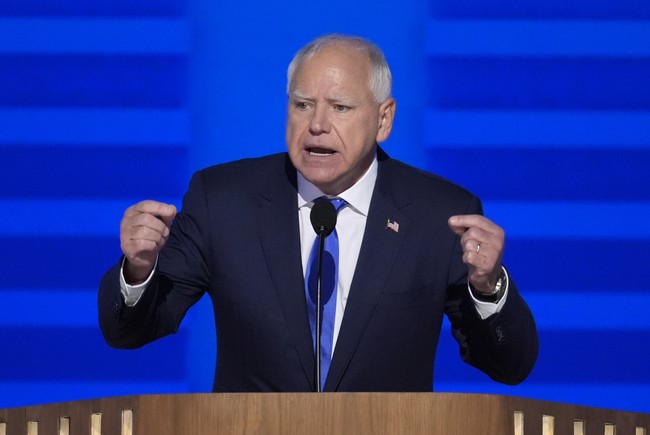
I’m unpacking the fallout from allegations that Minnesota’s Democratic governor, Tim Walz, presided over a program riddled with fraud worth billions since 2018, examining the warnings that were reportedly ignored, the political consequences now unfolding, and the questions about accountability and oversight that Republicans are raising.
Tim Walz’s Fraud Nightmare – Years of Warnings Ignored; Now the Reckoning Begins
Republicans are right to demand answers after reports surfaced suggesting massive fraud in Minnesota’s social services system stretching back to 2018. When federal prosecutors hint that losses could reach into the billions, voters deserve a clear explanation of who knew what and when. This isn’t a policy debate; it’s about basic competence and the duty to protect taxpayer dollars.
For years critics warned that prioritizing ideological goals over oversight creates weak systems ripe for abuse, especially when agencies focus on “equity” and “anti-racism” rhetoric rather than standard anti-fraud controls. Minnesota’s system, according to those critics, became a laboratory for mission-driven management that deprioritized basic checks and balances. When you see rules loosened with good intentions but no safeguards, the result is predictable.
Evidence now suggests the fraud involved welfare-style programs and operations tied to Somali communities, a detail that complicates the politics but not the core responsibility: public servants must prevent theft and abuse regardless of the recipients. The allegations put a spotlight on the Walz administration’s oversight record and the Department of Human Services’ internal controls. Republicans argue that the pattern points to administrative negligence if not worse.
Political fallout is already playing out. Walz announced he will not run for reelection, a move critics call an implicit admission of failure or an attempt to escape scrutiny. The timing looks suspicious to many, and calls for deeper investigations are growing louder in GOP circles. Removing oneself from a campaign does not remove one from accountability for actions in office.
The conversation has also shifted to federal oversight and criminal referrals, with U.S. attorneys reportedly investigating the scope of the losses since 2018. When prosecutors weigh in with multibillion-dollar figures, it’s no longer a state policy squabble; it becomes a criminal matter and a crisis of governance. Republicans assert that Department leadership must be held to account and that whistleblowers should be protected and heard.
Observers note the familiar refrain: “play stupid games, win stupid prizes.” That saying may be overused, but critics say Walz’s administration created predictable opportunities for fraud by emphasizing narrative and optics over routine auditing. The resulting scandal undercuts public trust and fuels a broader GOP argument that Democrats manage taxpayer programs with ideology instead of discipline.
Questions about Walz’s future in office are now front and center: will he finish his term under a cloud, or will mounting pressure force a resignation? Republicans are already arguing for hearings, subpoenas, and transparency, insisting the public get a full accounting. Accountability, they say, must be more than rhetoric; it must be enforced through oversight and, where appropriate, criminal investigation.
Critics have used sharp language to describe the situation, calling Walz a “buffoon” and accusing him of presuming he’s above the law. That tone reflects deep outrage among opponents and underscores how politically combustible this story has become. But taking aim at personality doesn’t replace the need for methodical fact-finding and legal action where evidence supports it.
State leaders who defended the programs now face questions about whether they ignored red flags or were simply overwhelmed by a system poorly designed to stop fraud. Republicans point to the need for structural reforms: stronger auditing, clearer lines of responsibility, and independent reviews that cannot be gamed by political operatives. Without those fixes, similar problems could recur regardless of which party holds the governor’s mansion.
The stakes are high because this is about public faith in government stewardship of resources intended for vulnerable residents. When failure at the top permits rampant abuse, taxpayers and intended beneficiaries both lose. Republicans will use this episode to press for reforms aimed at restoring fiscal discipline and ensuring programs function for the people they were meant to help.
One small but telling detail: reporting has connected the scandal to operations involving Somali-related programs, a fact that adds cultural and political sensitivity to an already explosive situation. Republicans argue that cultural considerations cannot excuse lax oversight or a double standard when it comes to enforcing rules. Fairness requires equal enforcement for all.
The coming weeks should reveal whether investigations produce indictments, administrative firings, or substantive policy changes. Republican voices will press for transparency every step of the way and insist that those responsible answer in public forums. For now, the core demand is simple: follow the money, follow the evidence, and restore accountability in Minnesota’s government.
— Western Lensman (@WesternLensman)



Put this scum bag before the Military Tribunal at GITMO ALREADY!!!
Hundreds of $Billions you and your cronies ripped the taxpayers off for!