
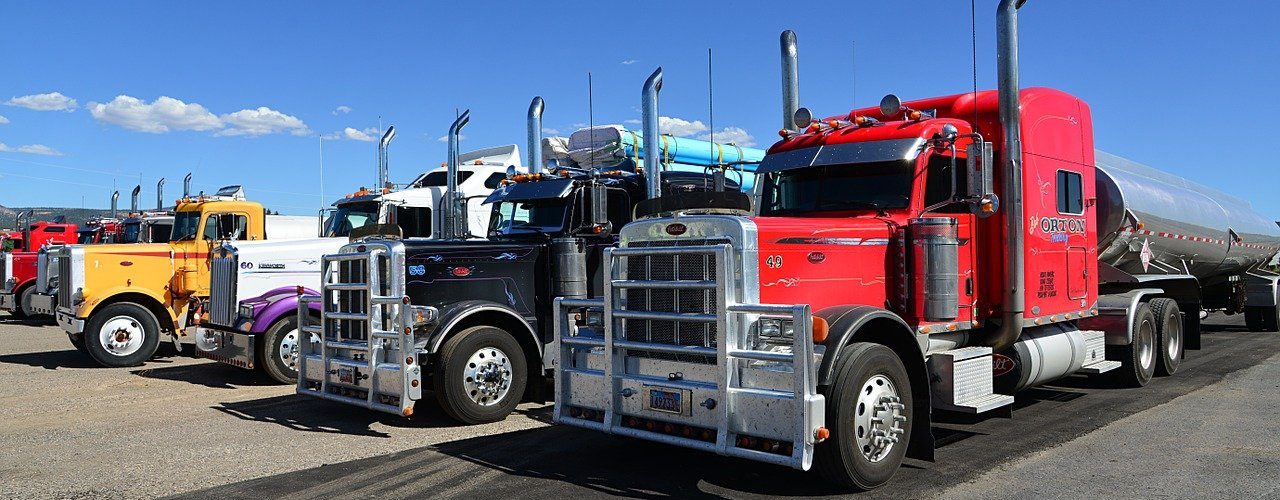
Natasha Cruz-Sanchez urged the Department of Transportation to require English-language proficiency for commercial truck drivers, arguing that clear communication is vital for safety, enforcement, and efficient commerce. She made her case on Newsmax’s “National Report,” pointing to common-sense standards that would reduce accidents, improve dispatcher and law enforcement interactions, and ensure drivers understand federally mandated safety rules.
Requiring English proficiency for truckers is framed as a straightforward safety measure rather than an attack on any community. The central point is that interstate freight moves on a shared system where misunderstandings can cause hazardous situations, costly delays, and tragic outcomes.
Supporters argue that when a driver can read highway signs, understand inspection instructions, and follow emergency direction from first responders, the whole supply chain benefits. Clear communication cuts down on avoidable mistakes, speeds up inspections, and reduces the friction that turns routine stops into long, expensive interruptions.
Advocates also say that standardized language requirements would make enforcement of federal regulations simpler and more consistent. If a driver cannot understand safety directives or paperwork, it becomes much harder for officers and inspectors to confirm compliance and protect the traveling public.
Economy and efficiency are central to the argument for a language standard, since delayed shipments ripple across industries. Employers, shippers, and consumers all pay when loads are held up because of communication failures that could have been prevented with basic language skills.
There is a practical side to training and testing that proponents emphasize: standards can be implemented through existing CDL frameworks without reinventing licensing. The goal would be to ensure drivers can follow safety-critical instructions and read essential documents, not to create an unnecessary barrier for skilled drivers who already meet professional expectations.
Critics often frame language rules as exclusionary, but supporters counter that the focus must remain on public safety and operational reliability. Establishing a clear minimum for understanding English is presented as a neutral, objective criterion tied directly to responsibilities on the road.
From a regulatory perspective, the Department of Transportation has the authority to adopt measures that improve highway safety and reduce risks. Proponents say a targeted proficiency requirement fits squarely within that mandate and would align with other safety-focused qualifications already tied to commercial driving.
Implementing any new standard raises questions about testing methods, accommodations, and transition timelines, and those details require careful planning. But advocates insist that practical solutions exist, including integrated language assessments within current CDL processes and targeted training programs to help drivers meet the requirement.
There are also workforce implications to consider, and supporters want to avoid unnecessary disruptions to the industry while raising baseline safety. The idea is to set a realistic, enforceable standard that improves communication on highways without sidelining experienced drivers who can meet the expectations.
Politically, the proposal appeals to Republicans who prioritize law and order, public safety, and efficient commerce. The argument frames language proficiency as a commonsense rule that protects Americans, preserves jobs by preventing costly accidents, and supports fair enforcement of federal standards.
Stakeholders in trucking, law enforcement, and private industry will need a seat at the table to shape workable policies and timelines. With thoughtful implementation, advocates contend that an English proficiency standard could reduce accidents, lower costs from delays and inspections, and strengthen public confidence in highway safety.
Natasha Cruz-Sanchez appeared on Newsmax’s “National Report” to press these points, emphasizing that clear communication is not optional when lives and livelihoods depend on it. The conversation underscores the larger debate about how best to balance access to jobs with uncompromising commitments to safety and compliance on America’s roads.



Start making cash right now… Get more time with your family by doing jobs that only require for you to have a computer and an internet access and you can have that at your home. Start bringing up to $2700-$5700+Dollar per week . I’ve started this job and I’ve never been happier and now I am sharing it with you, so you can try it too. You can check it out here…
COPY THIS→→→→ Www.livejobs247.blogspot.com/