
The state of New York’s Medical Aid in Dying Act went into effect August 5, but a federal judge has put a temporary shield around four Catholic orders and their health ministries, blocking state officials from enforcing several contested requirements against them while litigation proceeds. The court entered a consent order July 30 that prevents enforcement of many obligations the ministries say would force them to participate in assisted suicide, and the agreement stays in place until the judge lifts it or rules otherwise. The dispute centers on whether longstanding religious healthcare providers can maintain their faith-based practices without facing fines, criminal exposure, or professional discipline under the new law and related state rules.
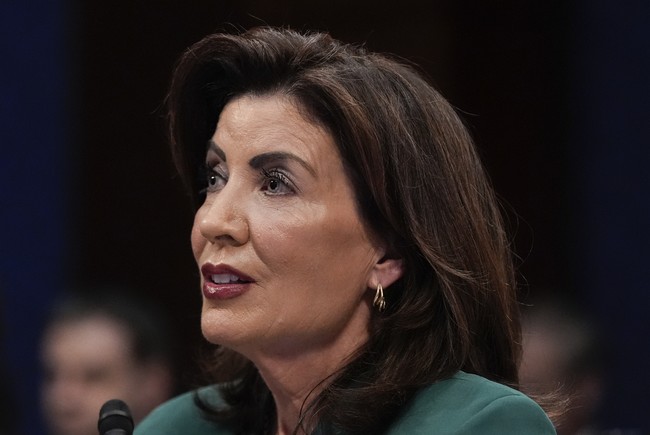
The legislation allows a terminally ill adult New York resident with six months or less to live to obtain medication that the patient may self-administer to cause death. Gov. Kathy Hochul signed the bill on February 6, giving the state six months to prepare for the August effective date. The statute sets procedural safeguards: two physicians must confirm diagnosis and prognosis, patients must undergo a mental health evaluation, make a recorded oral request and a written request, and wait five days before medication can be dispensed.
The Carmelite Sisters for the Aged and Infirm, the Dominican Sisters of Hawthorne, the Missionary Sisters of St. Benedict, and the Little Sisters of the Poor filed suit on July 1, joined by diocesan and Catholic health partners and several long-running nursing and assisted-living facilities. The ministries say they do not prescribe, counsel about, refer for, or permit assisted suicide at their facilities, and they sued after concluding the new law, paired with New York’s Palliative Care Information Act, could be read to force them into roles that violate their beliefs. Their complaint warned the state had presented them with a stark choice: “Either abandon their religious beliefs regarding the sanctity of life or face significant fines and penalties.”
U.S. District Judge Anne M. Nardacci signed a consent order on July 30 after the parties voluntarily agreed to a temporary restraining order. That order blocks Attorney General Letitia James, the state Health Commissioner, and state medical board officials from requiring the plaintiffs or those who work for them to provide information and counseling about the use of medication for medical aid in dying. The protections remain until Nardacci denies the plaintiffs’ emergency motion, grants the state’s anticipated motion to dismiss, or issues another ruling.
The court’s list of prohibited enforcement steps is extensive and detailed. State officials may not require the ministries to establish assisted-suicide policies, arrange counseling by another provider, refer or transfer patients to willing providers, document requests, evaluate whether a patient qualifies, permit drugs to be prescribed or taken on their premises, or record the terminal condition as the cause of death. The order also bars punishment for ministries that impose employment consequences on workers who assist with suicide in ways that violate the ministries’ religious beliefs.
The complaint notes potential penalties that would accompany noncompliance if the ministries were forced into participation. It cites civil penalties up to $2,000 per violation, criminal fines, up to one year in jail, and professional discipline that could include suspension or revocation of licenses. Faced with those risks, the religious providers sought immediate judicial relief to continue serving patients without being pushed into practices that betray their convictions.
State officials did not concede the lawsuit’s merits when they agreed to the temporary order. The consent document explicitly states the agreement is not an admission that the disputed conduct is required by law, and Albany reserves the right to keep developing regulations and to enforce the statute against parties not involved in the case. In short, the reprieve is narrow and procedural, not a final legal win for either side.
The situation exposes a tension between a progressive push to expand end-of-life options and long-established religious healthcare traditions that prioritize preserving life. New York asserted publicly that providers would not be forced to participate, yet eight separate prohibitions were needed in the consent order to give the Catholic ministries confidence they can continue care without assisting in deaths. That need for explicit protection is telling about how the law could be applied in practice and why religious providers moved quickly to seek court intervention.
The legal fight is likely to continue, with the temporary order serving as a breathing space for ministries that have spent generations caring for the sick and elderly. For now, those facilities will not be compelled by state officials to take the steps listed in the consent order, and they may carry on their religiously informed care practices while the courts sort out whether the state can lawfully impose certain obligations. The future enforcement and interpretation of the Medical Aid in Dying Act will be shaped in part by the litigation that follows this temporary pause.



Hochul is a Globalist Shill Satan worshiping Witch! Her soul is as dark as pitch!