
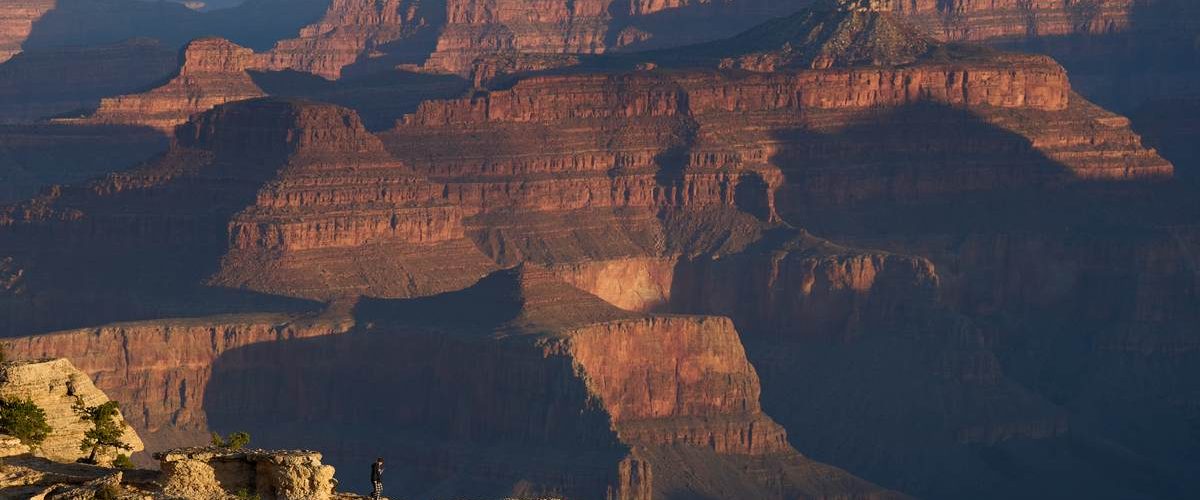
Severe flash flooding ripped through Bright Angel Canyon and the Phantom Ranch area of the Grand Canyon on August 29, leaving one confirmed death, about 15 people believed missing, dozens evacuated, and critical park infrastructure damaged, including a main water pipeline that forced park-wide water restrictions and the suspension of overnight lodging.
Rescue crews and park investigators are searching rugged, damaged terrain after a sudden wall of water surged through inner canyon corridors over the weekend. Officials say nearly all footbridges over Bright Angel Creek were destroyed, cutting off familiar escape routes and complicating both rescue and recovery operations. A 46-year-old Colorado man was found dead, identified only as an unidentified man by authorities, while others remain unaccounted for.
The National Park Service has appealed to the public for help identifying anyone who might have been in the Bright Angel Creek corridor on August 29. “The National Park Service is asking anyone who knows of hikers or backpackers who were in the inner canyon along the Bright Angel Creek corridor on August 29, as well as anyone who had a campground reservation in the affected corridor, to provide information to the National Park Service Investigative Services Branch,” NPS said in a statement. That request underscores how chaotic the situation became once the flood swept away paths and bridges.
Park crews report that at least 62 people were evacuated in the immediate aftermath, with search teams working under difficult conditions to locate those still missing. Pictures and videos emerging from the canyon show destructive floodwaters and torn vegetation, and officials describe the scenes as devastating. The damaged trails and washed-out crossings mean teams must move carefully and often on foot to reach isolated spots.
A separate, urgent problem emerged when floodwaters damaged the Transcanyon Waterline, the main pipeline supplying water to parts of the park. The outage prompted the National Park Service to place the park under Stage 4 water restrictions, effective at noon on the Monday following the flood. Those rules include forced dry camping with no access to water spigots, the temporary closure of overnight lodgings, and a strict no-fire policy for the South Rim and inner canyon zones.
The loss of the pipeline forced park officials to scramble for alternatives while conservation measures took effect across visitor areas. Without reliable water service, lodges and camps that depend on the Transcanyon Waterline could not operate safely, and visitors were asked to follow strict conservation guidelines. Park staff and emergency responders also had to adjust how they support search operations, since water for both people and equipment became a constrained resource.
State and federal agencies coordinated on response and recovery, with Arizona officials confirming they were assisting on the ground. “My heart is with the families and loved ones of every person unaccounted for after the flash flooding at the Grand Canyon. ” said Governor Katie Hobbs in a public message. “DEMA is coordinating with NPS and Coconino County Emergency Management to support search and recovery efforts. ” The governor also thanked first responders working in hazardous conditions to protect communities and aid in rescue efforts.
https://x.com/FoxNews/status/2094427150883414502
Federal investigators are collecting data from campground reservation logs and eyewitness reports to build a clearer picture of who may have been in the impacted corridor that day. Park officials emphasized the importance of any information that could help establish where groups were traveling or camping before the flood arrived. That process aims to narrow search efforts and locate possible survivors or remain sites more efficiently.
Emergency teams face steep cliffs, loose rock, and unstable ground in places where water scoured the canyon walls, making helicopters and foot teams essential but limited options. The rough topography slows movement and places a premium on caution to avoid triggering additional hazards. Despite these obstacles, search and recovery personnel have remained on site, methodically combing areas where visitors were likely to be caught by the sudden flash flood.
Regional emergency managers also warned that heavy summer monsoon rains can produce flash floods in desert environments with little warning, especially in narrow canyon channels. That risk is why the park has long emphasized situational awareness and preparedness for backcountry travel, but the intensity and timing of this event overwhelmed usual safety measures. In light of the damage and ongoing searches, park access restrictions and visitor advisories will likely remain in place until crews can fully assess infrastructure and trail safety.
Outside the immediate rescue and repair work, the event has raised questions about infrastructure resilience and emergency communications in remote park areas. Restoring the Transcanyon Waterline and rebuilding destroyed footbridges will be major undertakings requiring planning, resources, and time. For now, search teams and investigators continue to work under constrained conditions while the park enforces strict water conservation and limits overnight stays to keep visitors and staff safe.

Add comment