
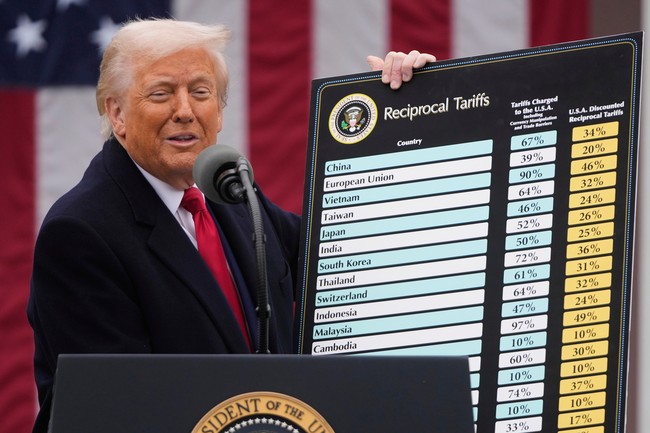
The Supreme Court’s decision that invalidated the administration’s tariffs has kicked off a massive, messy reimbursement process that will touch hundreds of thousands of importers and cost the Treasury billions. This article walks through the practical fallout: how refunds will be handled, who benefits, what businesses are saying, and why ordinary Americans shouldn’t expect a windfall. It also notes the political angle—how the courts have reshaped a major economic tool from the current administration. The outcome is a sprawling bureaucratic effort with big sums moving around and little guaranteed relief for consumers.
The ruling found the use of the International Emergency Economic Powers Act to impose tariffs exceeded presidential authority, which forced the administration into a refund posture. Officials have been preparing systems and guidance to comply, but the scale is what makes this news: hundreds of billions in potential repayments and millions of entries to reexamine. That means plenty of time spent on forms, audits, and recalculations rather than on straightforward policy fights.
The administration had used tariffs as both leverage and revenue, and that dual purpose now complicates the unwind. President Trump called the decision “ridiculous, poorly written, and extraordinarily anti-American decision,” and he vowed to pursue alternative routes to impose levies. Those comments signal the White House sees this as a setback in method, not in intent, and suggests future attempts to craft tariffs that fit legal limits.
On the ground, Customs and Border Protection must process a huge volume of claims through its Automated Commercial Environment portal using a new tool called CAPE. Importers and their brokers will submit declarations listing the entries for which they seek refunds, then CBP will reprice those shipments and reliquidate them. If validated, reliquidation will trigger repayments, but the timeline for complete resolution will be long and uneven.
Reports indicate more than 330,000 importers paid duties on over 53 million shipments, adding up to roughly $166 billion. That number gives a sense of the administrative headache: matching importers to entries, verifying paperwork, sorting out interest calculations, and ensuring settlements are accurate. Expect contested claims, appeals, and plenty of legal bills for companies and the government alike.
U.S. businesses that paid tariffs that the Supreme Court ruled were illegal can start applying for refunds Monday.
Why it matters: The Trump administration’s launch of an online portal for tariff refund applications marks the first phase of its efforts to comply with court orders to reimburse billions of dollars in paid tariffs and interest to importers.
Context: The Supreme Court didn’t address how the government should refund tariffs paid under the International Emergency Economic Powers Act (IEEPA), but the Court of International Trade last month ordered the administration to begin the reimbursements process.
Who will cash those checks? A lot of it will flow back to foreign exporters and U.S. importers, including firms tied to the countries originally targeted by the tariffs. Treasury officials warned the money isn’t simply evaporating: it’s being moved around inside the system to correct an earlier policy error. That political and economic reality fuels frustration on both sides—administration allies who wanted tougher trade tools and critics who argue the initial tariffs were unlawful.
The business reaction is predictable: companies will apply for refunds but most plan to keep the proceeds. Surveys of corporate finance officers show firms see refunds as balance-sheet fixes, not customer rebates, so consumers should not assume lower prices or direct payouts. Corporations will use repayments to shore up margins, pay down debt, or reinvest, not to cut retail prices across the board.
Bessent: Money is not going out of the Treasury. Thanks to the Supreme Court, some of the money is heading to CHINA.
Behind the scenes, this has become another front where unelected judges and administrative systems set major policy outcomes. Courts have blocked or reshaped pieces of the administration’s economic agenda repeatedly, and this decision is the latest example. For a Republican viewpoint, that underscores the importance of building policy that fits within statutory boundaries so futures fights play out in legislatures and not solely in courtrooms.
Meanwhile, ordinary Americans will probably notice little immediate benefit. The reimbursement flow takes time and is focused on importers and trade partners rather than retail consumers. What remains clear is that legal limits on executive action matter, and that fixing the fallout requires patience, focus on process, and, likely, more legal and legislative work ahead.
We have alternatives, great alternatives, could be more money. We’ll take in more money and we’ll be a lot stronger for it.



Add comment