
Chicago Public Schools will hold a full instructional day on May 1 while allowing students to leave campus for organized May Day activities, after the district negotiated a compromise with the Chicago Teachers Union that preserves classroom time for those who remain but opens official channels for civic participation.
The CPS decision keeps staff on the clock and the school calendar unchanged, but it carves out pathways for student participation in May Day events without shutting schools down. Under the agreement, principals can approve school-sponsored activities through the usual field trip process, and existing Illinois law still permits an excused absence for eligible civic events with parental sign-off. That dual approach means classrooms stay functional while pro-activity organizers gain formal options for off-campus involvement.
The deal grew out of a CTU resolution passed in March that demanded more than temporary closures; it sought a full day reserved for “No Work, No School, and No Shopping” aimed at voter outreach, civic training, and protests. The resolution also framed a broader political agenda, including calls to keep ICE out of sanctuary cities and proposals to “tax the rich,” moving the conversation from school logistics into open political advocacy. CTU leadership pushed hard for a complete shutdown, but CPS resisted that course and settled on permitting student departures under controlled conditions.
CTU messaging framed its actions as defensive and urgent. “Public education is facing an unprecedented national assault driven by MAGA politicians, billionaire donors, and corporate interests who seek to privatize our schools, censor educators, ban books, dismantle civil rights protections, criminalize and separate immigrant families, and weaken workers’ unions.” That language shows the union treating schools as an active battleground in a national culture war, rather than a strictly educational institution.
Union leaders also linked the resolution to political goals beyond the classroom. “If we still want to have democracy in the midterms this November … it is up to every Chicagoan to stand up for what we believe in and show the authoritarian billionaire in Washington that when he breaks every rule, we will not go along with business as usual.” That statement turns a local scheduling fight into a national rallying cry and ties union strategy directly to electoral politics.
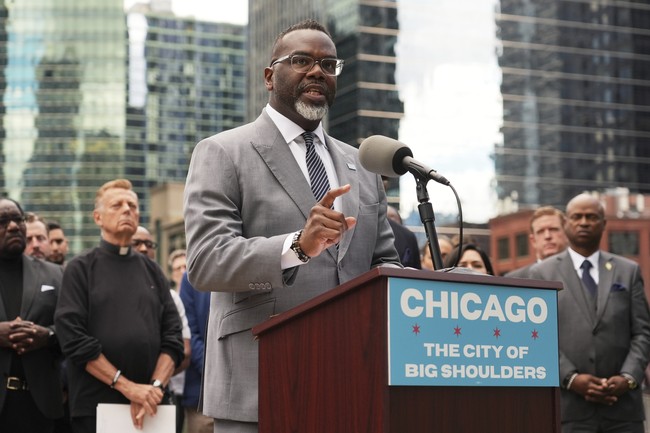
District officials justified the compromise as a way to balance instruction and civic tradition. Dr. Macqueline King, CPS chief executive officer and superintendent, described the arrangement as preserving classroom time while recognizing a local history of civic action. The mayor, a former CTU organizer, echoed that sentiment by encouraging participation and framing the day as solidarity and community resistance to divisive forces.
The practical outcome is straightforward: students have two official routes to leave during school hours for May Day events. They may participate in a principal-approved, school-sponsored activity, or they can be excused under existing law with parental approval for qualifying civic events. Students who do not leave will have a normal school day, so instruction is neither broadly interrupted nor entirely deferred.
Critics argue the compromise effectively endorses politicized activity inside the school day and expands union influence over public education. Supporters counter that allowing structured civic participation respects free speech and Chicago’s labor history, recalling events like the Haymarket Strike and the fight for an eight-hour workday. Those historical references were prominent in official commentary and used to justify May Day framing as part of a longstanding labor tradition.
The arrangement raises questions about boundaries between education and political activism. Parents, educators, and local leaders now must navigate where instruction ends and advocacy begins, and how schools should handle requests for student release on politically charged days. With principals empowered to approve activities and existing excused-absence rules intact, enforcement and consistency will likely determine how the compromise plays out in practice.
For now, CPS has avoided a blanket shutdown while granting formal avenues for student participation in May Day demonstrations. The immediate effect is that classrooms remain open and staff obligations continue, but students who wish to take part in political events during school hours have clear, approved options to do so.

Are these Commies going to allow July 4th walkouts?
Has everyone forgotten the May Day parade in Moscow where the commies show off their military “hardware”. May Day has been a commie day since the revolution brought Lenin and his commies to power through a revolutionary BLOODBATH.
Pay attention America!!