
The Atlantic published a detailed piece accusing FBI Director Kash Patel of drunkenness and poor performance, and Patel responded by filing a lawsuit; this article examines the reporting, the anonymous sourcing, the public denials, and how the outlet’s history and recent edits fit into the broader pattern of media behavior.
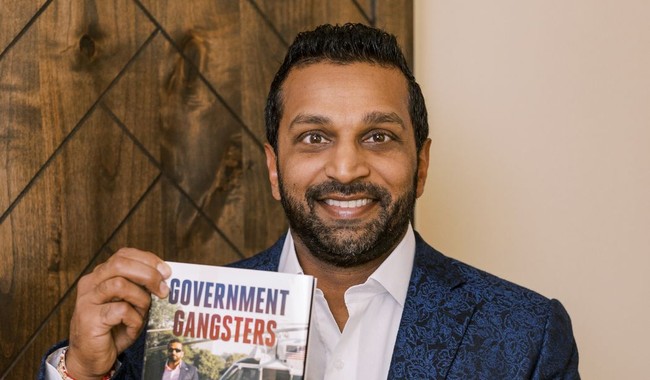
Official word arrived today that a lawsuit against The Atlantic and reporter Sarah Fitzpatrick was filed by FBI Director Kash Patel. The suit follows a long article published on April 17 that asserted Patel’s on-the-job intoxication and widespread morale issues at the Bureau. Patel’s legal action was a promised response and now moves the controversy into the courts instead of just the comment pages.
Fitzpatrick and a coauthor claimed their work relied on “more than two dozen people” who spoke about Patel’s conduct. But those sources are anonymous across the piece, and the identities and positions of these people are never made clear. That raises the obvious question: how do reporters cite over 25 sources and still offer no on-the-record names to back up explosive claims?
The roster of alleged sources in the article ranges from White House contacts to former FBI figures, agency staffers, political operatives, lobbyists, and hospitality workers. Many of those categories are vague by design, and citing hospitality-service staff alongside agency insiders undercuts the piece’s claim to rigorous, high-level sourcing. When serious charges are floated, readers expect more than undisclosed whispers.
Several named officials publicly disputed the reporting. White House Press Secretary Karoline Leavitt rejected the article’s portrayal and highlighted Patel’s record of accomplishments. From the FBI public affairs office, , Erika Knight, , and the man who each pushed back on the story’s claims. Those denials are on the record and contrast with the anonymity of the article’s principal accusers.
Another pattern shows up in how long these kinds of pieces appear to be worked and how short the response window is. Journalists often spend weeks assembling background and unnamed sourcing, then give the subject a brief window to respond—a tactic sometimes called The Deadline Gambit. In this case, sources allege Patel’s camp had only a couple of hours to reply before publication, which makes the fairness of the process questionable.
After Patel’s lawyer warned The Atlantic of impending litigation, portions of the piece were reportedly pulled or changed before publication. That sequence suggests the outlet faced legal pressure and opted to remove or soften certain allegations rather than stand behind every line. Critics say this is not a fluke but a reflection of how risk-averse mainstream outlets can be when faced with credible legal threats.
The reaction from other outlets demonstrates how these stories can spread and multiply. One outlet later reported that Patel’s legal team revealed additional claims beyond those published, and they suggested the lawyer’s letter had put allegedly false statements into public circulation. The more practical reading is that threatened litigation forced edits, and the public airing of the lawyer’s objections prompted follow-up coverage.
Fitzpatrick defended her reporting in an appearance with Jenn Psaki, showing confidence in the process despite the threats of legal action. Questions remain, however, because her article quotes Karoline Leavitt responding in a way that could be interpreted as a refutation, and Patel and his attorney offered blanket denials that contrast sharply with the anonymous accusations. That mix leaves readers balancing named denials against unnamed charges.
It is worth noting The Atlantic’s recent legal history when assessing the piece. Last September the outlet settled a $1 million defamation case with a former writer, a high-profile settlement that drew attention to editorial judgment and fact-checking practices. That context matters when a major story relies heavily on anonymous sourcing and faces immediate legal challenge.
None of this changes the central fact that Patel has filed suit and that the matter will now be litigated rather than simply debated online. The courtroom will test the claims, the sourcing, and whatever evidence the parties present. Until then, readers should keep an eye on how anonymous allegations are weighed against on-the-record denials and what the legal filings reveal as the case unfolds.

Add comment