
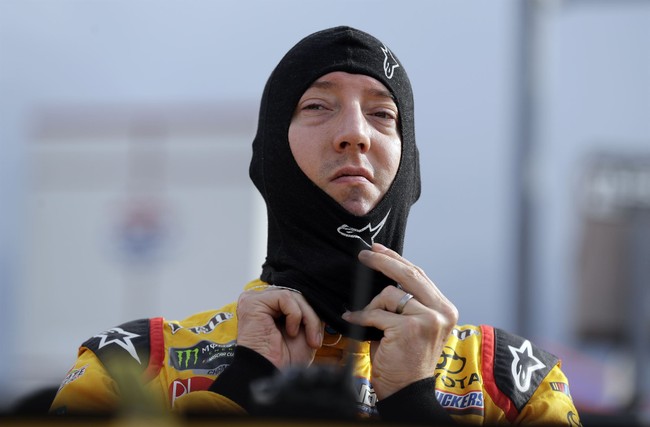
Kyle Busch’s sudden death on May 21, 2026, stunned the racing world and left a strange, hollow silence across paddocks and grandstands. He was a complicated figure: the winningest driver in NASCAR history with 234 victories across the sport’s three major series, a two-time Cup champion in 2015 and 2019, and a polarizing presence who raced on his own terms until the end. This piece looks at why his loss feels so sharp, how he shaped modern NASCAR, and what his absence means for fans, families, and the culture of the sport.
Kyle Busch’s career read like a study in extremes, from early talent to turbulent exits and triumphant returns. He left Hendrick Motorsports after the 2007 season in the wake of his reputation for hotheadedness, then found long-term success with Joe Gibbs Racing before moving to Richard Childress Racing in 2023. Those moves mattered because they charted the arc of a driver who refused to be anything other than himself, even when that made him unpopular.
On the racetrack, Busch chased victory with a relentlessness that made him as feared as he was admired. He amassed 234 wins across NASCAR’s national divisions, a tally that cements him among the sport’s all-time greats. That win-or-nothing approach produced moments of brilliance and controversy in equal measure, and it’s why people still talk about him the way fans talk about the most memorable characters in any sport.
Part of the reaction to Busch’s death comes from the role he played in the emotional landscape of racing fandom. He was often the villain in a story fans love to tell themselves—an antagonist to root against, which in turn heightened the drama when he won. In an era where personalities are often smoothed into corporate-friendly faces, Busch represented a contrast: raw, competitive, and unwilling to play along with the niceties that dilute spectacle.
There was also something oddly comforting in the predictability of Busch’s unpredictability. You never knew whether he would be the headline maker for all the right reasons or all the wrong ones, but you knew he would be in the conversation. That constant presence—rubbing people the wrong way while piling up victories—made him a living touchstone for a certain era of NASCAR when heroes and villains were larger than life.
His death is especially painful for the people who were supposed to be sharing quieter, ordinary moments with him. Samantha Busch and their two children were meant to be at Charlotte Motor Speedway for the Coca-Cola 600 this weekend, where Kyle had 18 wins across NASCAR’s top series at that track. The suddenness of what happened turned plans into mourning and left a family grappling with a violent interruption of normal life.
Fans feel the loss not only because a star is gone but because a specific strand of the sport’s identity has been cut. Busch was one of the last drivers who carried the blunt, uncompromising personality that linked modern NASCAR back to its more visceral decades. With him gone, a chapter that included vivid rivalries and outspoken competitors closes, and many will notice that absence in ways that go beyond ratings or headlines.
Some will argue that NASCAR’s evolution toward a more sanitized, sponsor-friendly presentation would have made Busch an outlier even if he had lived on comfortably into retirement. Yet his presence forced a different dynamic: teams, promoters, and broadcasters had to reckon with a driver who prioritized racing over image. That friction produced memorable moments fans recall long after the checkered flag drops.
The loss also stirs conversations about how the sport protects and supports its people beyond their time on track. Sudden deaths in high-profile roles highlight the networks of family, friends, and professionals who are left to manage grief and practicalities. In Busch’s case, his family, teammates, and rivals will now carry the legacy of a complex, uncompromising competitor whose impact extended far beyond the record book.
For many, the rawness of the reaction comes down to something simple: people loved to hate him, and they loved to watch him win. That uneasy combination made every victory feel bigger and every defeat more dramatic. When that kind of electrical energy leaves a sport, the empty space it creates is visible in more than memorials and headlines; it’s visible in the cadence of race weekends and the memories fans take away.
Kyle Busch’s life and career were messy, brilliant, and, above all, unapologetically competitive. His record—234 wins, Cup championships in 2015 and 2019, and a life spent pushing the limits of car, team, and self—speaks to a driver who demanded to be remembered. The mourning is not just for what he did on track but for the personality he brought to the sport and the way that presence shaped so many people’s experience of NASCAR.



Add comment