
Checklist: Explain the California primary concerns; argue for election integrity legislation; outline the need for a Republican ground-game machine; describe practical elements of a winning playbook; emphasize local engagement and candidate recruitment.
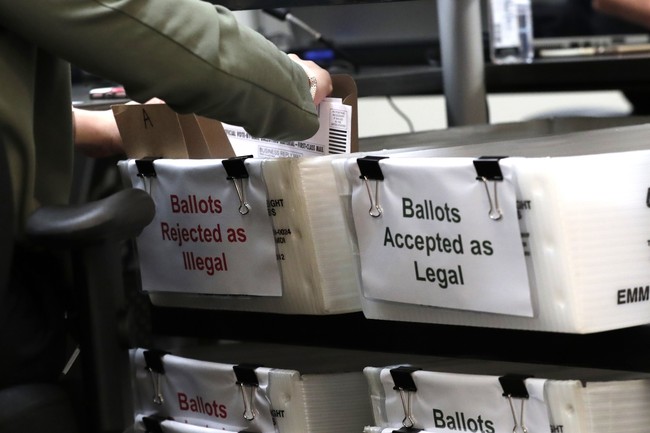
California’s recent primary and the slow, late-night surges in vote counts serve as another wake-up call for anyone serious about fair elections and winning them. Voters watching the L.A. mayoral race saw results shift in ways that raise questions about transparency and the mechanics of modern vote counting. That pattern — delayed tallies, unexplained vote dumps, and frustrated observers — fuels a legitimate push for stronger election safeguards nationwide.
First, election integrity is not optional if we expect our results to matter. Republicans must insist on clear, enforceable reforms that enhance ballot security, chain-of-custody transparency, and auditing standards. The SAVE America Act is an example of the kind of legislation that seeks to address these gaps, and defending such measures should be a priority for those who want trustworthy outcomes.
Beyond laws, there is a separate problem that explains why Republicans repeatedly underperform even when public sentiment favors them. Democrats have built a political machine — a durable system that organizes activists, deploys technology, and sustains year-round voter engagement. That machine turns enthusiasm into votes, and it operates at scale from the smallest town meetings to big-city mayoral fights.
Republicans, by contrast, too often depend on episodic bursts of energy, celebrity consultants, and expensive media buys that produce short-term visibility but little durable voter contact. Mailing lists and TV spots alone do not build relationships or convert occasional support into reliable turnout. Winning requires a systematic, repeatable approach that creates the same on-the-ground presence Democrats use to mobilize voters consistently.
I speak from practice: successful campaigns are built on repetitive, measurable outreach — not hope. Door knocking, phone banking, and targeted voter contact remain the backbone of converting persuasion into votes. My teams’ experience knocking on millions of doors and winning hundreds of races shows that data-driven, disciplined field operations work repeatedly when they are done right.
A winning Republican playbook starts with organization. Recruit local activists and train them to be persistent, not flashy. That means building neighborhood teams assigned to specific blocks, maintaining up-to-date voter contact records, and running continuous outreach campaigns that keep voters connected between elections.
Technology matters, but it should serve organization, not replace it. Adopt straightforward voter databases, analytics, and communications tools that help activists know who to contact and when to follow up. Use tools to scale what works: scripting, targeted messaging, and persistent follow-through that turns soft support into committed votes.
Local recruitment and candidate depth are nonnegotiable. Electing national leaders starts with local officials who build credibility and political muscle. Encourage experienced volunteers to run for school boards, city councils, and county offices; these roles are training grounds that expand the bench and create the network needed for larger campaigns.
Messaging must be realistic and disciplined. Voters respond to clear, tangible promises and consistent follow-up. That requires aligning strategy with what data shows is effective: focused appeals to swing voters, relentless turnout efforts among your base, and tailored communication that addresses local concerns rather than national abstractions.
Organization multiplies every dollar spent on media and consultants. A TV spot reaches people once; a volunteer who knocks on doors repeatedly builds trust. Invest in the human infrastructure that turns exposure into actual votes: trained volunteers, local offices, regular canvass plans, and measurable metrics that track contact-to-vote conversion.
Training and leadership culture matter. Build programs that teach volunteer leaders how to recruit, manage, and retain teams. Encourage veterans of successful ground games to mentor new activists so best practices spread. When field operations are professionalized and scaled, small teams create outsized results.
Finally, accept the hard truth summed up by a trusted mentor: “Align your expectations with reality.” That sentence is a call to stop assuming goodwill and sporadic effort will win the day. If Republicans want to regain ground, we must match the Democrats’ organizational advantage with disciplined legislation, systematic voter contact, and deep local investment in candidates and infrastructure.
The path forward is straightforward: pursue election security laws that restore confidence, then build a durable ground game that turns support into reliable ballots. That combination is the only realistic route to winning more races, protecting policy priorities, and ensuring election outcomes reflect the voters’ intent.



Add comment