
I’ll point out how Vice President Kamala Harris’s remarks in Austria came off as projection, note the contrast between her claims and the Biden-Harris record, preserve her exact quotes, place the embed where it belonged, and argue from a Republican perspective about accountability and memory heading into 2028.
Kamala Harris spoke at the Austrian World Summit and delivered a speech that, from a conservative viewpoint, looked like projection dressed up as moral outrage. She accused others of weaponizing the Department of Justice while standing on a record that critics say shows the Biden administration used federal power in ways that raised partisan concerns. That tension is what people walked away talking about, especially after comments about Gavin Newsom and the DOJ stirred headlines back home.
Harris reacted to Governor Newsom acknowledging a DOJ probe, framing the moment as proof of a pattern she warned about. The reaction was sharp and theatrical, and it included this line delivered in full: “I don’t say I told you so, that’s kind of obnoxious,” she said in an obnoxious manner. “I don’t say that, but the reality is many of us predicted, and it didn’t require much creative thought because he told us most of what we knew would happen, including that he would go after his political enemies using the Department of Justice.”
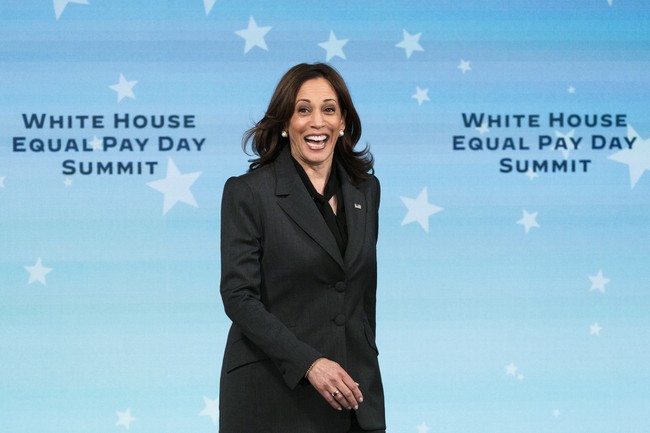
The moment was followed by a clip that drew attention online and in conservative circles. The embed below captures that exchange and the tone that critics describe as performative and self-righteous.
Harris then offered a broader indictment of the prior administration, calling it “the most callous, corrupt, and incompetent presidential administration America’s ever experienced” while predicting a midterm win tied to broad, cross-demographic turnout. Her exact words to the moderator were: “So I am not surprised that he may be using the Department of Justice to go after a political enemy in the current governor of California, and this is why I do believe this, upon many other examples of what is essentially, you’re gonna ask me questions about the current president, I’m gonna be candid, what is essentially the most callous, corrupt, and incompetent presidential administration America’s ever experienced, and for that reason, I have no question or doubt that we will win the midterms, and it will be a result of people of every background and political association who will contribute to that outcome.”
From a Republican perspective, that line reads as rich coming from someone who helped lead a four-year administration encountering serious failures and controversies. Critics point to the chaotic Afghanistan withdrawal that left allies behind and cost American lives as a defining stain. They also note the administration’s immigration policies, which coincided with record illegal crossings and a surge in fentanyl deaths, and argue those outcomes undermine the moral authority of lectures about DOJ politicization.
The list of grievances cited by opponents is lengthy: a withdrawal in Afghanistan with 13 U.S. troops killed, border policies tied to a spike in illegal crossings and opioid flow, inflation that hit families’ savings, and questions about foreign influence involving a president’s son. Conservatives also bring up energy policy changes that critics say ceded leverage to OPEC, pandemic mandates that many viewed as heavy-handed, and episodes involving mishandled classified materials and an unchecked foreign surveillance balloon incident.
All of those criticisms feed into the wider point conservatives make when someone in the Biden-Harris orbit accuses others of abusing federal power. To many voters, it’s a matter of accountability: you cannot assail political opponents for alleged weaponization of agencies while downplaying or dismissing allegations about your own side’s use of power. That disconnect is what opponents call hypocrisy, and they believe it will matter to voters in future elections.
Harris’s performance in Austria looked like a flashpoint for that argument. She delivered broad, sweeping condemnation while standing on a record that, to conservative critics, speaks louder than the words. That disconnect is what fuels the political debate: whether Americans will accept lectures from those tied to an administration with a controversial four-year legacy or demand answers first.
Conservatives say memory matters. When leaders abroad accuse others of corruption and incompetence, voters back home also remember policy outcomes and domestic controversies. The stakes extend beyond a single speech; they reach into how voters evaluate credibility, leadership, and promises heading into future election cycles.


Add comment