
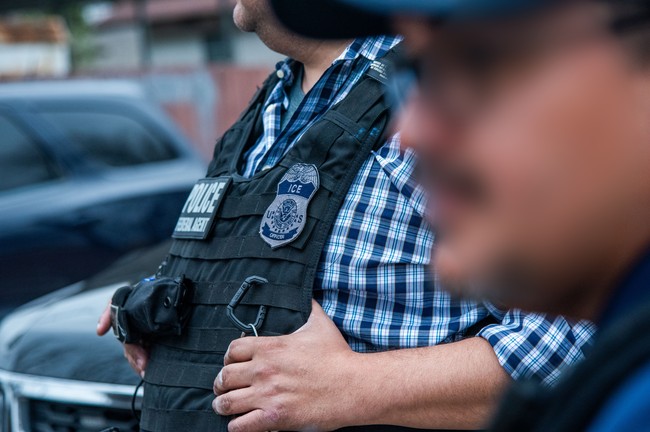
Protesters stormed a Minneapolis church service, accusing a member of being tied to ICE and interrupting worship; the confrontation sparked comparisons to civil rights protests, drew a federal response, and highlighted the tension between public demonstration and private religious practice.
Wild: Anti-ICE Activists Disrupt Church Service Because They Think One of the Pastors Is an ICE Agent
Sunday at Cities Church in Minneapolis turned chaotic when a group of anti-ICE demonstrators entered during worship, certain they had identified someone connected to immigration enforcement. Witnesses describe loud chanting and interruptions that made it impossible for congregants to continue the service. The incident quickly drew national attention and sharp reactions from public figures and legal authorities alike.
Video captured by former CNN anchor Don Lemon shows an aggressive, confrontational crowd pressing into the sanctuary while parishioners tried to pray and the pastor appealed for calm. The protesters chanted “Renee Good” and even shouted “Hands up, don’t shoot!” as they pressed their case in the middle of the service. Lemon framed the demonstration as part of the long arc of protest in America, likening it to moments from the Civil Rights era.
You can hear them chanting “Renee Good” in the background. They even did the oldie “Hands up, don’t shoot!” as they disrupted the congregation and created a scene during a sacred time. The footage shows people refusing to leave even after repeated requests from church leadership, turning a place of worship into a public battleground.
Lemon actually had the gall to compare it to the Civil Rights movement, saying it was about these very types of protests. That comparison prompted immediate pushback from church members and observers who see a sharp contrast between historic civil rights struggles and the targeted harassment of a worship service. Many who witnessed the event say disrupting people who have gathered for prayer crosses a line most Americans expect protestors to respect.
The pastor present at the service tried repeatedly to get the demonstrators to leave, calling the interruption shameful and insisting the congregation deserved the right to worship without interference. Church leaders emphasized that people came to worship, not to become props in a political spectacle, and that religious services should remain protected spaces. As the disturbance continued, members of the congregation expressed fear and anger over the violation of their peaceful assembly.
Supporters of the protesters argued they were exercising constitutionally protected speech and protest rights, with Lemon noting a “First Amendment right to free speech and protest.” That defense clashes with the view of many legal experts and worshippers who point to statutes that protect houses of worship from targeted disruption. The tension between free expression and the rights of congregants to worship in peace is at the center of the legal and moral debate sparked by this event.
Assistant Attorney General Harmeet Dhillon said the Justice Department would examine whether actions at the church violated the FACE Act, calling attention to possible federal implications for “desecrating a house of worship and interfering with Christian worshippers.” This investigation signals that authorities are taking the incident seriously and that legal consequences could follow if the conduct is deemed unlawful. The prospect of federal review has added another layer of scrutiny to both the tactics used and the broader movement that organized the protest.
For many observers, the episode exposed a deeper problem: a movement that claims to defend rights while trampling the rights of others. Protesters who target private moments of worship risk alienating the wider public by demonstrating a willingness to prioritize their demands over the civil liberties of fellow citizens. The result is a narrative that undercuts sympathy for their cause and galvanizes those who defend the sanctity of religious space.
Local residents in Minneapolis responded with unease, noting the broader fallout for community life when protest activity migrates from public squares into houses of worship. Businesses and patrons in the area told neighbors they felt tension rising, and the spectacle prompted renewed conversations about the boundaries of assembly in shared civic spaces. City leaders and law enforcement now face pressure to balance the right to protest with protections for private and religious gatherings.
This confrontation in a Minneapolis church is more than a single headline; it is a flashpoint for competing claims about liberty, privacy, and respect. It raises uncomfortable questions about tactics and targets, and whether a movement gains or loses credibility when it chooses to interrupt sacred practices. As the legal review unfolds, the incident will likely remain a reference point in debates over the limits of protest and the protection of worship.
Add comment