
The piece examines rumors that the Trump administration is preparing stringent diplomatic terms for Iran after recent military pressure, explains how those terms differ from the 2015 JCPOA, and argues that while any deal with Iran raises enforcement doubts, equating these tougher conditions with Obama’s agreement is inaccurate and misleading.
Reports surfaced that U.S. officials are sketching out a set of demands they would like Iran to accept if talks begin, even though no formal contact has occurred. The leaked checklist has six main points, and the chatter around them has ignited a storm of criticism from opponents who insist these are the same concessions made under prior administrations. That claim ignores key differences between a zero-enrichment demand and the specific, limited caps in the earlier deal.
Between the lines: “Our view is we’ve stunted Iran’s growth,” said one U.S. official who believes the Iranians will come to the table. The official said the U.S. wants Iran to make six commitments:
- No missile program for five years.
- Zero uranium enrichment.
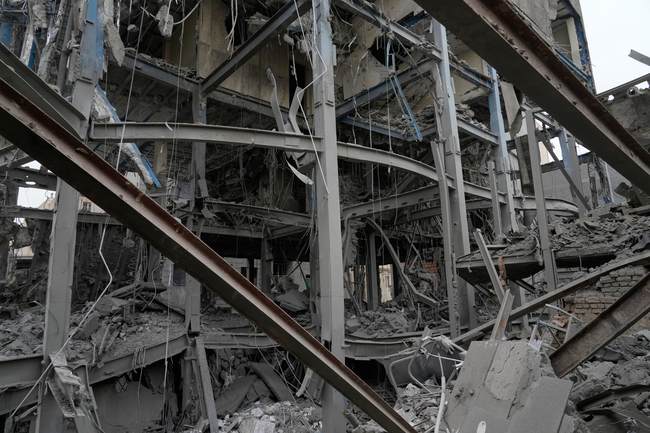
- Decommissioning the Natanz, Isfahan and Fordow nuclear facilities that the U.S. and Israel bombed last year.
- Strict outside observation protocols around the creation and use of centrifuges and related machinery that could advance a nuclear weapons program.
- Arms control treaties with regional countries that include a missile cap no higher than 1,000.
- No financing for proxies such as Hezbollah in Lebanon, the Houthis in Yemen or Hamas in Gaza.
Those six points are stark when compared to the older agreement, which placed time-limited caps on enrichment and stockpiles rather than demanding elimination. For instance, a demand for zero enrichment is a complete prohibition, not a percentage cap for a set number of years. Similarly, calling for the decommissioning of specific facilities goes beyond simply placing limits on activity at those sites.
Critics on the left insist these conditions mirror promises from 2015 and call any new negotiating posture redundant or deceitful. But the prior deal allowed enrichment up to a fixed level and permitted continued operation at some sites under restrictions, so treating the two as identical is misleading. Democrats who equate tougher, unilateral demands with the earlier, negotiated caps are glossing over those practical distinctions.
Enforcement remains the central problem with any arrangement involving Iran. No agreement survives long without credible verification and the ability to impose consequences for cheating. The proposed emphasis on strict outside observation acknowledges that reality, but whether observation alone deters serious violations is an open question.
Past experience shows that inspectors and written protocols are necessary but not sufficient; real compliance often requires the credible threat of force or very aggressive inspections authorities. The skeptics who say monitoring will solve everything seem not to remember how the previous enforcement architecture failed to prevent rapid advances in Iran’s capability. That institutional memory matters when weighing new proposals versus recycled promises.
Another substantive difference is the missile question. The older agreement did not bar ballistic missile development in the same way; it eased certain sanctions related to missile activity and did not lock in a hard cap on existing stockpiles. A negotiated regional arms-control arrangement with explicit missile ceilings would be a far more ambitious outcome than what was in place before.
Limiting Iran’s financing of proxies is also a major shift. The earlier framework did not deny Tehran the ability to fund allied militias and proxies across the region the way the new checklist proposes. Asking Tehran to cut off support for groups in Lebanon, Yemen and Gaza confronts the regime’s power projection strategy head on, and that kind of demand is no small thing to extract in a diplomatic setting.
There’s a political angle to the uproar as well. Some opponents treat any negotiation under a Republican president as capitulation, regardless of content or terms. Others prefer the old deal’s appearance of stability and international consensus, even if its practical limits left room for rapid Iranian breakouts when enforcement faded.
From this vantage point, negotiating with Iran on harder terms is risky and imperfect, but not identical to earlier policies many of the same critics praise. The distinction is meaningful: a demand for zero enrichment, decommissioning of facilities, regional missile caps, and ending proxy funding is a qualitatively different set of edges than the 2015 caps and timelines.
Reality will come down to leverage and follow-through. If the U.S. and partners can sustain pressure, verify compliance, and be prepared to respond to violations, tougher terms could curb Tehran’s ambitions. If they cannot, promises on paper will once again prove fragile when faced with a determined adversary.


Add comment