
Quick take: this dispatch walks through today’s top political hits, Capitol activity and court notes, highlights a White House line about keeping options open, and drops a few lighter moments — all from a conservative perspective focused on practical leadership and national priorities.
Wednesday, March 11, 2026. Morning briefs matter because the fast news cycle rewards attention to what moves policy and public opinion. This edition cuts through the noise to point out where Republicans should be watching and what the White House is emphasizing today.
Top headlines around the conservative press show a pattern: businesses voting with their feet on hostile state policies, media missteps fueling outrage, and political figures facing escalating threats. Headlines include an energy giant relocating over unfriendly state rules and questions about big media’s handling of a security incident. These stories underscore how policy choices ripple into business decisions and public trust.
Another theme is safety and accountability. Reports about a public figure being moved to a protected location after threats illustrate a disturbing trend of political harassment aimed at officials and their families. This raises questions about how society protects civic participation without enabling intimidation.
On the Hill, the Senate’s calendar is packed with practical hearings on infrastructure, the small business economy, fiscal projections, and foreign-supply vulnerabilities. Committees are examining vehicle manufacturer rules for cold-weather operations, Main Street business trends in the pet industry, long-range budget forecasts, and supply-chain risk tied to China and pharmaceuticals.
Senate activity this week also included confirmation and procedural votes that advanced key nominations and legislative debate. One confirmed nominee was elevated to a four-star rank in the Army, underscoring the Senate’s role in maintaining military leadership. The chamber continues consideration of H.R. 6644, with the potential for final passage as debate resumes.
White House movements have a clear political angle: the President is on the road, visiting industry and engaging local media to highlight manufacturing and technology investments. The schedule features a mix of executive time, site visits to private-sector companies, and media appearances designed to sell a message of economic growth and American industry revival.
Administration personnel updates included an announcement about the FBI updating its Ten Most Wanted list after apprehensions of several previously listed fugitives. That development was framed as an operational success and a reassurance that law enforcement priorities are being enforced.
The courts offered a notable decision from the 9th Circuit in an immigration-detention matter where the appellate court granted an administrative stay. That procedural win gives the administration time to defend its policy while litigation proceeds. Such rulings can shape practical enforcement and the timeline for higher-court review.
Looking ahead, the Supreme Court will return to oral arguments later this month, and observers should expect more opinions to drop in the interim. High court timing often affects litigation strategy across federal agencies and state-level legal fights, so practitioners and policymakers will be watching closely.
MORNING MUSING
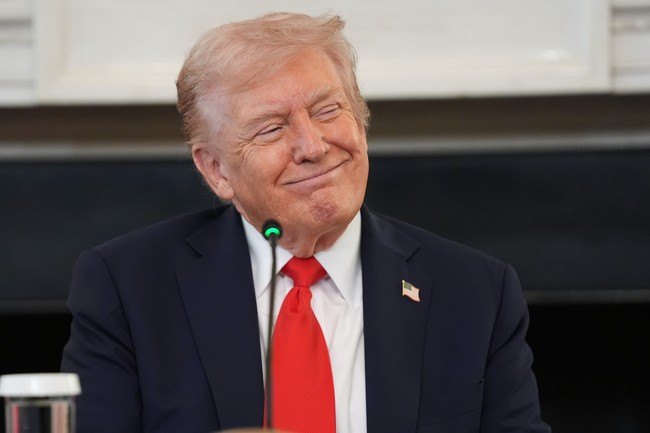
White House Press Secretary Karoline Leavitt answered a question on national security bluntly: “President Trump wisely does not remove options off the table.” That line sparked predictable outrage from opponents who painted restraint as ambiguity. From a conservative vantage point, keeping diplomatic and military options available is a strategic necessity rather than a provocation.
The predictable media reaction framed the statement as evidence of indecision, but longtime observers of the President know differently. Practical politics and deterrence both benefit when a leader preserves flexibility to respond to changing threats and negotiate from strength.
I confessed on a morning show that I had never read The Art of the Deal, then joked that it likely endorses keeping options open as a negotiating posture. A friend later confirmed that the book does discuss that approach, but the point is political: leaders who refuse to be boxed in gain leverage.
That posture isn’t about brinkmanship for its own sake; it’s about retaining the means to protect American interests and to bargain effectively for better outcomes. Critics can scream about hypotheticals, but responsible governance requires the ability to respond to real-world threats, not to precommit to constraints that opponents will exploit.
On a lighter note, the newsletter’s cultural beats included some playful items that broke the tension: an irreverent meme from international theatrics and an image of a small donkey offering a moment of levity. Those bits remind readers that even heavy news days include chances to breathe and chuckle.
Little donkey ‘ around…


Add comment