
The Supreme Court is weighing a case that could change birthright citizenship rules after data show roughly 320,000 children were born in the U.S. in 2023 to mothers who were either in the country illegally or on temporary legal status, and policy and legal arguments now focus on whether those children should automatically receive U.S. citizenship under the long-standing interpretation of the 14th Amendment.
The numbers are stark: about 320,000 births in 2023 fit the description, roughly 9 percent of recorded births that year, with roughly 260,000 of those falling into the category that would be affected by President Trump’s executive order. The case, Trump v. Barbara, challenges the modern reading of the 14th Amendment and asks whether automatic citizenship at birth applies to children whose parents are neither citizens nor lawful permanent residents.
President Trump signed an executive order on his first day back in office to restrict birthright citizenship so it applies only when at least one parent is a U.S. citizen or a lawful permanent resident. Lower courts have blocked that order so far, but the Supreme Court took the case and heard arguments recently, making this a live constitutional fight with immediate policy implications. If the Court upholds the order, the change would take effect quickly and reshape how birthright citizenship operates in practice.
Pew Research Center numbers show a clear upward trend in births to mothers who are unauthorized or have temporary legal status, with three straight years of increases as the population in those categories grew. The 2023 total is the highest since 2010, when about 325,000 similar births were recorded, and policymakers on the right argue that the pattern reflects a predictable response to current rules that grant citizenship automatically at birth.
“Under the current erroneous birthright citizenship interpretation, these children automatically become citizens and unlock food stamps, welfare, specialized schooling for English education, and eventually college aid,” said Brandy Perez Carbaugh of the Heritage Foundation.
That statement captures the core conservative concern: automatic citizenship creates incentives that go beyond legal status, touching welfare, education, and long-term fiscal burdens. Opponents argue the 14th Amendment was intended to secure citizenship for freed slaves after the Civil War, not to create a blanket policy that effectively grants citizenship to children born to noncitizen parents who happen to give birth on U.S. soil.
“High volumes of illegal and temporary aliens are having children in the U.S. because they are exploiting the decades-old erroneous interpretation that such children are U.S. citizens,” Carbaugh added.
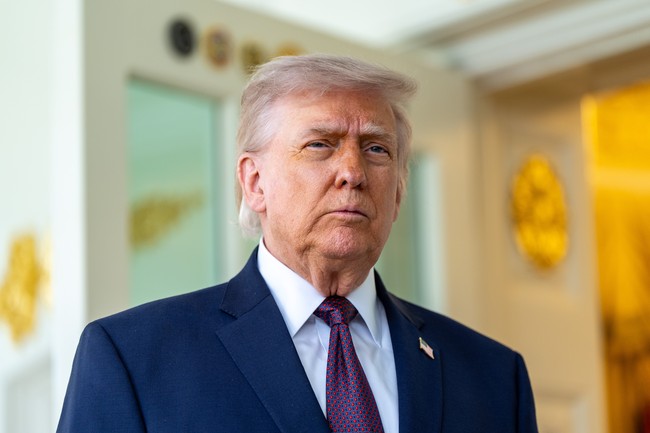
The political theater has been intense. President Trump attended oral arguments in person, the first sitting president on record to do so for a Supreme Court hearing, and he explained his long-standing interest in resolving the issue. “I’m going, because I have listened to this argument for so long,” he said before the hearing, underscoring how central the question has been to his immigration platform.
Critics on the left accused the president of trying to intimidate the judiciary by attending, while supporters saw his presence as appropriate engagement on a policy that directly affects sovereignty, borders, and public resources. The dispute is fundamentally about constitutional interpretation versus modern administrative practice, and whether courts will defer to long-established readings or return to a narrower, originalist view of the amendment.
Practically speaking, nearly one in ten births in the U.S. is now part of the category at issue, and that share has risen each year as migration patterns and temporary-authorized populations have changed. The policy stakes are high: uphold the current interpretation and the status quo remains; reject it and automatic citizenship at birth for children of noncitizen, nonresident parents would end, reshaping the incentives that surround migration and childbirth decisions.
The legal question centers on how to read the phrase that has been taken to confer citizenship on “all persons born or naturalized in the United States.” Conservatives pressing the challenge argue that phrase was never meant to cover children born here to parents with no legal status and that a correct reading aligns with the amendment’s original purpose. The Court’s ruling will decide whether decades of practice stand or whether a new constitutional interpretation will guide policy going forward.
Whatever the outcome, the decision will have immediate, measurable consequences for families, immigration enforcement, and public budgeting. The justices are weighing whether to preserve the expansive interpretation that has been accepted for generations or to adopt a constricted reading that would transform one of the most debated elements of American immigration law.

Home-based job that pays more than 12,000 Dollar per month by doing simple tasks on a laptop or mobile device part-time. Last month, I earned 24,863 Dollar from this job by working 4 hours per day online. Very simple jobs to do, and the earnings are insane. Everyone can now make more money online by joining the website listed below…..
𝒋𝒖𝒔𝒕 𝒖𝒔𝒊𝒏𝒈 𝒕𝒉𝒊𝒔 𝒔𝒊𝒕𝒆.. Www.FindJobs1.Site