
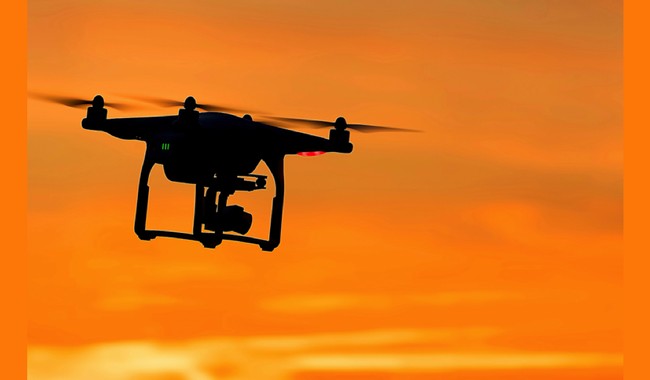
This article looks at a new rifle-mounted laser system designed to stop drones, describes how it works, considers its fit for infantry use, and weighs its place in the ongoing technological back-and-forth of modern warfare.
Weapons and defenses have always leapfrogged one another, and drones are the latest example of a technology forcing new counters. Armies that adapt fastest gain an edge, and a portable counter-drone laser could be one such advantage on the battlefield. This piece examines the device’s capabilities, likely deployment, and implications for soldiers who will carry and use it.
Drones changed how conflicts are fought, from reconnaissance to precision strikes, and they have forced militaries to rethink small-unit air defense. A new portable laser system promises a non-kinetic option that can be brought to the squad level, offering an on-demand way to neutralize threats without expending ammunition or collateral damage. If it delivers on its promises, it could give frontline troops a powerful tool against swarming cheap drones and suicide UAVs.
A new chapter in counter-drone defense begins as Nuburu’s Lyocon subsidiary completes initial trials of a next-gen, portable non-kinetic laser system built to hunt drones in contested airspace.
Designed for rapid deployment, the lightweight weapon can be mounted on rifles, letting soldiers carry and aim it with minimal effort in the field.
It leverages a multi-wavelength directed-energy setup and operates across green, blue, and infrared laser bands to disrupt a wide range of drone types.
The system’s designers stress portability and versatility, aiming to put directed energy into the hands of ground units rather than keeping it stuck on vehicles or fixed sites. That matters because most drone threats that frustrate infantry are small, mobile, and fleeting—exactly the kind of target a soldier needs a quick, precise response to handle. Shrinking the tech down to man-portable size is the core innovation here.
Size and weight determine whether a kit actually reaches the grunts, and the available details emphasize a light footprint suitable for squad or platoon issue. It won’t be a heavy vehicle-mounted monster, nor will it likely replace heavier engagements; instead, it’s meant to fill a niche where speed, precision, and low logistics impact matter. Soldiers already carry lots of gear, so anything issued must be genuinely man-portable.
On performance, the system reportedly uses scalable optical power and advanced beam control to focus energy onto small airframes. Controlled beam divergence and dynamic regulation are meant to keep the laser effective across ranges and in varying conditions, which is crucial when you face evasive or armored drones. The technical claims sound promising, but battlefield conditions will be the true test.
Its versatility is supported by scalable optical power, from 1 to 10 watts, paired with advanced beam control that allows operators to precisely direct energy at targets.
Adjustable beam divergence ensures effectiveness at short and long ranges, while dynamic beam regulation and precision collimation keep the laser focused and reliable in changing conditions.
“Counter-drone protection has become one of the most urgent priorities for defense forces,” Nuburu Chief Executive Officer Dario Barisoni said, adding that the new system is capable of safeguarding personnel, vehicles, and critical infrastructure from evolving drone threats.
There’s a practical side here: even a powerful-sounding laser has limits. Atmospheric conditions, obscurants, and countermeasures can blunt its effectiveness, and hardened drone designs will eventually force upgrades. Still, a low-collateral, reusable option that can be directed by a soldier in the field changes tactical calculations in favor of defenders confronting asymmetric aerial threats.
From a soldier’s perspective, using a laser to stop a drone is exactly the sort of capability that boosts morale and effectiveness. It keeps engagement close to the unit, reduces dependency on higher-echelon assets, and offers an immediate response to proximate threats. That empowerment of small units aligns with conservative principles of decentralized, resilient force structure and giving the warfighter tools to win at the point of contact.
Expect an iterative process: adversaries will react with tougher drones or counter-laser tactics, and defenders will respond in turn with more power, better beam control, or integration into combined arms. That arms-race dynamic has always driven military innovation, and directed energy is likely to be a key front in the coming rounds. The key is rapid fielding, realistic testing, and trusting combat units to refine how the gear is used.
For now, a man-portable directed-energy option looks like a practical addition to the modern infantry toolkit, especially against expendable, cheap drones meant to harass or strike ground forces. It won’t be the last word in air defense, but it could be a valuable, immediate capability that keeps troops safer and gives commanders more flexible responses on the ground.
Getting this technology into units and in the hands of trained operators will determine how much difference it makes, and that requires leadership willing to prioritize rapid acquisition and field feedback. When soldiers get what they need to stay alive and dominate the local fight, doctrine and tactics follow. For those reasons, directed-energy rifle mounts are worth watching as they move from trials into real-world use.



Add comment