
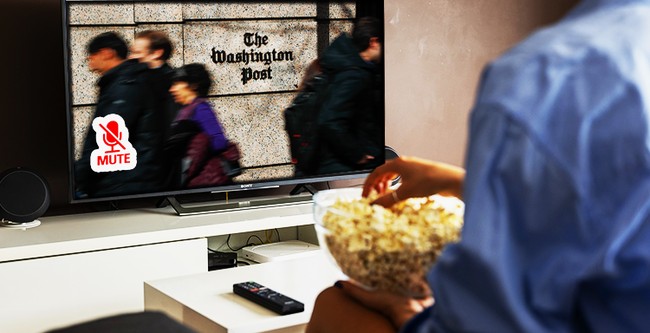
The media’s credibility is fraying, and a recent spat over Pentagon press access highlights that fracture: reporters angrily claim restrictions, a major paper reports on the move while having cut its own photo staff, and a disputed quote exchange exposes sloppy sourcing.
The national press corps has had a chaotic start to 2026, marked by mistakes and misplaced priorities. We’ve seen bad reporting around Epic Fury and Iran, confusion about a New York bombing, and awkward coverage of travel disruptions. These episodes underline a broader problem: outlets chasing narratives instead of facts.
Against that backdrop, the feud over Pentagon press access erupted again when the department issued clearer rules about who may enter certain areas. Many reporters protested, claiming limits on access that they say undermined transparency. The reaction suggested more theater than substance, since some journalists admitted they had not previously enjoyed unfettered floor access.
A recent press conference about Iranian activity and Epic Fury became a flashpoint for that debate, with some outlets insisting reporters were largely barred. The room, however, appeared full of journalists from many organizations. The complaints ring hollow coming from people who last year applauded reporters who handed in badges in protest of the new rules.
More recently, the Pentagon announced photographers would not be allowed into briefings, a decision that one major newspaper reported was because recent images were “unflattering.” That paper cited “two people familiar with the decision who spoke on the condition of anonymity out of fear of retaliation.” The anonymous-source model has grown familiar: it lets outlets publish a dramatic claim while avoiding accountability for verification.
The reporting on the photographer ban failed to reckon with an inconvenient fact: the paper doing the complaining no longer employs a dedicated photojournalism staff. A massive staff reduction removed one-third of that outlet’s workforce, including the entire photo team. That reality matters: it undermines the argument that the paper speaks for photojournalists broadly when it lacks its own in-house photographers.
The Pentagon clarified its position: outlets could designate one representative for pool photography, and those images would be shared, while individual organizations could apply for credentials if they wanted a personal photographer present. That approach preserves a controlled, equitable system for imagery while still offering options for outlets that want broader access.
In the same report, a media reporter wrote that “White House principal deputy press secretary Anna Kelly declined to comment on Hegseth’s decision to shut out reporters.” That turned out to be false. Kelly later posted that she had responded and urged the reporter to use her full reply, asking, “Didn’t the Washington Post just fire all of its White House photographers?”
That exact exchange reveals two problems: sloppy sourcing and narrative-first reporting. When journalists publish a claim about someone declining to comment, and that person promptly provides a rebuttal, the original story looks careless. Worse, the failure to include the response suggests an editorial choice to avoid a line that weakens the intended storyline.
The bigger picture is how the press frames its own hardships. Some outlets posture as defenders of access and transparency while they cut staffing that made that defense possible. Others lean hard on anonymous sourcing to create drama, then dodge scrutiny when the named parties respond. This pattern sows cynicism among the public and feeds distrust.
For readers paying attention, the photographer dispute is a small indicator of larger trends: elite newsrooms trimming resources, reporters wielding anonymity for effect, and institutions imposing practical, managed rules for media presence. Those shifts deserve scrutiny, even if the headlines make them seem like mere skirmishes.
At its core, the episode exposes how a mixture of newsroom downsizing and competitive sensationalism can produce weak reporting. When outlets lack the staff to cover their own claims properly, and when sources remain anonymous by default, accuracy often gives way to momentum. That is why specific episodes like the Pentagon photographer decision matter beyond the immediate policy change.
Add comment