
The Michigan Senate primary delivered a startling result that could hand Republicans an opening in 2026, and shifting dynamics in Alaska, Maine, Texas, and Michigan make the map more favorable to GOP holdouts than many expected. This piece walks through key statewide races, fundraising, polling signals, and the vulnerabilities Democrats now carry into the fall campaign, including the fallout from nomination choices and how they could change control of the Senate.
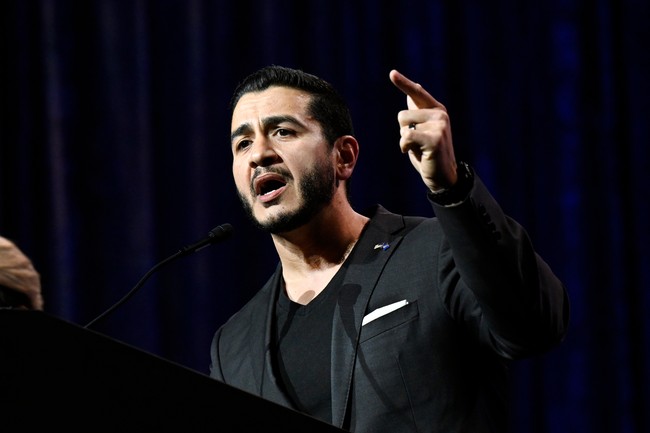
Michigan voters picked Abdul El-Sayed as the Democratic Senate nominee, a choice that many on the right see as a serious liability for Democrats in a competitive state. El-Sayed’s record and public statements create multiple lines of attack for a Republican opponent, and those vulnerabilities matter because Michigan is a must-hold target for Democrats. Polling averages show only a razor-thin gap, but raw negatives can swing tight contests.
Right now the Senate balance favors Republicans, who hold a 53-to-47 majority, and Democrats need a net pickup of four seats to wrest control. Only a handful of GOP-held seats are genuinely competitive, and most Republican seats up for grabs this cycle are in states President Trump carried by comfortable margins. It is rare for either party to flip double-digit Trump states, and modern history offers few precedents for dramatic swings into those kinds of territories, which leaves Democrats chasing narrow paths to a majority.
State-level shifts also matter: Democrats picked up in Virginia last year but still struggle to carry many of the same districts Trump won by large margins. That contrast underscores how localized political realities blunt national narratives and why uniform “wave” expectations can collapse when candidates with weak appeal headline slates.
Money and organization will be decisive in many contests, and Republicans expect to enter the fall with a financial edge bolstered by big donors who have recently signaled they will support GOP efforts. Billion-dollar-scale contributions can be decisive, but aggressive Democratic fundraisers remain competitive in key states. Outside money and high-dollar backers will shape advertising, field operations, and the ability to define nominees early in the campaign.
Alaska’s race is messy and emblematic of the unpredictability this cycle offers, where ranked-choice rules and tactical ballot moves have injected chaos. Incumbent Republican Sen. Dan Sullivan faces former Democrat Rep. Mary Peltola, and the contest is tight in independent averages. The presence of multiple minor candidates and heavy outside spending by PACs on both sides has turned Alaska into a test of whether strategic ballot engineering can tilt outcomes.
https://x.com/JustR_02/status/2078823429998801397
Maine presents its own drama after a major Democratic collapse in the primary field, forcing the party to pick a replacement nominee under difficult circumstances. Susan Collins has maintained a massive fundraising advantage and broad name recognition, while the Democratic replacement faces questions about temperament, ideological shifts, and even ballot eligibility concerns tied to state laws. Those complications give Collins a practical path to hold onto her seat despite a competitive environment.
In Michigan, the Democratic nominee’s progressive profile raises doubts about the general election math, particularly in suburban and moderate districts where swing voters matter. The GOP nominee in Michigan has been building a financial lead and preparing to target El-Sayed’s policy positions and past public comments that are unpopular with many Mainstream Democrats and independents. Jewish voters, moderate Democrats, and swing suburbanites could be decisive if they shift toward the Republican candidate.
Texas adds yet another twist with a bruising Republican primary that ousted an incumbent senator and produced a nominee who has to unify the party this fall. The Democratic challenger is a formidable fundraiser and has narrowed some polls, but Texas polls often understate conservative turnout and enthusiasm. Many Republicans who initially backed the ousted senator may eventually consolidate around the nominee, making a Democratic pickup an uphill climb despite the challenger’s cash and media presence.
Across these battlegrounds, a few consistent themes emerge: candidate quality matters, outside money reshapes the map, and localized controversies can undo broad expectations. Where Democrats nominate polarizing figures or stumble through messy conventions, Republicans can focus messaging on stability, economic competence, and national security themes that resonate with persuadable voters. That combination could preserve GOP control of key races and complicate Democratic hopes of flipping the Senate.
“SEE ALSO: ” The linked context has been removed.
Editor’s Note: The 2026 Midterms will determine the fate of President Trump’s America First agenda. Republicans must maintain control of both chambers of Congress.



Add comment