
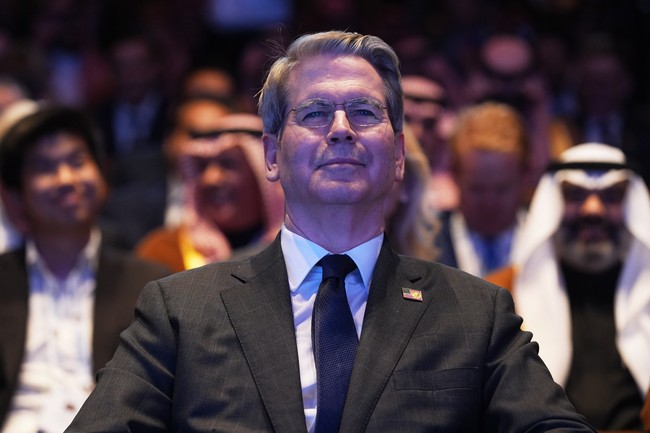
Iranian Leader Ghalibaf Tries a Desperate Bluster, Gets Decimated by Bessent
The Iranian leadership is visibly strained as sanctions, naval interdictions, and economic collapse bite hard, and American pressure is being openly touted by U.S. officials. Parliament Speaker Mohammad Bagher Ghalibaf’s bluster reads like a man trying to convince himself a strategy still exists while the regime’s finances and popular support crumble. Treasury Secretary Scott Bessent is laying it out plainly: the administration is pushing secondary sanctions and targeting assets tied to the regime. That contrast between rage and real leverage is the story here.
The Iranian economy is showing clear signs of unraveling, and ordinary people are feeling it in ways a regime can only paper over with rhetoric. Inflation has surged, currency values have crashed, and job losses from the conflict and logistics disruptions are hitting families’ wallets. When leaders start loudly dismissing the impact, it’s usually because they know the pressure is real and growing. The public statements from Iranian officials are proof the squeeze is working even if they try to spin it otherwise.
Now, Iran is struggling to ship oil and other commodities that generated most of its revenue, shipping records show. As recently as March, Iran exported 1.85 million barrels of crude oil a day, worth $191 million at international prices. There is no evidence any Iranian oil cargo has breached the U.S. blockade and reached Chinese customers or other buyers, said Homayoun Falakshahi, a senior oil analyst at the commodities-data company Kpler.
When you watch a government shift from confident posturing to frantic damage control, you can read the scorecard yourself. Essential revenue streams like oil exports are being monitored, disrupted, and in many cases frozen out of global markets. Officials who once bragged about hidden funds and offshore accounts now scramble to explain rising shortages and falling imports. That kind of reversal undercuts both the regime’s domestic narrative and its regional influence.
The human toll is sharp and measurable: unemployment spikes, rising food costs, and a currency in free fall. People who counted on subsidized staples now face prices they simply cannot afford on minimum wages that remain paltry. That disconnect between government promises and lived reality is contagious in the wrong way for Tehran; it erodes the loyalty the regime relies on to stay in power. Those domestic fractures are the most useful leverage the U.S. and its partners can exploit.
Ghalibaf’s tone—loud, dismissive, and defensive—signals a government on the ropes attempting to rally itself with bravado rather than solutions. When a senior official’s answer to pain is to tell citizens “it doesn’t matter,” it proves the pain exists and the leadership is losing credibility. The bluster is a familiar authoritarian reflex: shout down the facts until the crowd stops listening. But shouting doesn’t refill bank accounts or reopen shipping lanes.
3 days in, no well exploded.We could extend to 30 and livestream the well here. That was the kind of junk advice the US admin gets from people like Bessent who also push the blockade theory and cranked oil up to $120+. Next stop:140. The issue isn’t the theory, it’s the mindset.
Hardliners and IRGC-aligned politicians try to paint any policy that hurts the regime’s revenues as catastrophic for Iran, but that rhetoric often masks panic. Officials like Mohsen Rezaee and others use anger and conspiracy to distract from real failings: lost exports, frozen assets, and supply chain breakdowns. The regime’s internal debate now looks like a side show while the real story is the systematic erosion of its ability to fund operations and sustain its patronage networks. Pressure works when it targets both the money and the narrative that money buys.
Leaders who once relied on quiet bank accounts and foreign investments are now watching those channels get closed. Announcements about conserving electricity or tightening belts are thin cover for deeper problems: shrinking reserves, isolated financial relationships, and fewer buyers willing to risk secondary sanctions. The public sees the shortages and the leadership’s impotence, and that perception matters far more than any official spin. When survival becomes the central concern, ideological bravado is a poor currency.
U.S. Central Command has publicly described its efforts to interdict shipments and halt revenue flows that once sustained Tehran’s operations. Those interdictions and the threat of secondary sanctions are tools the administration says it will keep using until the regime’s behavior aligns with international norms. That approach forces Tehran to choose between expensive confrontation or painful retreat from its current policies. For American strategists, combining military interdiction with financial pressure is precisely the lever that produces results without a full-scale ground commitment.
Ghalibaf’s attempts at bluster won’t fix sinking export numbers or frozen accounts, and that is why officials like Bessent speak in terms of action rather than slogans. The administration’s message is straightforward: we will follow the money and deny the regime the resources it needs. That is a strategy Republicans can endorse because it uses American leverage to protect interests and pressure bad actors without committing to endless entanglement. When pressure meets policy, outcomes follow.
The Treasury’s public posture makes an unmistakable claim: targeted financial measures, coupled with vigorous enforcement, are closing off escape routes. When an adversary’s luxury villas and offshore accounts get mentioned by name, the political and practical implications are severe. It sends a message to global financial institutions and partner states that tolerating the regime’s financing will come with real costs. That credibility is central to sustaining long-term pressure and changing behavior.
“We are sprinting for the finish line. President Trump told me three weeks ago to up the pressure again and we have gone to the buyers of Iranian oil and told them that we are willing to do secondary sanctions on your industries, on your banks, who tolerate Iranian oil in their system!”
“One of the big mistakes out of many that the Iranian leadership made was bombing their GCC counterparts because for years we had heard that there was no IRGC money in their bank accounts.”
“Now they’ve become more transparent and we are freezing those bank accounts for the Iranian people. And we can see that every day it is more pressure on the regime, the retirement funds that they thought that they had outside of Iran.”
“We are freezing. We’re holding those for the Iranian people. Same with all their villas in the south of France and all over the world.”
“And we are going to track them down and we are going to continue the economic pressure as well as the block on the Strait of Hormuz!”
Their bluster doesn’t change the facts: revenues are down, assets are being targeted, and everyday Iranians are paying the price. That gap between state talk and lived reality is a vulnerability Washington can and should exploit to achieve policy goals. Keeping pressure focused, credible, and enforceable maximizes leverage while minimizing the need for larger commitments. In the end, actions—not words—will determine whether the regime adapts or continues to unravel.

Add comment