
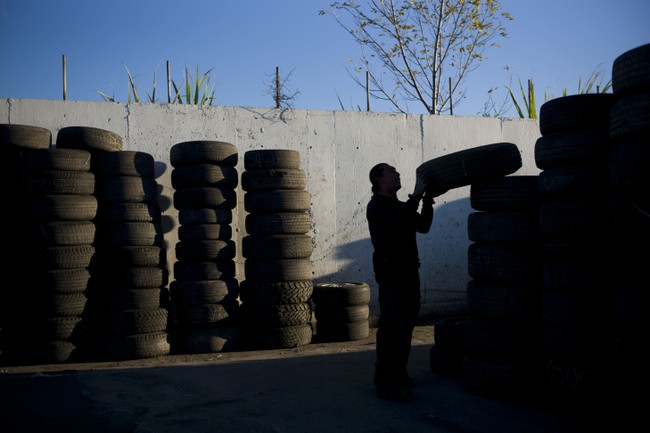
The California Energy Commission’s new tire rules, announced August 19, have sparked a fierce backlash from industry leaders and critics who say the regulations will limit consumer choice, raise prices dramatically, and may even compromise safety. Tire industry executives warn that as much as 70 percent of current replacement tires could be barred, average prices could jump from about $81 to as much as $157, and the promised fuel savings are speculative at best. State officials insist the changes target rolling resistance to reduce energy use, but opponents argue the policy reflects a broader push that punishes drivers and strips away everyday choices. The debate has turned pointed, featuring blunt comments from a tire CEO, colorful takes from public figures, and sharp questions about who should set standards that affect families’ budgets.
California regulators framed the changes as a way to reduce the energy needed to keep tires rolling, pitching it as a consumer benefit. Skeptics say that sounds noble but the outcomes will be costly for average people who already face high living expenses in the state. Critics note the Commission’s move could force buyers into higher-priced tires or limit availability of budget options people choose for practical reasons. The concern is that those who can least afford it will bear the brunt of a rule designed without full consideration of real-world impacts.
Darren Thomas, CEO of Dunlop Tires North America and a veteran in the business, spoke plainly at a press conference and questioned the competence behind the rulemaking. He said, “Generally when you attempt to regulate something you don’t understand or don’t care much about, you create bad policy and that’s probably what we have here.” His warning was direct and framed the new requirements as the product of well-intentioned but ill-informed officials. Thomas also predicted price effects plainly, saying, “Will prices increase? You bet they’ll increase. It’s going to be a real issue, in terms of cost, it’s going to go up.”
Watch:
Industry estimates are stark. The Tire Industry Association projects the average replacement tire price could rise from about $81 to up to $157, and replacing all four tires could become a serious expense for many households. Tire makers also point out simple actions like keeping tires properly inflated can improve efficiency without sweeping mandates. Those practical fixes highlight the gap between targeted, low-cost solutions and broad regulatory changes that carry heavy price tags.
Beyond cost, safety concerns have surfaced as a central argument against the new rules. Some critics argue that designs optimized for lower rolling resistance could compromise traction and wear characteristics under certain conditions, raising the risk equation for drivers. When regulators focus narrowly on one metric without a full view of safety trade-offs, people on the road could be the ones to suffer. That possibility raises questions about the expertise and priorities driving the Commission’s decisions.
https://x.com/ZavalaA/status/2092254612934058000
Voices from the public square have been unfiltered. Former Los Angeles mayoral candidate Spencer Pratt laid out a narrative that ties the rule to broader state policies that he argues intentionally raise fuel costs. His critique accuses officials of creating a feedback loop: make gas expensive, then use that expense to justify more rules that further squeeze drivers. Pratt’s rhetoric taps into wider frustration that state actions often feel like stacked decisions rather than balanced public policy.
Even a lawmaker who helped create the Commission’s authority two decades ago expressed a startling degree of distance from the analyses now being cited in support of the rules. “To be fair, I haven’t looked at those analyses, but—but again, the CEC is a really top-notch organization, and—and I am confident that—that they did it right,” he told reporters. That shrug has inflamed critics who see it as emblematic of officials detached from practical consequences. The exchange underscored the gulf between bureaucratic confidence and public skepticism.
Another voice offered an analogy meant to defend the rule, comparing budget tires to budget sushi and suggesting lower-priced goods often reflect lower quality. The line provoked sharp reactions from those who believe consumers should decide what risk and cost trade-offs suit them. For many Californians, being told which everyday products they can buy crosses a line from regulation into paternalism. That debate about choice versus protection is central to how the new policy is being received.
The public statements include a clear plea about the role of unelected regulators: “Unelected bureaucrats like the California Energy Commission should not be passing policies that ultimately affect the pockets of families.” That sentiment has gained traction among those worried about affordability, access, and the limits of administrative power. With tire replacement being a routine necessity for drivers who commute, work, and take kids to school, critics argue this policy should have focused more on practical solutions and less on broad mandates.
What comes next remains uncertain as legal challenges, public pushback, and industry adjustments are likely to shape how these rules are implemented or resisted. For now, the conversation centers on cost, choice, and whether regulators struck the right balance between environmental aims and everyday realities. The arguments raised by industry leaders and public figures ensure the issue will not simply fade as talk; it will be contested where it matters most — in consumers’ wallets and on the road.



Add comment