
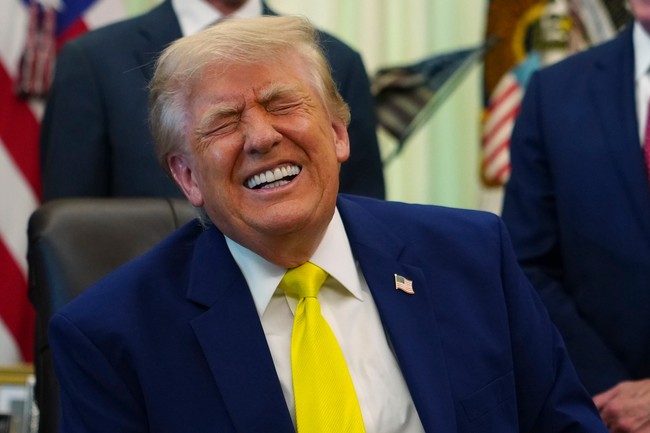
The Treasury has announced an official one-dollar commemorative coin bearing President Donald Trump’s image for the 250th anniversary of American independence, a move designed to mark the semiquincentennial and provoke strong reactions from the political left.
<pThe decision to put a living president on a commemorative coin is bold and intentional, and it feeds directly into the culture wars that have defined the last decade of American politics. Supporters see it as a rightful recognition of the sitting president on a milestone in the nation’s history. Critics will howl, predictably, but the point of a commemorative is to commemorate, not to soothe critics.
The coin was announced by Treasury Secretary Scott Bessent, who supporters praise as a steady hand in fiscal and symbolic matters. This commemoration recognizes the president who occupies the White House at the Semiquincentennial, which many argue is a perfectly sensible criterion for such a design choice. The imagery chosen for the coin leans into the Trump brand, and that is part of the point.
This really . The image on the coin shows the familiar hard-eyed expression that has defined recent portraits of the president. It resembles either the second official photograph or the much-discussed mug shot; either way it captures that trademark stare. There is no mistaking the political theater embedded in the choice of image.
https://x.com/SecScottBessent/status/2077339920461439115
Longtime observers note that plans for special currency have been discussed for months, and the one-dollar coin was the most straightforward vehicle for honoring the semiquincentennial while staying within existing law. There were also ideas floated for a $250 commemorative bill, but those ran into a statutory barrier. The law makes clear that living persons cannot appear on U.S. currency, which shaped the Treasury’s options and steered the project toward coins instead of paper money.
“Only the portrait of a deceased individual may appear on United States currency and securities. The name of the individual shall be inscribed below the portrait,” the U.S. Code states.
Because the statute restricts portraits on currency, the coin route allowed a workaround for the celebration without seeking immediate changes to federal law. A coin does not violate the same practical expectations tied to paper money, and it carries a long American tradition of marking national milestones with special mint strikes. Collectors and partisans alike will clamor for these pieces, and the Treasury can produce them under existing authorities.
Reactions will be loud. The left’s predictable outrage will fill op-eds and late-night segments, but that noise is part of the modern political ecosystem. For those who support the president, the coin is a trophy of governance and a playful poke at critics. For opponents, it will be framed as provocation; for proponents, it’s a legitimate commemorative honoring a historic anniversary.
Practical questions remain about distribution, designs beyond the obverse, and whether collectors will flock to the mint. Enthusiasts often buy a few examples, and some hope to see derivative items like lapel pins or novelty pieces based on the striking imagery. Even in quiet corners of the country, citizens will notice the coin, and in louder media markets the spectacle of the rollout will be amplified.
The move also highlights how symbolic gestures matter in politics. A commemorative coin is a small object with outsized meaning, and administrations know the value of symbols in shaping narratives. Whether the coin becomes a treasured collectible or a daily annoyance to opponents, it will be part of the historical record of the semiquincentennial and of this presidency.
Regardless of where you stand, the decision reflects a simple reality: commemorations mark moments, and governments choose which moments to mark. This government chose to put the face of the sitting president on a coin celebrating 250 years of American liberty, and that choice will reverberate through debates about memory, symbolism, and national identity.

Add comment