
Checklist: Note Trump accepting the WHCA invitation; explain why this attendance is notable; describe the dinner’s recent controversies and entertainer choice; include official responses and quoted statements; highlight tone change and implications for the event.
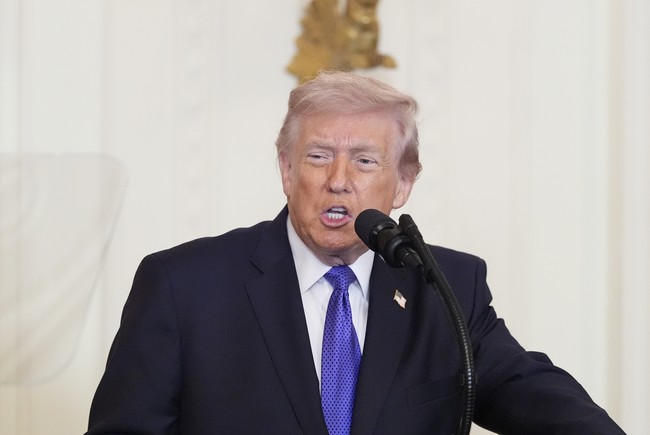
President Donald Trump announced on Truth Social that he will attend the White House Correspondents Association’s 2026 dinner, marking his first time at the event as a sitting president. That announcement comes as the nation marks its 250th birthday and follows a period of tense relations between the president and much of the press corps. The WHCA dinner traditionally gathers presidents, senior officials, legacy media, and D.C. journalists for an evening that mixes awards, speeches, and a bit of roast humor. Trump’s decision to go after previously boycotting the event flips a long-running dynamic and guarantees the evening will draw sharp attention.
The White House Correspondents Association has asked me, very nicely, to be the Honoree at this year’s Dinner, a long and storied tradition since it began in 1924, under then President Calvin Coolidge. In honor of our Nation’s 250th Birthday, and the fact that these “Correspondents” now admit that I am truly one of the Greatest Presidents in the History of our Country, the G.O.A.T., according to many, it will be my Honor to accept their invitation, and work to make it the GREATEST, HOTTEST, and MOST SPECTACULAR DINNER, OF ANY KIND, EVER! Because the Press was extraordinarily bad to me, FAKE NEWS ALL, right from the beginning of my First Term, I boycotted the event, and never went as Honoree. However, I look forward to being with everyone this year. Hopefully, it will be something very Special. Thank you for your attention to this matter! President DONALD J. TRUMP
Weijia Jiang, president of the WHCA, answered on X, and the exchange has become a focal point for folks watching whether the dinner will shift tone. The decision to invite Trump and for him to accept reflects a willingness, at least publicly, to move past the hard feelings that dominated prior years. For conservatives, his attendance is a moment to reclaim some cultural ground and make the dinner less of a left-leaning roast. That said, skepticism remains about whether the event will truly change or just become more contentious.
The entertainer chosen for the April dinner is mentalist Oz Pearlman, a move that breaks recent patterns of booking late-night comedians known for partisan skits. For years the headliner role often went to figures who used the platform to lampoon conservative figures and policies, escalating partisan jabs instead of focusing on the press itself. Organizers now argue they want more emphasis on journalism and less on punchlines that alienate half the room. Pearlman’s act promises to be different in style and tone, which some see as a deliberate choice to calm the atmosphere.
This year, things began with upheaval weeks ago. The normal practice of having a noted comedian headlining the event was torn asunder when the chosen speaker, Amber Ruffin, ruffled the wrong feathers. She tipped her hand that she would be especially caustic in criticizing President Trump, and after being told to modulate her speech she resisted, leading to new WHCA President Eugene Daniels to cancel her and declare he was “re-envisioning” the dinner to focus on the journalism…something they have never had a problem doing at this affair.
That earlier controversy fed the narrative that the WHCA needed to course-correct after several years of increasingly partisan performances. Critics argued the comedians turned the event into a platform for political punches rather than a celebration of press freedom and achievement. The Ruffin episode became a flashpoint for those who wanted less targeted political satire and more inclusivity in the evening’s tone. The leadership shift and retooling were pitched as attempts to restore credibility and broad appeal.
Conservative voices have long accused much of mainstream media of bias and hostility toward Trump, and his attendance will be read by many as validation that the press is warming up to a more balanced approach. Whether that balance is real or symbolic will be tested on the night itself, with cameras and commentators watching for both jokes and substantive acknowledgments. For Republicans, this is a chance to hold the room accountable and show that civility can coexist with scrutiny. The coming event will reveal whether the WHCA can host a dinner that treats journalism seriously while tolerating a sitting president in the room.
The WHCA dinner has always been a mixture of pageantry and politics, and this year’s version promises to be uniquely charged. With a president who has openly criticized the press in the past now choosing to attend, the evening could pivot toward reconciliation or escalate into another spectacle. Attendees, viewers, and readers will all be weighing the impact on public opinion and on the relationship between the White House and media institutions. Expect firm opinions, sharp commentary, and a busier news cycle in the days that follow.
Editor’s Note: The Democrats are doing everything in their power to undermine the integrity of our elections.


Add comment