
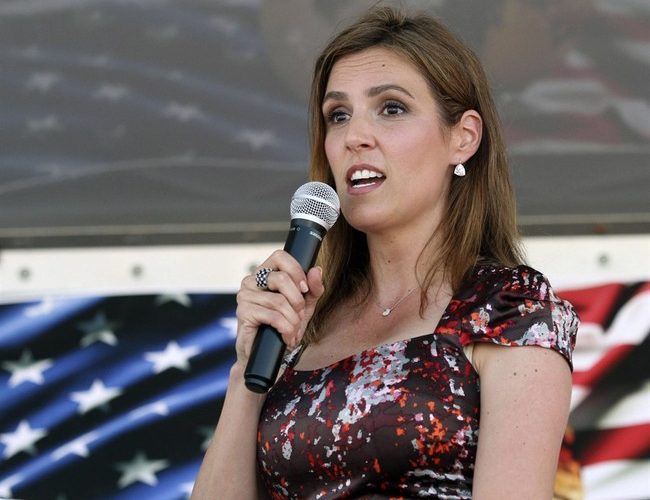
Taya Kyle publicly slapped down Maine Democrat Graham Platner for criticizing her late husband Chris Kyle, arguing his comments attack a veteran’s honor and ignore the broader truth of service, sacrifice, and the personal work Chris did after combat to help fellow veterans.
The exchange centers on a line Platner reportedly delivered on a 2024 podcast, suggesting Chris Kyle’s high confirmed kill count reflected indiscriminate behavior rather than disciplined operations. From a Republican perspective, that kind of remark feels less like scrutiny and more like posthumous character assassination aimed at scoring points. Taya Kyle responded sharply because attacking a dead warrior’s motive and methods is an easy, cheap shot that disrespects service and sacrifice.
Platner is an Iraq War veteran, which makes the criticism more striking and, to many, hypocritical; veterans bitterly divided on the battlefield should still spare one another gratuitous slurs. His words, as reported, framed confirmed kills as evidence of recklessness if one were “a little less discriminating” than a professional standard. That framing shifts the conversation away from the realities of chaotic combat and toward a sanitized narrative that doesn’t reflect how special operations actually worked under fire.
Chris Kyle’s record and reputation were built in extremely messy conditions where split seconds and imperfect intelligence decided life and death. He returned from combat and put enormous energy into helping other veterans cope with PTSD and the scars of service. That post-service commitment culminated tragically when he was murdered in 2013 while trying to help a troubled Marine at a shooting range, a fact that complicates any casual dismissal of his character or intentions.
Stories from Kyle’s life paint a picture of a man who defended comrades fiercely and refused to let public disparagement go unchallenged. One episode involved Jesse Ventura, whose alleged remarks at a 2006 SEAL gathering provoked Kyle to confront him, and the confrontation later burst into public controversy and legal fights. Whether every detail of those episodes survived court scrutiny is beside the point for many: the episodes helped shape a public image of Kyle as someone who stood up for the unit, the mission, and the men who served alongside him.
https://x.com/NRSC/status/2059678641525518564
Critics point to inconsistencies in Kyle’s memoir and question specific claims, which is normal for high-profile war books where fog-of-war memories and classified tactics collide. Yet the broader picture—his platoon’s effectiveness, the respect he earned from many peers, and his work aiding veterans—remains persuasive to those who served with him. Platner’s remarks reframe a lifetime of service through a skeptical lens that many see as unfair and untethered to the realities of counterinsurgency fighting.
“They gave up two lives – the one they were living and the one they would have lived.”
Today, we remember Chris Kyle(the Legend, the protector, the American Sniper)and Taya Kyle, the heart that stood beside him through every battle.
Chris answered the call with courage that became legendary. He laid down his life for God, Country, and Family.
Taya carried the weight of love, sacrifice, and unbreakable strength, even after the unthinkable.
Their story is one of honor, devotion, and the heavy price of freedom.
Though he is no longer with us, his legacy lives on in every American who cherishes liberty, in every family who knows what it means to wait for someone to come home, and in every heart that refuses to forget.
Rest in peace, Chris.
Thank you, Taya. 🇺🇸🇺🇸🇺🇸
What matters here goes beyond a single remark or a single campaign in Maine. When candidates for office lob charges at veterans—especially those who can no longer respond—they test public norms about how we treat service and how we judge sacrifice. Running for the Senate invites tough questions, and voters can decide how much weight to give a candidate’s judgment when they criticize the very people who carried out policy in the field.
There’s a deeper cultural tension at play: some commentators now reflexively apply skepticism to every wartime claim, sometimes erasing nuance and ignoring the chaos under which decisions were made. Veterans operated under political and operational constraints set by civilian leaders, and they executed missions in environments that rarely afford textbook clarity. That context deserves respect, not reflexive second-guessing aimed at diminishing valor.
Taya Kyle calling out Platner was a raw, human reaction to seeing a husband and father’s record questioned from a distance. For many conservatives, defending veterans and insisting on fair treatment is nonnegotiable. Public debate should examine policy and tactics, but it should not casually weaponize the dead for political theater or treat sacrifice as a statistic to be politicized.
Chris Kyle’s life and death are part of a larger story about service, duty, and the costs of war that ripple through families and communities. Comments that strip context and suggest recklessness can feel like an injustice to those who remember the stakes firsthand. In a country that honors its military, critics and candidates should temper commentary with an awareness of what’s at stake when they attack reputation and legacy.


Add comment