
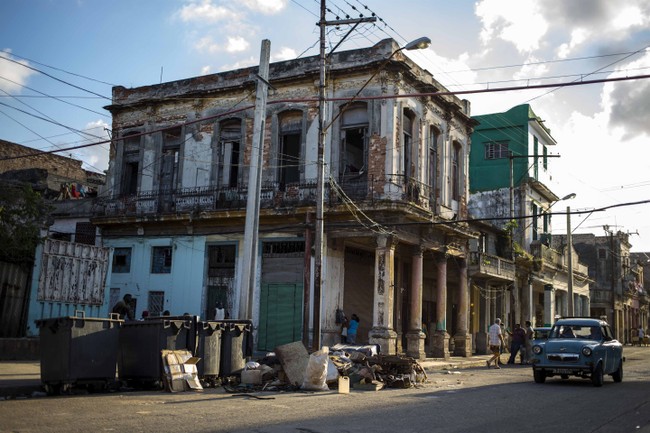
The piece examines how Sandro Castro, Fidel Castro’s grandson, threw lavish parties in Varadero while Cuba endures chronic shortages, blackouts, and economic collapse, highlighting social media boasts, festival tie-ins, and the stark contrast between elite privilege and everyday Cuban hardship.
Cuba’s decline has been visible for decades, with shortages and infrastructure failures shaping daily life for ordinary citizens. The island’s tourism past now contrasts sharply with long lines at pharmacies and fuel prices beyond most wages. This background frames why a high-profile, lavish celebration draws sharp public attention and resentment.
https://x.com/LatamData/status/2038991966860714363?ref_src=twsrc%5Etfw
Sandro Castro staged a weekend of parties in Varadero that read like a playbook for privilege: lunches, marina sunsets, hotel tours, nighttime beach parties, after-parties, jet ski outings, and seafood meant to “kill the hungover.” The events coincided with a larger festival billed as “Summer Kickoff 2K26,” turning private excess into part of a public entertainment calendar. Such extravagance landed on social media and raised immediate questions about who can avoid Cuba’s survival squeeze.
The grandson of a revolutionary leader presents himself as a filmmaker and influencer, insisting that his surname brought no special treatment, a claim many find hard to accept. His posts have long celebrated an expensive lifestyle while the general population struggles under rationing and constant power outages. That ostentation sits uneasily alongside the reality that many Cubans make agonizing choices about when to cook, when to seek medicine, and whether they can afford food at all.
Infrastructure is fraying across the country, and blackouts are a daily hazard for families and businesses alike. Without reliable electricity, refrigeration and medical care become uncertain, and basic routines collapse into improvisation. People report that outages shape whether they eat and how they navigate a shrinking supply of essentials.
Economic pressure has pushed prices into the realm of the unaffordable for most residents, with fuel sometimes costing more than a monthly salary. Pharmacies are often empty, and food exists in markets but at a cost beyond reach for many households. These material shortages also produce a heightened social strain, where desperation can erode patience and civility.
The psychological toll is as real as the economic one; residents describe an erosion of joy and community as scarcity becomes constant. One person observed, “Human values and joy have been lost. You notice more violence and arguments in the streets. People confront each other over a little food.” This speaks to the slow corrosion of social fabric under prolonged deprivation.
Against this backdrop, a mega-party dubbed “The path of Vampirach” took center stage, complete with a theatrical alter ego who sustains on a seized brand of beer. The surreal mix of mythmaking and brand spectacle felt like a performance staged in a parallel Cuba where blackout schedules and empty shelves do not apply. That dissonance fueled indignation and conversation online and off.
Social posts from the event included the line, “Things are getting good, stay tuned.” For those outside the circles of wealth and influence, the phrase landed as tone-deaf, a marker of the distance between elite life and common survival. It also underscored how public displays amplify grievances when the wider society is in crisis.
Details about the guest list were scarce, but observers guessed that the invitees would reflect a network of insiders and creatives who live apart from everyday shortages. Hotels hosting these events appeared unaffected by rolling blackouts that plague residential neighborhoods, adding another layer of contrast. That uneven distribution of basic utilities highlights how privilege still shapes access in a collapsing system.
The celebration itself became shorthand for a broader critique: how the descendants and associates of power can live comfortably while the rest of the population faces mounting hardship. This dynamic is not unique to Cuba, but it feels especially acute where revolutionary rhetoric once promised equality. The spectacle of opulence in a failing state prompts questions about accountability and the future of governance.
Voices inside Cuba and among its diaspora now point to these parties as evidence of a split reality—one in which elite circles continue to host festivals and brand-driven gatherings while citizens contend with hunger and darkness. The contrast fuels both anger and a renewed demand for change, even as the machinery of the state and its networks attempt to manage optics and influence.



Add comment