
This piece looks at a striking shift in Russia: fuel shortages are pushing people back to horses and bicycles, supply lines and refineries are under pressure, and the consequences ripple from everyday life to the battlefield. It explains how transport habits are changing, why the decline in fuel is happening, and what that change signals about Russia’s economy and military capacity.
We are seeing a real-world rollback of 20th-century conveniences in parts of Russia, where people are trading gas for horsepower and pedal power. When a nation regresses to animal and human muscle for routine transport, it says something blunt about supply and infrastructure failure. This shift is not sentimental; it is practical and driven by necessity.
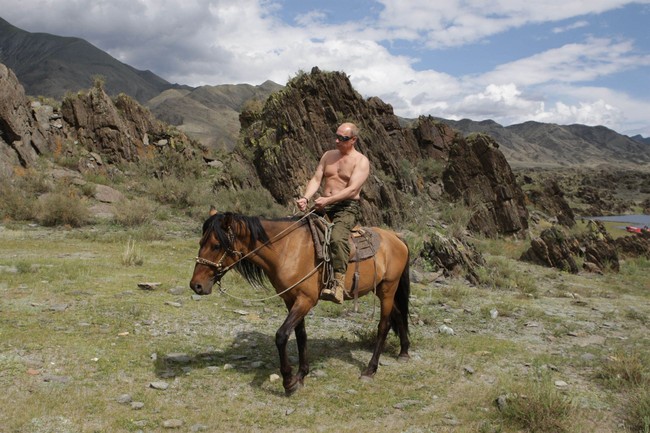
The horse is returning on a pragmatic timetable: families and farms that once sold animals for slaughter are now keeping or buying them to handle daily chores. Working horses now sell faster, and the price for a reliable animal can make sense compared with the cost of filling a tank and running older, thirsty SUVs. That calculation is straightforward: if fuel is scarce or expensive, feed and hoof care become the cheaper regular expense.
The bicycle bounce is even more obvious in urban and semi-rural retail. Bike sales have surged, and mountain bikes in particular are moving off shelves as people look for direct, immediate alternatives to fuel-powered cars. A bike is low-cost, low-maintenance, and keeps someone mobile without relying on a fragile fuel supply chain.
Rural residents across Russia are increasingly turning to horses and bicycles as alternatives to personal vehicles amid a worsening domestic fuel crisis, The Moscow Times reported on July 6.
Data from livestock breeders indicates that the demand for working horses has spiked several-fold in recent weeks, allowing approximately 1,000 animals to avoid slaughterhouses. While a single horse previously waited up to three months for a buyer, rural farms are now selling or booking seven to eight animals per month.
The Moscow Times noted that residents are utilizing the animals for daily farm labor, foraging, and navigating off-road terrain. Depending on age and breed, the price of a working horse ranges between 100,000 and 200,000 rubles ($1287 to $2574). Despite recurring expenses for feed, hoof care, and veterinary checkups, some rural families find maintaining a horse cheaper than fueling domestic SUVs like the UAZ or Niva.
The cause is not a mystery. Russia’s refining and distribution network has been hammered, and that damage shows up in empty pumps and long lines. It is reasonable from a Republican viewpoint to note that weakening a hostile power’s ability to project force and sustain logistics matters strategically. Targeted strikes and disruptions to infrastructure are producing real effects beyond headline turret battles.
Russian officials are downplaying the scale of the issue, but on-the-ground behavior tells the truth faster than talking points. When people start taking their cars across borders to fill tanks or switch to animals and bicycles, denial sounds hollow. The practical choices of citizens create a more reliable picture than official statements.
There is also a wartime dimension: military and priority uses soak up what scarce refined products remain, leaving households to scramble for the leftovers. That prioritization is predictable in a country focused on sustaining a long conflict, but it costs civilians mobility and convenience. In turn, that domestic strain weakens public morale and economic stability.
Cross-border fueling with neighboring countries and a spot market for fuel where available highlight how uneven the crisis is across regions. Where access exists, people exploit it, but many regions remain cut off or face inflated prices. These adaptations help some households stay functional, but they are not a substitute for a healthy national fuel industry.
There are practical ironies here: technologies meant to free people from manual labor are sidelined while older methods regain relevance. That shift forces a rethinking of logistics, maintenance, and local supply resilience. For planners or policymakers watching from afar, the lesson is clear: energy security is not abstract; it is the backbone of everyday life and of a nation’s ability to act.
On a cultural level, the return of horses and bicycles affects how communities move and work, reshaping routines built around cars and paved roads. Farms that rely on mechanized equipment may face productivity hits, and towns will notice fewer motorized conveniences. Those are immediate hardships that also have long-term implications for economic output.
The image of a society scaling back to simpler transport is a stark reminder that industrial capacity and secure logistics are strategic assets. For supporters of robust national defense and energy independence, what happens in Russia is a case study in how supply interdiction can influence both civilian life and military readiness. The present changes in Russian transport choices are a loud, practical signal of deeper systemic strain.



Add comment