
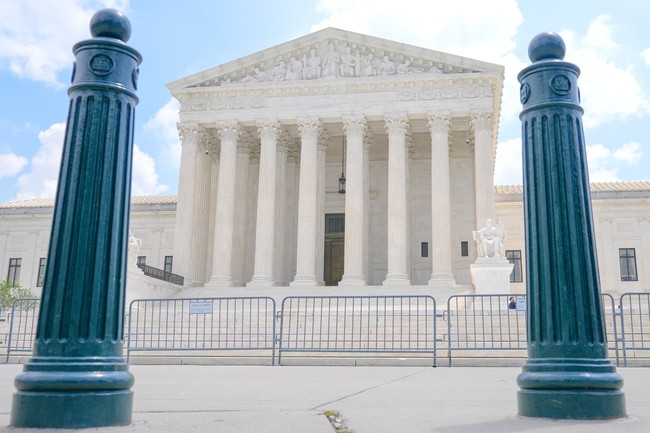
The piece explains how a small legal elite in some states controls judicial selection, why that matters for Kansas voters, and the coalition fighting to preserve the current system; it argues that electing judges would restore accountability and transparency to the judiciary.
As America’s 250th celebrations recede, it’s a mistake to think the fight for self-government is finished. Power gravitates toward elites who prefer decision-making behind closed doors, and one clear example is how some states choose judges. That issue matters because it shapes who interprets laws that touch everyday life.
In 14 states, the so-called “Missouri plan” is used to pick judges, a process that largely removes voters from the selection of many appellate and trial-court judges. Under that system, lawyers hold disproportionate influence over nominations, rather than the electorate or the legislature. For Kansas, this means ordinary citizens currently have very limited say over the state Supreme Court and many trial judges.
The Kansas nominating setup is stark: a commission of five Kansas lawyers and four non-lawyers selects three candidates, and the governor chooses one of those three to fill the vacancy. The five-lawyer majority is elected by other Kansas lawyers, so the bar essentially controls who appears on the shortlist. That 5-4 tilt hands effective power to the legal profession instead of to voters.
After a justice is appointed, the public gets a “retention” vote early in the justice’s tenure, but that vote usually offers no meaningful choice because there is no opponent on the ballot. Even a successful removal would not let voters select the replacement, which helps explain why retention contests rarely produce change. Since 1958, when this commission-based process was established, no Kansas Supreme Court justice has ever lost a retention election.
Earlier this year the Kansas Legislature approved a proposed constitutional amendment that would let voters elect their state supreme court justices, putting the decision where it belongs—in the hands of citizens. The move predictably drew opposition from trial lawyers who benefit from the current system. That resistance speaks to who holds institutional power today and why they want to keep it.
Kansas is politically competitive, but registered Republicans outnumber Democrats by roughly 2-to-1, and Republicans hold legislative supermajorities. Yet recent gubernatorial outcomes have been friendlier to Democrats, so control of the judicial selection process becomes a strategic priority for the left. If the bar and a sympathetic governor keep controlling the gate, Democrats can shape the court despite other Republican successes.
A coalition calling itself Kansas United for Impartial Courts organized to defend the current arrangement, staffed and led by activists tied to civil liberties, reproductive rights, and climate groups. Their aim is to preserve the commission system, which they portray as protecting judicial impartiality. But critics argue that the coalition’s real effect is to keep voters excluded from deciding who interprets state law.
Opponents of elected judges often claim that appointed systems protect courts from politics, yet the composition and selection rules of nominating bodies are themselves intensely political. When board membership skews toward a particular ideology, the resulting court will reflect that tilt no matter how many safeguards are claimed. Transparency and accountability suffer when selection remains the province of a narrow professional class.
For voters, knowing whether a judicial candidate favors textualist reasoning or embraces a “living constitution” approach is essential. Elections bring that debate into the open and let citizens weigh candidates on views about religious liberty, abortion, free speech, gun rights, property rights, and more. That kind of public scrutiny is the most direct check on judicial overreach.
Retention votes without choice, and commission-driven appointments dominated by lawyers, reduce incentives for public engagement and meaningful accountability. If judges are to have final say on disputes affecting liberty and community standards, they should face an electoral process that reveals their philosophy and record. Letting voters decide restores a key element of self-government.
Shifting the selection method does not end important debates about judicial independence or the proper role of courts, but it does change who gets to decide those debates. When power moves out of an elite circle and into the public square, it forces transparency, invites scrutiny, and reasserts citizen sovereignty in a republic where government officials are supposed to answer to the people, not to an unelected professional guild.



Add comment