
I’ll outline how the city’s rising antisemitic violence ties to local leadership, detail the Queens vandalism and deadly crash, explain the charges and community reaction, and show why New Yorkers are demanding accountability.
Data from the New York City Police Department show anti-Jewish incidents climbing sharply, with attacks up nearly nine percent through July and making up roughly 57 percent of confirmed hate crimes in the city. Those figures are not mere numbers on a page; they map onto real fear and real loss in neighborhoods that used to feel safe. For many residents, especially Jewish New Yorkers, the trend reads like a public safety failure that needs answers now.
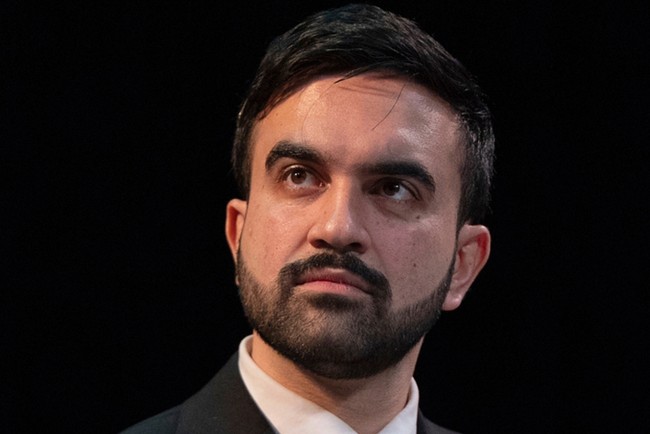
The political backdrop matters here because leadership sets priorities. Mayor Zohran Mamdani rose to prominence criticizing the NYPD and taking harsh positions on Israel, calling its actions “genocide” and once describing the police as a “racist” and “rogue” agency. Those attacks on law enforcement and on a key U.S. ally have left many citizens wondering whether elected leaders are inclined to protect their communities or score political points.
That national and municipal rhetoric has consequences at street level. In Queens, prosecutors say 22-year-old Dawood Faisal repeatedly targeted Bagels & Co., a kosher shop that displays Israeli flags. On May 15 he allegedly knocked over nine metal plant stands, scattering dirt and plants across the sidewalk and throwing handfuls of soil at the storefront. Then on May 23, authorities say he returned and pushed over 11 stands, dumped their contents, and ripped plants from a large clay pot when it resisted being toppled.
Prosecutors described those actions as “repeatedly targeted a Jewish-owned business” in a “vile act of antisemitism.” Those vandalism incidents were not isolated mischief, according to officials; they were patterns of behavior that showed motivation. Community members who saw the damage were left alarmed and wondering why more decisive intervention did not happen earlier.
Two days later, on May 25, Faisal was allegedly driving a Toyota Prius at dangerous speeds through Queens and caused a crash that sent another vehicle into a couple walking home from dinner. The woman, 71-year-old Cara Trager, suffered catastrophic head injuries and died in the hospital four days afterward. Her husband survived. The collision stunned a neighborhood already rattled by the earlier vandalism.
Witnesses detained the driver at the scene, and prosecutors say Faisal attempted to flee before being held. He has since been charged with manslaughter and hate crimes tied to the vandalism, and he has pleaded not guilty. The charges reflect both the alleged violent driving that led to a death and the pattern of targeted attacks on a Jewish-owned business.
Cara Trager’s family now faces questions about whether her death could have been prevented if the earlier vandalism incidents had been taken more seriously. The fact that her son, Eric, served as a Middle East advisor to President Trump in 2025 adds a public dimension to the private grief, but grief is the same whether the family has a public profile or not. Families deserve answers about whether warning signs were missed and whether city systems acted fast enough.
Neighbors and community leaders are demanding accountability from elected officials who have criticized police and expressed outrage at Israel. When the mayor spends political capital attacking law enforcement and aligning his rhetoric with anti-Israel protest language, it makes the city feel less safe to those targeted by that rhetoric. Jewish New Yorkers rightly wonder if their safety is a policy priority or a political debate point.
This case shows how a string of alleged hate-fueled acts escalated into a human tragedy in the space of weeks. Vandalism that signals targeted hatred should trigger fast, visible responses that reassure residents and deter further attacks. When that escalation goes unchecked, the consequences can be deadly and traumatic for entire communities.
https://x.com/StopAntisemites/status/2084770137085792464
The prosecution’s claims and the criminal charges now pending will play out in court, and the legal process must determine guilt and penalties. Meanwhile, civic leaders must answer how they will protect vulnerable communities and ensure that targeted businesses do not become repeat victims. The public deserves clear policies and quick action that reduce the chance of another preventable tragedy.
New Yorkers, especially Jewish residents, want concrete steps and leadership that treats public safety as a nonpartisan responsibility. Words matter, but so do arrests, prosecutions, and prevention efforts. As this case proceeds, the demand for accountability and better protection will only grow louder until residents feel secure again in their own neighborhoods.


Add comment