
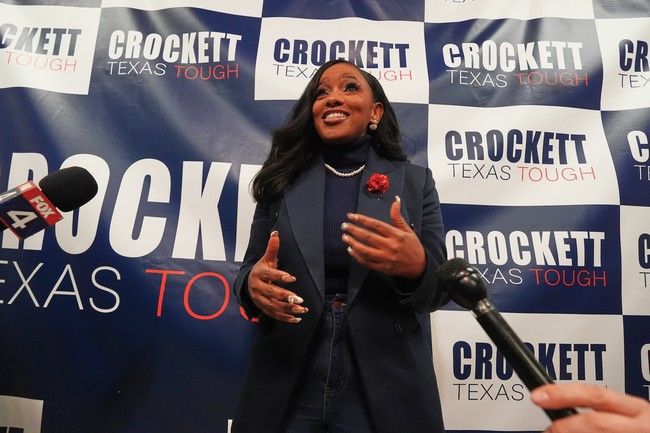
Quick summary: A planned Stephen Colbert interview with Democratic Senate hopeful James Talarico was shifted from broadcast to YouTube over equal-time concerns, prompting public claims about censorship that CBS denied and stirring a reaction from Rep. Jasmine Crockett and others in the Texas primary fight. The episode raised questions about media handling, campaign strategy, and how narratives about censorship can reshape attention mid-race. This piece walks through the facts, the conflicting statements, and why the move matters as early voting begins in Texas.
Earlier reports said Colbert planned to interview James Talarico ahead of the Texas Senate primary, but the broadcast never aired. Colbert and Talarico suggested their segment was halted by regulatory pressure tied to “Trump” and the FCC, a claim that quickly drew scrutiny. That framing turned a routine programming decision into a spicy political talking point almost overnight.
CBS issued a clear denial about any outright ban, explaining the show received legal advice about the potential application of the FCC equal-time rule. The network said the options presented were meant to ensure fairness among candidates and avoid triggering obligations that would require equal opportunity for other contenders. In short, the concern centered on equal-time obligations, not an external censorship edict.
“THE LATE SHOW was not prohibited by CBS from broadcasting the interview with Rep. James Talarico. The show was provided legal guidance that the broadcast could trigger the FCC equal-time rule for two other candidates, including Rep. Jasmine Crockett, and presented options for how the equal time for other candidates could be fulfilled. THE LATE SHOW decided to present the interview through its YouTube channel with on-air promotion on the broadcast rather than potentially providing the equal-time options.”
The decision to pivot to YouTube mattered because it let Talarico claim a censorship narrative while sidestepping equal-time mechanics that would have benefited other Democratic hopefuls. Running the interview off-air and promoting it on broadcast avoided having to offer equal blocks of time on CBS to Crockett and another candidate. That maneuver handed Talarico a media moment without the usual tradeoffs broadcast rules would demand.
For a lesser-known candidate, the optics of being “blocked” on national TV can be worth more than the interview itself. Talarico could spin extra attention and sympathy right as early voting begins in Texas, potentially eroding the name recognition gap that favored Rep. Jasmine Crockett. In a tight primary, a little extra buzz can shift perceptions and donations in ways that matter on election day.
From Crockett’s perspective, correcting the record presents a dilemma. If she directly repeats the CBS explanation that the FCC wasn’t involved and the issue was equal time, she risks being painted as defending the network or being soft politically. Staying silent, however, lets the censorship narrative stand and could allow Talarico to keep the momentum. That political calculation is what makes this episode interesting beyond media process details.
Reports indicate Crockett is waiting for a formal statement from Paramount before responding with her own official language. Meanwhile, the campaign and commentators are watching to see how she frames any rebuttal, because tone and timing could affect voter perceptions. The story isn’t just about a TV interview; it’s about strategy, optics, and the craft of message control in a crowded primary.
The equal-time rule itself is a blunt tool that can complicate broadcast interviews during competitive races, especially when multiple candidates from the same party are vying for attention. Shows can avoid equal-time obligations by shifting content to platforms like YouTube, but that creates a different set of advantages and narratives for the guests involved. That tradeoff played out here, with real consequences for the campaign calendar.
At a practical level, Colbert’s decision to air the conversation on a digital channel rather than the CBS broadcast preserved legal cover while offering Talarico a platform. The net effect was a sprint of headlines and social-media claims that reshaped a late-stage primary conversation. With early voting underway, the timing made the incident unusually consequential for both candidates.
Expect more statements and sharper positioning from the campaigns as the dust settles and momentum becomes measurable. The dispute shows how media rules, legal counsel, and political messaging can intersect to create a brief but potent campaign moment. That interplay is the story worth watching as Texas voters start casting ballots.
Add comment