
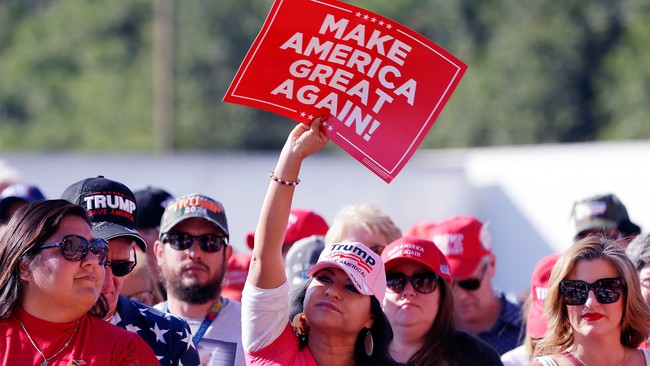
Wednesday, May 6, 2026 — A brisk look at today’s headlines: Indiana’s redistricting fallout, media moments from Washington, legal moves shaping policy, and the White House schedule. This piece pulls together the key items, highlights notable quotes, and places the notable embeds where they appeared originally.
Good morning. Today’s focus centers on Indiana’s primaries and the political consequences for Republicans who refused to back redistricting efforts. Several incumbents paid the price at the ballot box, underscoring a broader lesson about political reality and the need to act decisively when opportunity knocks.
On the national stage, an unconventional White House moment grabbed attention when a senator stepped behind the podium as a one-day press secretary stand-in. The scene produced both sharp gaffes and sharp laughs, reminding us that political theater can matter as much as policy in shaping narratives.
“At the June 25 sentencing hearing, Judge Malan will hear victim impact statements and review a sentencing report on Alnaji, prepared by the probation department, before formal sentencing occurs. We anticipate that the courtroom will be full and that prosecutors and eyewitnesses will bring forward all possible evidence showing Alnaji is not just a mild-mannered computer science professor.”
Back to Indiana: the post-primary chatter framed the losses as a direct consequence of inaction on redistricting. Observers argued that refusing to engage strategically handed advantage to opponents and left voters frustrated. One blunt assessment put it this way: “We don’t care, losers. This wasn’t a hard choice, and you just don’t get it. It’s about winning, and if you can’t see how redistricting can help us, then GTFO.”
That rhetoric reflects a hardline view of contemporary politics: winning matters and tactical choices have immediate electoral consequences. State-level fights over maps have real national implications, and the Indiana results are likely to be cited as proof that inaction carries a steep price. Voters and party activists alike are watching to see whether other state leaders adjust course quickly.
Congress remains on a District Work Week, but activity persists across the Hill and in executive agencies.
The White House calendar is full. Today’s listed schedule includes a morning block of Executive Time and a policy meeting, a midday Military Mother’s Day event with the First Lady, an afternoon intelligence briefing, and an early evening reception for a national trust. Key times: 8:00 AM Executive Time, 11:00 AM Policy Meeting, 12:30 PM Military Mother’s Day Event, 3:30 PM Intelligence Briefing, 5:30 PM Reception for the Trust for the National Mall.
At the Environmental Protection Agency, the administration highlighted aggressive cost-cutting and reorganization efforts. Officials claim significant savings across staffing, real estate, and canceled programs. One statement noted: “At the Trump EPA, we’ve proudly saved American taxpayers $30 BILLION through staff reductions, agency reorganizations, real estate consolidations, and canceled grants and wasteful media subscriptions, along with the closure of the Biden EPA Museum almost no one visited or even knew existed.”
Legal developments kept up their steady drumbeat. Courts issued a mix of affirmations, reversals, and denials across immigration, criminal, and administrative cases. Notable items included a federal appeals decision that affirmed in part and reversed in part earlier district court orders in a case involving DHS, a D.C. grand jury indictment in an attempted assassination matter, and a D.C. Circuit ruling that denied a stay but granted expedition in a challenge over commercial driver licensing for noncitizens.
Politics remains rough and unforgiving, as one observer admitted: “Politics ain’t beanbag.” That line captures the tension between the ideal of civic engagement and the reality of high-stakes maneuvering in modern campaigns. Those who ignore that reality risk getting shown the door, as Indiana incumbents discovered in short order.
Beyond the red-state drama, other cultural and financial moves drew attention. Business leaders signaled dissatisfaction with local policies in some cities and discussed alternatives, and conservative commentators declared vindication on long-running disputes over climate policy and mainstream narratives. Media cycles are quickly reshaped when prominent figures shift locations or when new court rulings land.
On the lighter side of the bulletin, a few multimedia pieces and quick embeds round out the day’s reading list. #
Some sharp quotes from across the day reminded us how vivid political language can be. “‘The mayor has made it clear we’re not welcome, and I’m okay with that.’ The man and his business have options, and he has never been afraid to exercise them.” Those lines reflect the blunt calculus behind high-profile relocations and business decisions in a polarized landscape.
For readers tracking momentum into the midterms, the takeaway is straightforward: strategy and timing matter. The Indiana results will be parsed by operatives and candidates as they plan next moves, and the larger lesson — act proactively or face replacement — will echo in statehouses and campaign war rooms across the country.
Add comment