
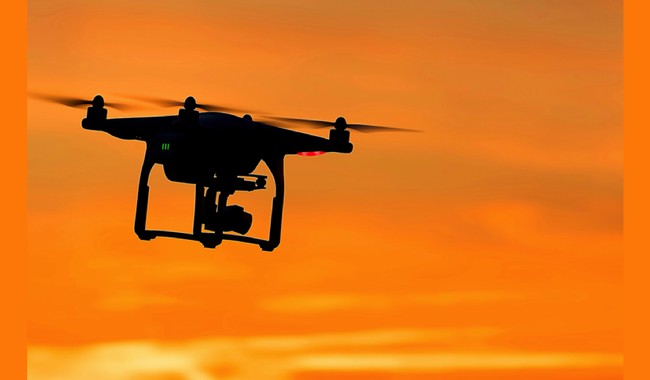
The Bullfrog M2 is an affordable, mobile counter-drone weapon that uses .50 caliber rounds to shoot down small UAVs, offering a low-cost layer of defense and a practical option for protecting fixed sites and logistics with scalable deployment.
Modern battlefields and domestic security zones face an escalating drone threat, and solutions that blow budgets on multimillion-dollar interceptors for cheap drones make no sense. The Bullfrog M2 flips that economic math by using standard .50 caliber ammunition that costs about $10 per round, making each intercept a tiny fraction of previous costs. It’s a straightforward idea: use a proven caliber and automated targeting to neutralize Class 1-3 UAVs without breaking the bank.
The system is produced by Allen Control Systems in Austin, Texas, and it’s built around mobility, low power use, and autonomous operations. It’s described as capable of both autonomous and semi-autonomous modes and meant to protect high-value targets while operating on the move. That combination suits a modern defense posture that favors layered, distributed protection rather than a few very expensive single-point defenses.
Bullfrog™ is a lightweight, low-power autonomous weapon station designed to detect, identify, and neutralize enemy Uxs. Engineered for mobility and versatility, Bullfrog™ excels in both on-the-move operations and the protection of high-value targets like power substations. Capable of engaging Class 1-3 UAVs, it offers both autonomous and semi-autonomous modes, delivering flexible, reliable defense at every turn.
The makers emphasize precision, passive operation, lightweight construction, and scalability as the core virtues of the Bullfrog family. These traits matter in real-world deployments where troops need weapons that move with convoys, secure critical infrastructure, and integrate into existing defensive networks. Passive detection and low power draw help extend deployment options and reduce the logistical footprint.
There are multiple variants beyond the M2, including versions that use 7.62x51mm weapons and even a 30mm light cannon variant for heavier engagement needs. Each choice trades weight, range, and cost per shot, letting commanders match equipment to mission risk and asset value. That kind of modularity makes the Bullfrog line adaptable across a wide range of tactical and strategic roles.
From open footage and available descriptions, the Bullfrog appears to be a line-of-sight system with an effective range around 1,800 yards for the M2 model. The 30mm cannon might extend that envelope a bit, but these are not theater-strike systems meant for extreme standoff. They are point defense tools intended to create a protective bubble around bases, convoys, and critical infrastructure where drone threats operate at subsonic speeds and predictable flight profiles.
Video demonstrations show the Bullfrog engaging multiple targets with high hit probability, often using only a single round per drone. That’s not just efficient; it’s the kind of tactical economy modern forces need when facing swarms or waves of inexpensive air threats. Using cheap rounds to defeat cheap hostile drones restores proportionality to air defense and saves taxpayers and commanders from paying wildly disproportionate prices for single intercepts.
No system is perfect, and the obvious adversary tactic is quantity: overwhelm a unit by sending more drones than it can physically engage. The counter to that is equally straightforward: deploy more Bullfrogs and prioritize coverage where value and vulnerability intersect. Stack defenses based on importance, and use numbers to buy resilience rather than relying on a single, expensive shield.
The Bullfrog concept also shows how enduring small-arms design can be repurposed for modern problems—especially when combined with modern sensors and automation. The .50 caliber is a long-standing workhorse, and wrapping it in an autonomous engagement suite converts proven lethality into new capabilities without reinventing the wheel. It’s an American-style solution: rugged, practical, and cost-conscious.
Politically and strategically, this is the sort of sensible defense investment conservatives should champion—practical gear that stretches defense dollars, makes forces more survivable, and reduces wasteful spending on over-priced interceptors. It’s the kind of gear that lets commanders protect what matters at a reasonable price and keeps decision-makers accountable for the cost-effectiveness of force protection.
Watch:
For hardened sites and logistics hubs, a mix of Bullfrogs and other layers makes sense, allocating more units to the most critical positions and fewer to secondary assets. The system’s low logistical burden and scalable nature mean commanders can tailor deployments to threat levels and available budget while maintaining a credible deterrent against small aerial threats.
Never underestimate the value of simple solutions applied well; affordable, effective tools are often the best answer to asymmetric threats. When drone costs are tiny and interceptors are huge, common-sense systems like the Bullfrog M2 restore balance and give defenders more options on the ground.



Add comment