
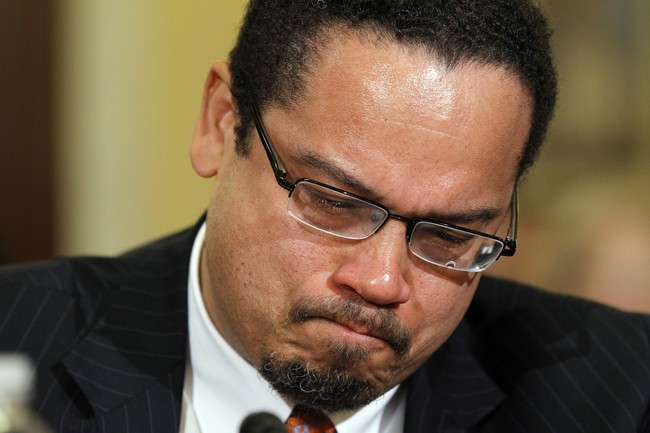
This article explains the latest developments in a Minnesota child nutrition fraud case tied to a Somali family, the legal status of the sixth family member facing charges, and the lingering political fallout from a 2021 meeting between several family associates and Attorney General Keith Ellison where discussions turned to donations and political support.
The sixth defendant in the fraud investigation, Gandi Yusuf Mohamed, is set to plead guilty or enter a no-contest plea, marking another legal turn in what prosecutors describe as a $14 million federal child nutrition fraud scheme. Authorities allege Mohamed used shell companies to funnel more than $1.1 million in ill-gotten gains while submitting fraudulent meal counts and claims. He faces charges including conspiracy to commit wire fraud, wire fraud, conspiracy to commit money laundering, and money laundering. This case ties into a broader sweep that has already produced multiple guilty pleas among family members and close associates.
Mohamed’s indictment and forthcoming plea follow a pattern of prosecutions involving relatives who have admitted wrongdoing in recent months. Brothers, sisters, a mother, a husband, and close friends tied to the same operations have pleaded guilty to various offenses, including wire fraud. That wave of pleas has narrowed the circle of defendants still fighting charges and increased pressure on remaining targets to resolve their cases. Prosecutors argue the scheme was systematic and involved coordinated efforts to access federal child nutrition funds improperly.
Several members of the family met privately with Attorney General Keith Ellison in 2021, and portions of that meeting have drawn intense attention since audio clips surfaced. In the recording a family member says, “The only way that we can protect what we have is by inserting ourselves into the political arena. Putting our votes where it needs to be. But most importantly, putting our dollars in the right place. And supporting candidates that will fight to protect our interests.” Ellison responded, “That’s right.” Those exchanges have been interpreted by critics as suggesting an understanding about political backing in exchange for assistance.
The meeting reportedly included discussion of political support and donations alongside the family’s concerns about state agencies, and Ellison could be heard expressing a willingness to help. Critics call it a quid pro quo, while Ellison insists he acted appropriately and took the meeting in good faith. He later wrote that he “took a meeting in good faith with people I didn’t know, and some turned out to have done bad things. I did nothing for them and took nothing from them.” The contrasting accounts have fueled debate about judgment and ethics for public officials who meet constituents and donors.
After the meeting, Gandi Yusuf Mohamed sent a maximum campaign donation of $2,500 to Ellison. The attorney general returned the donation to the Department of Justice in 2025 after the indictments were made public. That sequence of events has become a focal point for those arguing there was at least the appearance of impropriety, since the contribution arrived soon after the private meeting and was only returned after criminal charges emerged. The timing has prompted questions about vetting and campaign finance practices when public officials engage with unfamiliar groups.
Audio of the 2021 session has been cited in reporting as evidence that help was offered while political support was discussed. In the clips, participants talk about “votes” and “dollars” in ways that sound transactional to many observers, and Ellison’s responses have been scrutinized closely. Supporters of the attorney general point to his stated good-faith intent and his public denial of wrongdoing. Skeptics argue that regardless of intent, the exchange merits closer review to preserve public trust in the office.
As the court calendar moves forward, Mohamed’s decision to change course and accept a plea after previously rejecting a deal signals a shift in the defense posture for the last holdouts from this family network. His brother, Suleman Mohamed, recently pleaded guilty to a wire fraud charge, and others in the group have followed. The cumulative effect of multiple admissions of guilt tightens prosecutorial leverage and may yield further cooperation or testimony that clarifies how the scheme operated and who participated.
The legal fallout is likely to continue producing headlines that mix criminal and political elements, particularly because of the high-profile contact with a sitting state official. The ongoing prosecutions will test how investigators and prosecutors build their cases against individuals accused of exploiting federal programs. Meanwhile, public discussion of the case is shaping perceptions of both the fraud itself and the oversight responsibilities of elected officials who meet with constituents and donors.
Investigations, plea decisions, and the release of evidence such as audio recordings ensure the story will evolve as more documents and court filings emerge. The interplay between criminal accountability and political accountability remains central to how the public will judge the players involved. For now, Mohamed’s pending plea marks another step in a complex legal saga with wide implications for program integrity and political transparency.
Add comment