
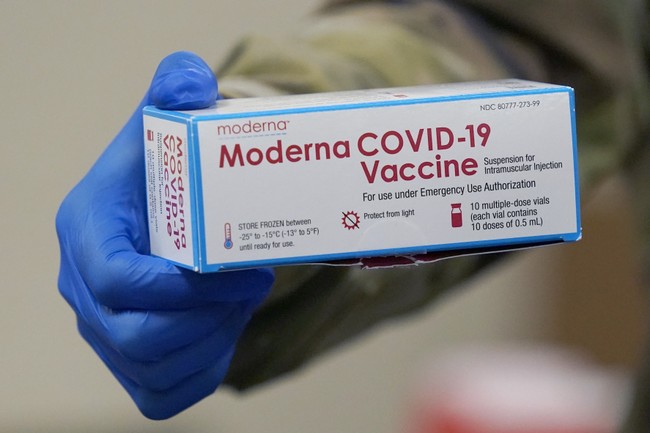
Mark Bashaw, the Army officer once court-martialed over COVID rules, has been reinstated to active duty with back pay and restored rank after a contentious legal and administrative fight that drew attention because his prosecutor was Yevgeny Semyonovich Vindman, brother of Lieutenant Colonel Aleksandr Vindman.
Bashaw’s case began when he stood his ground against testing and telework orders at Aberdeen Proving Ground and was charged in early 2022 with failure to obey lawful orders. The special court-martial that followed found him guilty on two counts in May, dismissed him from the service, and left many observers asking why administrative options were not used instead of a court-martial. The dismissal effectively erased five years of service and experience from his record, a consequence that took months of review and bureaucratic pushback to undo.
The particulars of the charges were specific and procedural: he was accused of refusing an order to telework, entering the installation without a required negative COVID-19 test, and remaining on duty after failing to comply with testing requirements. The installation’s rules required unvaccinated personnel to produce a negative test before reporting to work, and the accusations included an alleged refusal to leave his place of duty when asked. Those actions led to the formal charges that culminated in the court-martial.
He’s charged with refusing an order to telework and showing up to Aberdeen Proving Ground “after failing to submit a negative COVID-19 test or [submit]” to a test, [Aberdeen Proving Ground spokesperson] Nappi said. The installation requires that unvaccinated personnel submit a negative test result before entering their worksites, according to its website.
Bashaw also is charged with allegedly refusing to leave and “wrongfully remaining at his place of duty” after his failure to get tested, according to Nappi.
The officer is also charged with refusing to wear a mask while indoors, Nappi added. All Aberdeen Proving Ground troops are required to wear masks indoors regardless of their vaccination status.
The court found him not guilty of the mask allegation but convicted him on the other counts, resulting in dismissal rather than confinement or fine. That outcome produced public criticism and questions about precedent; the installation defended the action by noting that receiving no punishment at a court-martial “is not without precedent,” though observers noted that explanation did little to clarify why a court-martial rather than an administrative route was chosen. The optics were poor, especially given Bashaw’s status as a father and a commissioned officer in the Medical Service Corps.
Complicating the story was the identity of the prosecutor, later revealed to be Yevgeny Semyonovich Vindman, whose family connections to a high-profile impeachment case made the proceedings politically charged. The visibility of that connection fueled debate about motives and the appropriateness of pursuing a court-martial under the circumstances. Critics argued the prosecution appeared excessive and symptomatic of a command climate that favored punitive measures over administrative resolution.
In January 2025, a presidential directive opened a path to remedy for those discharged solely for refusing the COVID-19 vaccine, offering reinstatement to active and reserve members who sought it. That policy shift set the stage for Bashaw’s appeal and administrative review, though the process was neither swift nor automatic. Reinstatement applicants encountered bureaucratic hurdles, including disputes over whether pay and allowances earned during separation should offset back pay owed under reinstatement decisions.
Bashaw’s return to active duty required high-level intervention and careful handling to ensure his date of rank and promotions matched his peers. Officials pushed back against easy restitution, and advocates for reinstated members had to press for full restoration rather than partial or conditional corrections to records. The personal intervention of senior personnel officials was reportedly necessary to finalize Bashaw’s full reinstatement.
The broader picture shows that only a handful of service members have been restored to active duty under the new policy, highlighting the limited reach of the reinstatement process so far. Each case appears to demand substantial review and advocacy, meaning reinstatements will likely continue to be slow and contested. For those like Bashaw who lost years of credited service, the administrative repair does not fully erase the disruption to career progression and earnings.
The stakes remain personal and professional: Bashaw lost five years of active service and the experience that comes with it, and his return puts him back in line with peers but cannot magically restore missed opportunities. Meanwhile, workplaces in the military may still harbor attitudes formed during the pandemic years, and some commanders or colleagues may continue to challenge or monitor reinstated members. The process of reintegration is as much cultural as it is bureaucratic.
The case underlines larger questions about how military discipline, public health policy, and individual conscience intersect in service life. It also shows the consequences of choosing courts over administrative fixes and the long shadow that such decisions can cast over a soldier’s life. For now, Bashaw is back on active duty, his rank and pay restored, but the career and personal impacts of his removal will linger as the military sorts through similar cases in the months ahead.
This tweet by retired Warrant Officer Sam Shoemate, the go-to guy for information on reinstatements, says it all.
The promotion keeps Bashaw aligned with his peers in date of rank, and his reinstatement is one of only a few completed restorations in the months since the policy changed. The administrative process that returned him to active duty required persistence and high-level advocacy, underscoring the uphill battle faced by others seeking similar remedies.

$220/hr provide by GOOGLE, I am making a good salary from home $6580-$7065/week . now it’s my duty to pay it forward and share it with Everyone,started_ ……Www.Cashprofit7.site