
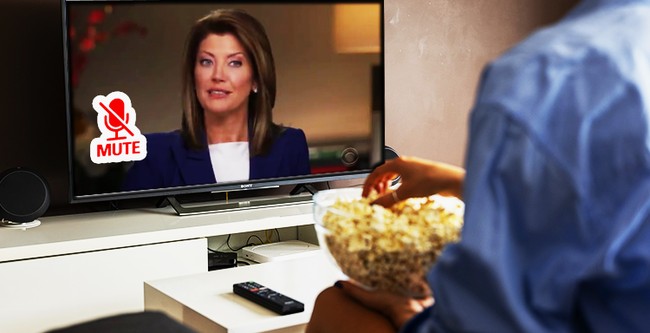
Trump Torches Norah O’Donnell Live on Air for Reading Shooter’s Vile Attacks Against Him: ‘Disgraceful’
The president pushed back hard during a heated televised interview after a veteran anchor read aloud passages from the alleged shooter’s manifesto, and the exchange quickly turned into a confrontation over media responsibility and the danger of amplifying violent rhetoric.
The segment began with Norah O’Donnell reading lines from the suspect’s writing, including “The so-called manifesto is a stunning thing to read, Mr. President,” and the anchor asking whether the manifesto appeared to reference a motive. She proceeded to repeat passages verbatim, including “Administration officials, they are targets,” and “I’m no longer willing to permit a pedophile, rapist, and traitor to coat my hands with his crimes.” That choice set the stage for a blunt rebuke from President Trump, who seized on the moment and attacked both the content and the act of repeating it on national television.
Trump reacted immediately and forcefully, cutting through the performative reading with pointed denials and a scathing description of the network’s approach to the interview. “Well, I was waiting for you to read that because I knew you would, because you’re horrible people,” he said, then added, “Yeah, he did write that. I’m not a rapist, I didn’t rape anybody.” The president pushed back against the implication and refused to let the anchor’s quotation stand unchallenged.
O’Donnell pressed on with a follow-up question that suggested the suspect might have been referring to the president, to which he replied, “Excuse me, excuse me. I’m not a pedophile,” and called the reading “crap from some sick person.” He connected the moment to longstanding attacks by opponents and insisted that past investigations had cleared him. The exchange rapidly became less about the suspect’s motives and more about whether the media should reproduce violent statements without context or condemnation.
The president went further, attempting to shift blame toward figures he characterized as connected to unsavory behavior, suggesting that the conversation was being framed to smear him rather than to responsibly inform viewers. In the middle of the back-and-forth he said, “I got associated with all the stuff that has nothing to do with me. I was totally exonerated.” That line underscored his view that journalists sometimes prioritize sensational wording over accountability and perspective.
At one point he described his decision to participate despite expecting provocation: “But I said to myself, ‘You know, I’ll do this interview and they’ll probably—I read the manifesto. You know, he’s a sick person. But you should be ashamed of yourself reading that, because I’m not any of those things. And I was never—excuse me, excuse me. You shouldn’t be reading that on 60 Minutes. You’re a disgrace.” Those exact words landed as a sharp rebuke aimed at the anchor and, by extension, the outlet’s editorial judgment.
After that, the conversation returned to the practical consequences of airing the shooter’s language. The president argued that repeating a manifesto without clear denunciation and without labeling the author as deranged risks normalizing dangerous ideas. He warned that when mainstream outlets platform violent, dehumanizing rhetoric, they can inadvertently fuel copycats and radicalize unstable viewers.
The segment sparked strong reactions because it highlighted two competing responsibilities: informing the public about a violent act and avoiding amplification of the attacker’s propaganda. The anchor’s choice to read the passages verbatim without an explicit, sustained rebuke was the focal point of criticism. Critics argued that providing a megaphone to a would-be killer’s words can create echo chambers where lethal intent finds validation.
Viewers witnessed a real-time clash over media ethics, tone, and accountability, with the president framing the issue as a question of moral judgment. He repeatedly called out the act of quoting the manifesto as irresponsible and portrayed the anchors as participants in a spectacle instead of neutral reporters. The language used by both sides was blunt, with the president labeling the practice “disgraceful.”
In the larger context, this exchange raises hard questions about how journalists should report on violence and extremist rhetoric without amplifying it. The debate is not new, but high-profile confrontations like this one make it immediate and visceral for millions of viewers. At stake is whether the press can inform the public about threats while minimizing the risk that coverage itself becomes part of the problem.
Those watching saw a clear example of a public figure refusing to accept unchallenged repetition of inflammatory material on live television, and the moment immediately became a talking point about media standards. The president’s confrontation forced a conversation about where the line should be drawn between reporting facts and repeating propaganda. For many, the exchange underscored the need for sharper editorial judgment when violent rhetoric appears on the airwaves.


Add comment