
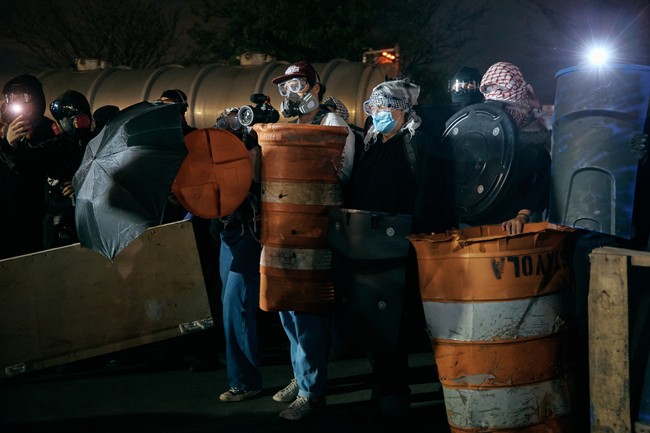
The Delaney Hall standoff in Newark has become a loud clash of protesters, elected Democrats, and federal authorities, with two recent reports undermining claims about detainee mistreatment and hunger strikes at the ICE facility.
For about a week, anti-ICE activists have targeted the Delaney Hall detention center in Newark, turning protests into confrontations that officials say included attacks on ICE personnel. Democratic politicians who showed up at the scene have amplified the tensions, framing the situation as a humanitarian crisis even as authorities push back on those characterizations. Local law enforcement has made arrests and continues to investigate threats reportedly made against agents and their families.
Protesters insist detainees are being mistreated and some are on hunger strike, and they have used aggressive chants like “Every cop, every fed, shoot yourself in the head” to press their demands for releases. Federal officials from the Department of Homeland Security have publicly denied systemic problems with food or care at the facility. That denial got backing from two separate reports that challenge the narrative pushed by activists and some Democratic leaders.
One of those reports includes an actual cafeteria menu from Delaney Hall, obtained and shared by media outlets, that shows full meals rather than bare or insufficient rations. The menu demonstrates options for breakfast, lunch, and dinner that look reasonably nutritious and filling rather than the paltry and neglectful fare protesters described. As DHS Secretary Markwayne Mullin put it bluntly, “it’s not a Holiday Inn,” but the spread on paper hardly matches the picture of starvation being sold on social media and late-night cable.
Beyond the set menu, a follow-up report documents access to a commissary where detainees can purchase snacks and convenience items, and jailhouse buy patterns reportedly show increased sales of popular snack items. Observers who have seen commissary rolls indicate detainees are able to buy Doritos, Little Debbie-style cakes, and other packaged foods within the limits of commissary rules. That kind of access hardly fits the hunger-strike horror story that has been circulated by some activists.
The presence of commissary purchases does not negate every complaint detainees might raise, but it does undercut the claim that people inside Delaney Hall are being denied basic sustenance. Jail commissaries exist in many detention settings to allow inmates and detainees to supplement standard meals, and sales spikes can reflect supply, boredom, or normal purchasing after intake. The point here is simple: the narrative of widespread starvation looks overstated when you factor in both the posted menu and commissary receipts.
A social media post quoted in a public report emphasized the commissary trend, stating, “the commissary snack store has seen an ‘increase in sales and detainees maxing out on items they can purchase weekly.'” That line, lifted verbatim in reporting, presents a vivid counterexample to activist claims about mass hunger. Maintaining the exact wording of that source is important because it highlights the disconnect between on-the-ground allegations and documented behavior inside the facility.
Protesters have also accused officers of physical mistreatment and improper policies, and any credible allegation of abuse deserves swift, serious investigation. But knee-jerk political grandstanding that treats every enforcement action as cruelty does a disservice to facts and to productive oversight. When evidence piles up showing decent menus and commissary access, the responsible response is to evaluate specifics, not amplify vague moral outrage for political gain.
The bigger picture is that enforcement of immigration law is being politicized, with Democrats painting routine detention practices as cruel to score points against the current administration. This approach turns standard duty into a moral indictment and pressures law enforcement to respond under a cloud of partisan theater rather than clear-eyed review. Republicans argue that enforcing the law is not a moral failing and that blowing up a facility operation into a crisis story without solid evidence is misleading.
https://x.com/AlexisMcAdamsTV/status/2060427585259971025
Rather than reflexive condemnation, the public should demand transparent investigations where there are real claims and resist viral narratives that collapse complex operations into one-liners. Authorities should keep documenting conditions, allow independent oversight where appropriate, and be transparent about commissary policies and menu planning. Meanwhile, political actors should stop weaponizing detention centers for headlines and let facts lead the conversation.



Add comment