
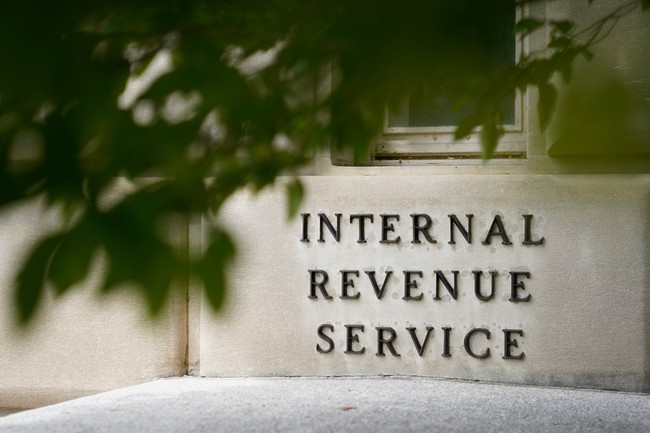
This article examines President Donald Trump’s decision to drop his $10 billion lawsuit against the Internal Revenue Service over leaked tax returns, explains why taxpayer privacy matters, and argues for stronger safeguards and accountability within tax agencies to prevent future breaches and politicization of sensitive financial data.
When confidential tax records surfaced in the media, it exposed a basic failure: the government did not keep private information private. The leak originated with a contractor who accessed returns without authorization, and that breach touched not just one family but thousands of taxpayers. That kind of failure undermines confidence in any system that requires citizens to disclose intimate financial details to the state.
The lawsuit asserted that the IRS and Treasury failed their core duty to protect taxpayer information, and that failure resulted in tangible harm. Reputation, business interests, and personal safety can all suffer when private financial details are exposed. In plain language, when the government holds your tax records, it has a simple obligation—secure them—and falling short demands accountability.
There is a practical side to this beyond the drama of high-profile names. Tax returns contain detailed line-by-line data on income, investments, deductions, and business dealings that most people do not want broadcast. Contractors and vendors who handle that data must be vetted and monitored continuously, not just during onboarding. Weak oversight or complacency invites breaches and politicized leaks.
Justice Department Announces Anti-Weaponization Fund: Part of settlement agreement in President Donald J. Trump v. Internal Revenue Service
Per the settlement, plaintiffs will receive a formal apology but no monetary payment or damages of any kind.
There are no partisan requirements to file a claim. Any money left when the Fund ceases operations will revert to the Federal Government.
There is legal precedent for such a Fund, most notably the “Keepseagle” case where the Obama Administration created a $760 million fund to redress various claims alleging racism against the federal government over a period of decades.
Filing a major lawsuit does more than seek damages; it shines a spotlight on systemic weaknesses and forces institutions to answer hard questions. Legal claims under confidentiality laws send a clear message that leaks are not cost-free. But choosing to drop a lawsuit can be a strategic decision: it may trade prolonged litigation for broader remedies that address patterns of abuse rather than individual grievances.
There is no substitute for robust internal controls. That means strict background checks, continuous access monitoring, encrypted data stores, and real penalties for violations. Contractors must not be treated as afterthoughts—anyone with access to sensitive returns should be under the same binding restrictions and oversight as permanent employees.
Policy fixes also matter. Clear accountability standards, statutory limits on data sharing, and independent audits would reduce the risk that confidential information can be weaponized. Privacy protections must be enforced impartially so taxpayers of every political stripe have equal protection from intrusive leaks and political targeting.
President Trump is DROPPING his $10 BILLION lawsuit against the IRS in exchange for a $1.776 BILLION COMPENSATION FUND for Americans wrongly targeted and prosecuted by the Biden admin!
President Trump did this for the Americans who were wronged!
The lawsuit was filed after a government contractor admitted to stealing Trump’s and other wealthy Americans’ tax info then leaking it to the media in 2019-2020.
God Bless the GOAT!
Beyond reforms, the political dimension cannot be ignored. When leaks hit high-profile targets, they become political weapons and erode faith in neutral enforcement. Ensuring the IRS operates neutrally and with transparency about safeguards will go a long way toward restoring trust among taxpayers who fear selective scrutiny.
Practical reforms and cultural shifts are complementary. Agencies must treat taxpayer privacy as a core mission, not a compliance checkbox. Leadership should emphasize that protecting citizens’ data is consistent with limited government and personal liberty—values that resonate across constituencies.
Resolving this matter outside of a drawn-out court fight may be presented as pragmatic, but it should not mean letting vulnerabilities slip. Compensation mechanisms or funds can help those harmed, but preventing future breaches is the priority. Strengthening procedures so that contractors cannot casually access treasure troves of personal finance data must be nonnegotiable.
At the end of the day, taxpayers deserve an IRS that enforces tax laws fairly and secures the information it is entrusted with. Rebuilding confidence takes concrete steps: better vetting, stronger oversight, enforceable penalties, and transparent accountability. When government agencies handle our finances, competence and integrity are not optional; they are essential.



Add comment