
I’ll describe Spencer Pratt’s pivot from candidate to investigator, quote his key statements exactly, outline why his moves matter for Los Angeles politics, and explain how his strategy could unsettle established players while highlighting past scandals and public concerns.
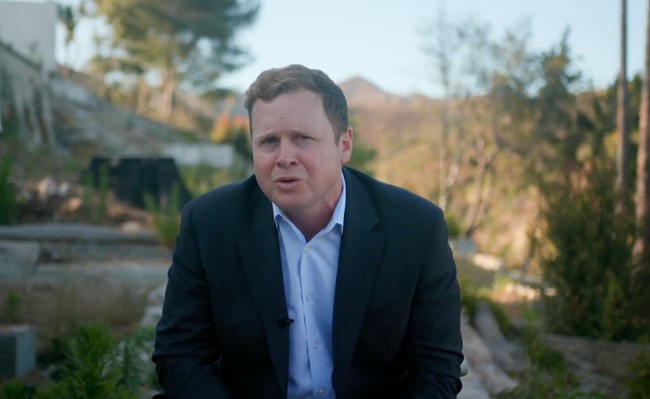
Spencer Pratt announced what he called a shift from running for mayor to exposing what he calls a corrupt machine in Los Angeles. In a concession-style video, he framed the end of the campaign phase as the start of a more aggressive effort aimed at digging into alleged fraud and wrongdoing. Pratt says his objective was never truly the office itself but revealing what he believes are systemic problems that harm residents and reward insiders. That claim sets the stage for a different kind of political fight—one less bounded by campaign rules and more focused on public accountability as he sees it.
Pratt addressed mockery from late-night media with defiance, quoting comments directed at him and responding that he won’t be silenced. “You think you can get rid of me that easily?” he asked, and then added bluntly, “Hey morons. I didn’t get in this for political power. I got in this to expose this corrupt machine. Nothing’s changed. You enjoy your worthless meetings in City Hall. I’ve been lighting you up every single day and now I don’t have to worry about offending CNN viewers. I don’t have campaign laws hamstringing me now. It’s war.” That quote underlines a campaign-style posture repurposed into a combative investigative stance.
https://x.com/spencerpratt/status/2065480031275544812
Pratt claims he’s no longer constrained by campaign finance and disclosure rules, implying he can pursue recordings, documents, and other material without the same legal constraints that come with being an active candidate. He told listeners he had been holding back certain recordings for the general election but now plans to release material that, in his words, would force a candidate to “resign in shame.” Those are serious allegations that promise to provoke both media attention and legal wrangling as parties scramble to respond.
He named opponents directly and aimed his warnings at them, saying, “So Karen, Nithya, ask yourselves, is it possible that one of your employees may have a recording of you doing or saying something that would force you to resign in disgrace?” That direct targeting is meant to unsettle and to put pressure on those in the mayoral field and their organizations. The tactic can shift attention away from policy debates and toward scandal management, investigations, and defense strategies.
Pratt framed his actions as a defense of neighborhoods and citizens troubled by crime, homelessness, and economic decline, invoking parents, neighbors, and business owners. “All my neighbors in the Palisades. All the moms who worry about their kids walking past drug addicts in front of their schools. All the business owners getting crushed in the LA economy,” he said, connecting personal grievance to a broader political argument. He is trying to turn individual frustrations into political leverage by exposing alleged misdeeds and calling for accountability.
He escalated further, saying he expects federal law-enforcement action: “I want all of you awake at night sweating, worrying about 5 am with FBI busting in your door, breaking open your office, because I assure you, they’re coming.” Whether or not such outcomes materialize, the rhetoric injects fear of criminal exposure into local politics and forces officials to respond to the possibility of serious investigative developments. That dynamic tends to consume headlines and divert attention from governance questions.
Observers will note Pratt’s mention of past scandals as context for his threats, pointing to previous secret recordings that toppled local figures. A history of leaked conversations and labor ties in Los Angeles provides a backdrop that makes new revelations plausible to some voters. Past episodes showed how vulnerable local players can be when private comments become public, and Pratt is counting on that precedent to amplify the impact of anything he releases.
The practical result may be a defensive posture across city hall, with candidates and staffers auditing their communications and preparing legal responses. Pratt’s shift from campaigning to confrontation means local political groups may spend the coming months managing fallout rather than selling policy agendas. That could intensify divisions inside the city’s political coalitions and between establishment groups and grassroots factions.
No matter how the allegations play out, Pratt’s strategy alters the political landscape by prioritizing exposure over electoral victory. By promising to publish material he says would force resignations, he forces opponents to reckon with the possibility of reputational damage and legal scrutiny. For a city already strained by crime, homelessness, and economic pressure, that kind of fight promises to be loud, disruptive, and consequential for how civic leaders spend their time and resources.



Add comment