
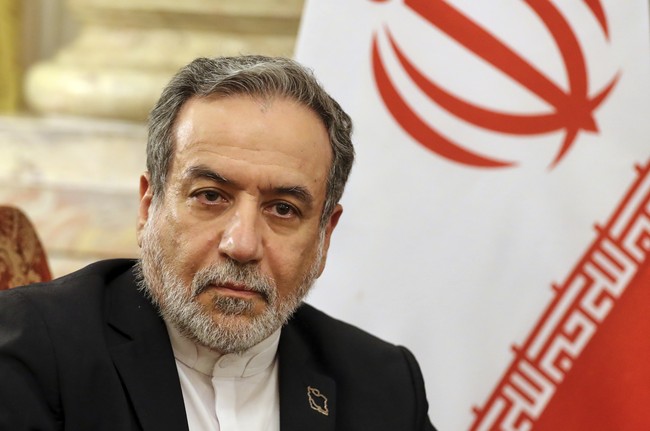
The Iranian government publicly reprimanded its own media for leaking details about a near-final agreement, and top Iranian and Pakistani officials pushed back on the same rumors while President Donald Trump highlighted those corrections as evidence the pact is real and enforceable.
Reports that a deal was virtually complete set off a rare internal dispute inside Iran, with the foreign ministry and foreign minister Abbas Araghchi urging restraint from state outlets. Those comments undercut earlier leaks and suggested the negotiators want control over the narrative as final steps are taken. The pushback also gave the Trump team room to frame the agreement as decisive and structured around concrete safeguards.
Araghchi publicly warned media against speculation and said officials would make the agreement public when appropriate, a message that signaled both confidence and caution. That rebuke to state press is notable because it suggests Tehran prefers a single, managed release rather than fragmented leaks that could derail final approvals. President Trump seized on that discipline as proof the arrangement is winding toward implementation and not a loose verbal understanding.
The Islamabad Memorandum of Understanding has never been closer. Pending its finalization, the media should refrain from entering speculation about its content.
In line with our responsible and transparent approach, all details will be shared with the public in due course.
A senior U.S. official outlined five clear, enforceable terms the administration says are at the heart of the agreement, and those items read like practical, verifiable steps rather than vague promises. The list makes plain that this deal is meant to eliminate Tehran’s capacity to reconstitute a nuclear weapons program while keeping leverage until Iran meets conditions. That approach fits a conservative playbook: verify performance, deny rewards until compliance, and secure regional freedoms.
1. Nuclear material will be destroyed and removed
2. Nuclear program will be dismantled
3. None of their money released until they perform
4. Strait of Hormuz will be open
5. No Iran funding of terrorist groups
Those five points, if enforced, would represent a sea change from previous deals that relied heavily on time-limited commitments and on faith that Tehran would behave. The new framework appears designed to avoid past mistakes by linking tangible actions to concrete consequences. That hard-line posture is politically popular here because it prioritizes American security and regional stability over appeasement.
Pakistan’s role in mediating these talks has been front and center, and Islamabad pushed back against disinformation that aimed to derail the process. The Pakistani prime minister warned of sabotage efforts and emphasized that a final agreed text had been reached and was being refined. His statement framed Pakistan as a stabilizing broker working to finish what negotiators started.
Amid ongoing intense mediation efforts by Pakistan, we are fully aware of incessant misinformation campaign being waged by those who want to sabotage the peace deal. Setting aside the noise, we can confirm that a final, agreed upon text of the peace deal has been reached and Pakistan is now working closely with both sides to finalize the next steps. Peace has never been this close as it is now.
The Iranian regime publicly correcting its media is also a rare admission that internal messaging matters to the survival of any agreement. When governments scold their own outlets, it usually means negotiators are trying to protect fragile compromises from impulsive public reactions. That behavior gives Washington leverage: if Tehran wants the deal, it must follow through under strict monitoring.
https://x.com/CMShehbaz/status/2065467425408405712?ref_src=twsrc%5Etfw
President Trump used those developments to underscore his administration’s posture: firm demands, clear outcomes, and no premature concessions. His team has consistently emphasized verification and accountability, and the apparent structure of this pact lines up with that strategy. Americans who want security and a civilized peace will watch whether those five points are enforced and whether Tehran accepts the costs of backtracking.
Editor’s Note: For decades, former presidents have been all talk and no action. Now, Donald Trump is eliminating the threat from Iran once and for all.

Add comment