
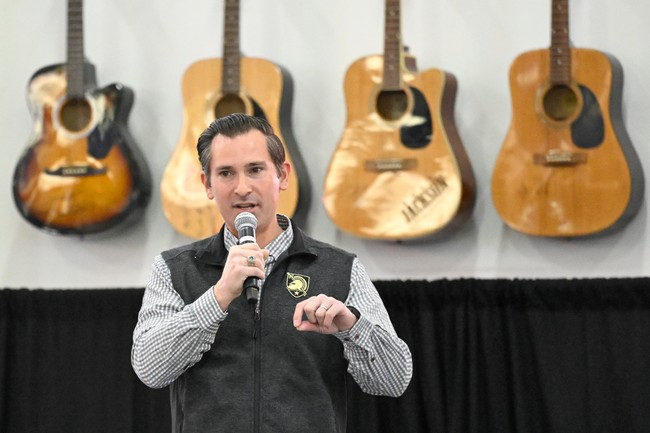
Matt Van Epps won Tennessee’s 7th District special election, and his victory offers practical lessons for Republicans heading into 2026 about media exposure, candidate preparation, and the danger of assuming any district is permanently safe.
Congratulations are due to Congressman-elect Matt Van Epps and the voters of Tennessee’s 7th for choosing a candidate who spoke plainly and stuck to conservative priorities. The race drew a lot of noise, but voters ultimately rewarded substance over spectacle. That outcome should prompt the GOP to rethink how it grooms, promotes, and supports candidates in competitive or seemingly safe districts.
The margin of victory was bigger than early polling suggested, but it still exposes vulnerability. In a district where President Trump carried the vote by a large gap in 2024, the contest was too close for comfort and too close for complacency. Republicans can’t treat wins like guarantees when the opposition can still mobilize and close the gap.
One clear lesson is that media strategy matters. Candidates need varied, timely exposure across platforms, not just last-minute appearances. Van Epps succeeded despite limited early coverage, not because the party amplified him for months on end, and that’s not a formula to rely on in future cycles.
Van Epps, however, won going away. By nearly 9 points. Not the two-point difference being suggested ahead of election day. Democrats wanted a close race so they could claim a participation trophy. To claim they were the ones with momentum and a mandate. But they didn’t even get close.
Does this mean Republicans should rest easy heading into the midterms? Of course not.
There’s no such thing as a safe district. Aftyn Behn was a deeply flawed candidate and still pulled a significant share of the vote in urban parts of the district. That should be a wake-up call: when Republicans ignore voters in specific communities, radicals and slick Democratic operatives will find ways to energize them.
Van Epps’ strength was sticking to a clear message and aligning with the priorities Tennessee voters delivered in 2024. When advisers urged him to soften his stance or distance himself from the president, he held the line. That gave voters a consistent, trustworthy voice rather than mixed signals from someone trying to be everything to everyone.
WATCH:
Another shortcoming revealed by the race was the GOP’s failure to deploy candidates into the places where younger and more diverse voters consume content. Trump put time into newer platforms and podcasts, and Republicans should do the same for wins in close contests. Van Epps needed months of exposure across streaming, social, and local outlets to build recognition well before ballots were cast.
More name recognition equals more accountability from voters who pay attention. In some parts of the district, Behn already had traction because she was visible and amplified; Van Epps only began to gain real footing when he stepped up his appearances. The party should not wait until the last minute for endorsements and fundraising pushes that could instead boost early, consistent outreach.
Van Epps improved with each appearance, growing more polished and more comfortable discussing the issues that matter to Tennesseans. That progression shows how crucial it is to give candidates the time and media practice to refine their message. Time on the air and onstage builds trust and credibility—things a hurried campaign can’t easily manufacture.
With a truncated calendar for special elections, Republicans face a tough task, but the midterms present a different reality and an opportunity to change habits. The party leadership must prioritize early media work, candidate coaching, and outreach to communities where Democrats have been investing resources. It’s not glamorous work, but it’s essential.
Finally, the rise of progressive Democrats who know how to rally their base means the GOP must stop assuming districts are locked down. These opponents are savvy about animation and mobilization, and the GOP needs to match that energy with plainspoken messaging and relentless organization. Winning requires fighting for every vote, not relying on past margins.
There are lessons here about preparation, discipline, and effort that the Republican Party should put into practice now. With the next major contests on the horizon, the choice is simple: do the hard work of campaigning everywhere, or risk losing seats that have no right to be taken for granted.
She knows her audience and the people who support her vacuous message.
Does @matt4tn ?
Here’s my take: If Van Epps does manage to eke out a win, then the Republicans will continue to be complacent about actually campaigning and speaking to issues that matter to their constituencies.
If he loses, Democrat Socialists will become even more emboldened to push these candidates who are terrible, but they know how to market and rally their base, as well as lull the @GOP into a complacent slumber where they do not fight for every vote.
Neither option is good. There are lessons to be learned here. Will they be heeded before it’s too late?
There are fewer than 365 days until the next big midterm cycle, and Republicans should act with urgency. Invest in candidates early, expand media footprints, and stop treating districts as untouchable. Those steps will increase the odds that victories are decisive rather than close calls that invite mischief.

Add comment