
I argue that sports coverage should focus on the game and the team, not endless culture war noise, and I walk through the Giants’ current mess, questions fans deserve answers to, and why real baseball reporting matters more than performative outrage.
Greetings from a sports desk that prefers stats, scouting and lineups over perpetual scandal-chasing. The sporting calendar is busy — the 2026 NHL Draft is on June 26 and 27 in Buffalo, the NBA draft is happening, and the World Cup continues to dominate attention. Still, a single story keeps drowning out everything else: the fuss over some San Francisco Giants pitchers and a Pride Night hat incident on June 12, 2026. That flap has turned into the headline people refuse to let go of while the team itself limps along on the field.
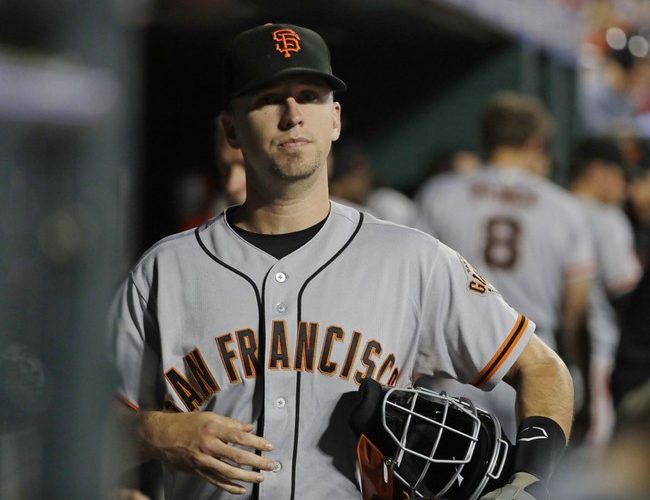
The back-and-forth has been loud, messy, and mostly unhelpful, especially given where the Giants sit in the standings. Buster Posey, the franchise’s former catcher and a member of three World Series-winning clubs, tried to shut down the distraction on June 23, 2026, stressing that the organization has addressed the matter and that differing perspectives exist. He emphasized the team’s focus should be on baseball: the upcoming draft, the trade deadline, and winning games.
I’d like to recognize that the organization has shared its response to Pride Night, and I understand that there’s strong feelings on this topic. There’s differing perspectives. And, out of respect to everybody involved, it’s not something that I’m going to revisit.
I understand that some fans are upset and frustrated, and I can promise you this is something that we’ve talked about a lot internally. And, we’ll continue to do so.
You know, our focus is on the team right now — the upcoming draft, the trade deadline, and trying to win games. So, anybody that has baseball questions, I’m happy to take baseball questions from you now.
As the video clip illustrates, no one asked baseball questions. Instead the room filled with social arguments and recycled outrage, which is frustrating for anyone who follows the Giants for the baseball. Fans want to know about runs, pitching, roster construction and whether this team can be competitive again this season. The persistent focus on a side issue buries those legitimate inquiries and leaves the real problems unaddressed.
At the start of play on June 23, 2026, the Giants were 15 games under .500, a long way from preseason hopes of contention. That record raises immediate baseball questions that deserve answers from management and coaching: what specifically has gone wrong with the roster, and can it be fixed before the trade deadline? Fans are owed clarity on whether this group has the pieces to right the ship or whether a longer-term rebuild is necessary.
Other pressing operational questions flow from the record. How effective is the rookie manager, Tony Vitello, proving to be through his decision-making and clubhouse leadership? Has management discussed adding experienced coaches to help him navigate a difficult season, or is the current staff considered sufficient? These are concrete, baseball-focused queries that matter to attendance, payroll decisions and the franchise’s short-term direction.
Draft strategy also deserves scrutiny as the organization heads into the upcoming selection period. Will the Giants target immediate needs to help the big-league club, or will they prioritize best-player-available to stock the farm system? That strategic choice will shape the team’s competitive window and influence whether the front office aims to spend heavily to chase the Dodgers or adopt a more conservative payroll stance.
Financial strategy ties into another unavoidable topic: where does the club stand on spending relative to rivals? If the Giants want to compete with top payroll teams, they must be clear about their willingness to commit resources. Fans should hear straight answers about budget priorities, willingness to chase free agents, and the balance between fiscal responsibility and on-field success.
Labor relations cast a long shadow over all of this, too. With a potential work stoppage threatening the 2027 season, management’s perspective on the current negotiations is not just abstract boardroom talk; it directly affects player development plans, roster construction and long-term competitiveness. Posey’s experience as a player and executive would be useful in explaining how the club views those risks.
These are the kinds of questions reporters should press on at a press conference. Tough, fair, baseball-centered follow-ups would expose the franchise’s plan or lack of one and provide fans with information rather than spectacle. There’s nothing cynical about asking whether the clubhouse feel is healthy, whether Oracle Park needs upgrades to attract free agents, or whether the front office sees a plausible path back to relevance this season.
Real sports reporting means prioritizing the game and the team’s future over manufactured controversies. Fans want to engage with the sport itself — the players, the strategies, the prospects and the stands of real decision-makers. If the media returns to that focus, everyone benefits: the public gets clarity, the team faces accountability, and the noise finally stops making the game harder to enjoy.
SMART W0RK I was kind of worried about the entire thing. I’ve never worked from home, But Yeah, (D11) I did just join and all is good. so I will post back how it
goes!_____ JUST CLICK ON MY USERNAME