
The Democrat establishment is shifting its tone as the Democratic Socialists of America pushes farther into the party, trying to downplay sharp policy divides while privately hoping to blunt the insurgency; this article examines that pivot, the candidates involved, and why the appeasement approach is likely to fail.
For weeks now, party leaders have leaned on the familiar “big tent” line, insisting the Democratic coalition welcomes a wide range of views. That talking point looks increasingly strained as DSA figures openly call for sweeping changes to American institutions, leaving establishment Democrats to choose between confrontation and accommodation. The stakes are simple: either the party asserts clear boundaries or it slowly cedes them to a faction that wants to remake the system.
DSA co-chair Megan Romer recently gave an interview where the group’s platform was laid out with brutal frankness, advocating positions that move far beyond mainstream Democratic policy. At the same time, another co-chair, Ashik Siddique, said in a different interview that “our goal is communism.” Those are not small differences in tone; they’re existential questions about what the party stands for and what it is willing to tolerate.
Establishment figures, meanwhile, keep trying to thread a needle: they criticize some statements rhetorically but still back non-DSA candidates—until those candidates start winning primaries. In Michigan, for example, establishment support coalesced around Rep. Haley Stevens in the Senate primary, while the DSA and associated voices rallied behind Abdul El-Sayed. That contest became a flashpoint where the lines between pragmatic politics and ideological surrender started to blur.
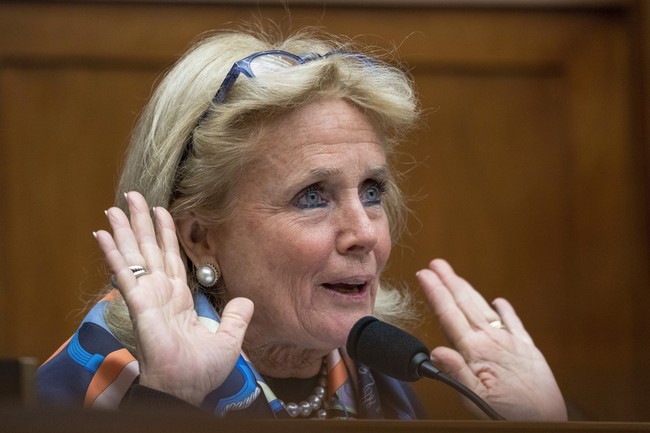
On Primary Day in Michigan, El-Sayed looked poised to advance, and some Democrats reacted by softening their criticism rather than doubling down. Rep. Debbie Dingell is a case in point; when pressed about El-Sayed’s more extreme remarks she adopted a conciliatory tone, emphasizing inclusivity and avoiding direct rebuttal of controversial positions. That choice signals a strategy shift: better to accept uncomfortable allies than risk a divisive public fight before the general election.
George Washington University law professor Jonathan Turley watched a television interview and highlighted how Dingell deflected tough questions about El-Sayed. The clip captures a common pattern: establishment figures call out “labels” and emphasize unity while sidestepping the concrete policy proposals that alarm many voters. When leaders downplay radical statements as mere differences of opinion, they make it harder for skeptical voters to trust their judgment.
https://x.com/RNCResearch/status/2084643653113278582
Bill Hemmer just pressed Rep. Debbie Dingell on “how can you endorse” if El-Sayed is the nominee after he said this month that Israel does not have a right to exist. Dingell shrugged it off as one of many issues that they will simply have to disagree. Of course, this is in addition to abolishing ICE, effectively destroying the Supreme Court, wealth taxes, releasing criminals, and, of course, his continued embrace of virulent anti-Semite Hasan Piker. However, Dingell and others pledge that they will work for his election to the Senate…
…Hemmer continued to press Dingell, who was reduced to simply denouncing “labels” while shrugging off that El-Sayed is attacking borders, cops, and Israel. It is part of the delusion of the establishment that they can use these radicals to regain power but remain untouched.
The emerging plan from establishment ranks appears to be transactional: ignore the most extreme policy positions and focus on narrow areas of agreement where needed to win elections. That is a short-term tactic born of desperation to reclaim control of Congress, but it comes with long-term consequences. If insurgents sense that their most radical proposals will be tolerated, they will press harder, not moderate.
The DSA clearly sees opportunity. A series of primary victories would amplify their platform, normalize harder-left policies, and shift internal party dynamics in their favor. Young voters, already more receptive to socialism, will take wins as evidence their direction works and press the party to supply more ambitious proposals rather than tempered compromises.
Establishment Democrats face a real dilemma: try to resist the leftward drift and risk losing unity and some voters, or embrace the insurgents and watch core party institutions be reshaped by an agenda many voters find extreme. Past behavior suggests many in the party opted for accommodation, offering policy concessions and organizational access that have, over time, strengthened the DSA’s influence rather than containing it.
That history matters because it explains why Democrats now sound uncertain and inconsistent. For years, parts of the party both courted and coddled the socialist left, giving it platforms and opportunities to grow. Now those same leaders act surprised at the results, even as they scramble to manage outcomes they helped create.
Looking ahead, the balance of power inside the party will depend on electoral outcomes and on whether establishment leaders are willing to set enforceable limits. If DSA-backed candidates continue to accumulate seats, the pressure to supply more radical policies will only increase. If the party instead pushes back decisively, that will require clear messaging and a willingness to risk short-term losses to prevent long-term transformation.
For now, the Democrats’ pivot from confrontation to gentler language is underway, and the question becomes whether that softness is strategy or surrender. Either way, the internal conflict is becoming the defining story of the party’s future direction and its ability to present a coherent platform to voters.
Add comment