
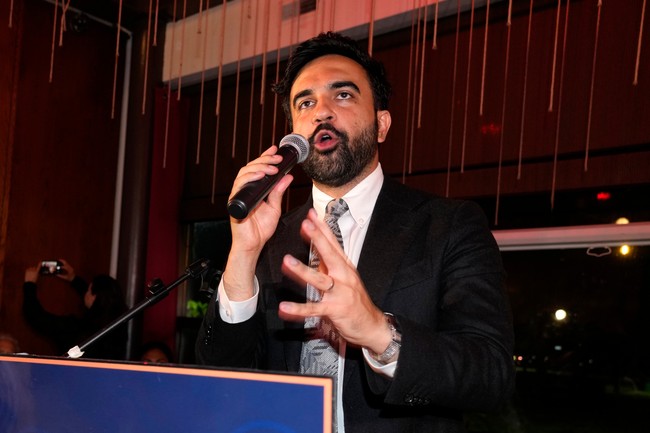
Zohran Mamdani is under fresh scrutiny after reversing course on a controversial grocery program and facing mounting doubts about other flagship promises like universal childcare and free bus fares. This article lays out what went wrong, why the policy logic collapses under basic economics, and how these reversals reveal a pattern of overreach that threatens local businesses and taxpayers. Quotes from officials and reports are preserved to show the public record, while embedded media placeholders remain where they appeared. The tone is direct and skeptical about the feasibility of these initiatives.
The grocery program initially sparked outrage because officials floated the idea of targeting benefits to city residents, even suggesting a “library card-esque” ID to limit access. That explicit language invited questions about fairness and enforcement, and opponents saw it as an implicit acknowledgment that the program could be gamed. Mamdani later disavowed any ID requirement, effectively opening subsidized stores to anyone, which only deepened conservative concerns about taxpayer dollars being spent without safeguards.
The flip-flop on grocery IDs didn’t happen in isolation; it ties into a broader pattern where symbolic promises collide with fiscal reality. Critics argue government-run supermarkets rarely operate like efficient private businesses and often distort local markets. The fear is that subsidized outlets will undercut private grocers, erode their profits, and accelerate business closures in already fragile neighborhoods.
One pointed critique in the public debate captured the controversy and accused mainstream outlets of downplaying the issue: “The implication is clear here. The outrage was a construct of the right. A fiction. And of course, Mediaite helped spread that idiotic narrative, with their angle that Mamdani ‘laugh(ed) off’ the ‘MAGA uproar.’ The ‘uproar’ was over the hypocrisy. And the concerns were not made up. Jeanny Pak, the interim president and CEO of the New York City Economic Development Corporation, said: ‘We are looking to make sure that we target New Yorkers, whether it be a sort of library card-esque thing, and also we manage who’s buying and that it is focused on everyday New Yorkers.’ Pretty clear-cut statement there.”
There’s also a larger ideological backdrop here: substituting market mechanisms with centralized programs often produces unintended consequences. Rather than fixing access or affordability, government interventions can create dependency and reduce choices. The result is predictable—private competitors struggle, service quality suffers, and taxpayers shoulder rising costs with little accountability.
Another of Mamdani’s signature promises, universal childcare, is now running into severe cost problems that should have been anticipated. Early studies suggest the price tag is far higher than the mayor advertised, raising the likelihood of service cuts, higher taxes, or both. What starts as a political promise risks turning into a fiscal trap when planners underestimate complexity and per-child costs.
A recent analysis cited by critics indicates the program could require several billion dollars annually, with per-child averages far above optimistic projections. When a city pretends these programs are affordable without a clear funding mechanism, it sets itself up for either broken promises or painful trade-offs elsewhere in the budget. That’s the recurring problem with grand social programs rolled out without honest accounting.
Meanwhile, the push for free bus fares has similarly hit reality. Campaign talk promised fare-free rides, but MTA collections show bus revenue is still being counted and ridership patterns are shifting. The charged rhetoric around “free stuff” influences behavior even if the policy never materializes, and transit agencies face lost revenue and service dilemmas as a result.
Looks like that scheme has already fallen to the wayside, as The Gothamist recently pointed out.
It still costs $3 to ride the MTA’s buses, despite Mayor Zohran Mamdani’s campaign pledge to make them free for everyone.
But don’t tell that to a growing number of New Yorkers who are evading the fare. The MTA last week reported paid bus ridership fell nearly 8% in June compared to the same month last year, despite the subway and commuter railroads bringing in more fares.
During Mamdani’s first six months in office, the fares the MTA collected from bus riders fell by $31 million compared to the first half of 2025. And MTA Chair Janno Lieber suggested Mamdani’s campaign pledge wasn’t helping.
https://x.com/Abdulclips_/status/2065479750814990431
MTA leadership bluntly framed the issue: “With malice towards none, I say all the talk of free bus has an impact, it does have an impact,” Lieber said. “Without rancor and without blame, I do think we have to now turn as a city to re-establishing the principle that everybody shares in the responsibility for contributing to this system.” That appeal to shared responsibility highlights the practical limits of populist pledges, especially when they lack funding plans.
Collective responsibility is the rub. Utopian promises often require heavy-handed enforcement or hidden costs when the funding runs dry. Once services falter, the same leaders who championed them will face political backlash while taxpayers pick up the tab. For voters skeptical of expansive government experiments, these episodes reinforce a simple truth: big promises without fiscal discipline create real problems for ordinary people.
Economics and accountability matter, and when policy meets reality, proponents must answer practical questions—not shrug and switch slogans.

Add comment