
I’ll walk through the 125th anniversary of mandatory vehicle registration in the U.S., how license plates and the DMV evolved, the surprising role of prisons in plate production, the shift toward online services, and one small tale of a custom plate gone wrong.
History has a way of hiding in plain sight, and the DMV is a perfect example. On April 25, 1901, New York required vehicle owners to register their cars, launching a modern obligation that most of us accept today without a second thought. That requirement set in motion a set of government services that most people love to complain about but rarely consider as part of everyday modern life.
The first license plates were humble and homemade, often bearing merely initials rather than standardized numbers. Massachusetts later became the first state to actually issue metal plates in 1903, while other places experimented with leather and varying formats. Early registration systems reflect how rapidly cars reshaped transportation and forced governments to respond with simple, practical solutions.
Back in 1900, there were just 4,192 motor vehicles in the U.S. But every year, the number of cars was skyrocketing (by 1908, it would reach 63,500). As automobiles grew in popularity, eventually replacing the horse and buggy, state governments needed a way to keep tabs on vehicles. The simple license plate was the solution, with a few letters and numbers stamped into a thin metal sheet to designate a car to its owner.
“New York became the first state to require owners to register their motor vehicles with the state,” says Ian Lang, senior car advice editor at Bumper.com via email. “The New York legislature required vehicle registration on April 25, 1901, followed by California later that year. New York’s first plates were homemade, bearing only the owner’s initials without any numbers. It was Massachusetts that actually issued its first license plates in 1903.”
France actually beat the United States to vehicle registration by a good margin, with tags appearing as early as 1893 and regulations for carriage plates going back even further. By 1918, all 48 contiguous states issued plates, though standards varied widely. That unevenness led to the mid-century push for uniformity, which gave us the familiar rectangular plates that fit almost every bumper and bracket.
These were the first instances of car registration in the U.S., but France beat them to the punch, with motor vehicle tags issued as early as 1893. In fact, all the way back in 1783, King Louis XVI mandated that carriage drivers in Paris have metal plates with their names and addresses fixed on their carriages.
“By 1918, license plates had been issued by all 48 contiguous states,” says Lang. These plates were made out of either leather or metal and were not very standardized from state to state. “It was common for early plates to have just the state’s name or abbreviation, a registration number, and, more often than not, the year.”
Standardization came in the 1950s, smoothing out size and materials so plates would be interchangeable across vehicles and borders. Since 1956, most American and Canadian plates measure 6 by 12 inches, a simple solution that reduced headaches for manufacturers and motorists. The Vehicle Identification Number also appeared mid-century as a consistent way to match paperwork to a specific car, tightening up registration systems.
At first, plates were essentially permanent, staying with a car for its entire life. Over time, states began requiring annual renewals and the now-familiar trips to the DMV, turning what started as a straightforward recordkeeping measure into a recurring chore. That annual ritual feeds a steady stream of DMV lore, the kind of shared misery that becomes part of local culture.
Prison labor plays a surprisingly large role in the production of license plates across the country. For decades many state departments of motor vehicles have used inmate labor to meet ongoing demand, and a sizable share of American plates still come from correctional facilities. The practice raises practical and ethical questions, but it also explains why production is widespread and consistent despite state-by-state contracts.
For many decades, the DMV system has used prison labor to meet the constant demand for new license plates. “It is estimated that 80 percent of license plates in the United States are produced in prisons. Several of those prisons manufacture plates for multiple states, says Lang. “In prisons, the actual metal plates are stamped, then the plastic sheeting is applied.”
Technology has chipped away at the need to queue up in person, with many states migrating registration and renewals online. That move reduces wait times and the classic DMV story material, but it also makes civic transactions more convenient for people juggling work and family. Still, a surprising number of plates today originate from stamped metal made behind prison walls, a reminder of how layered and unexpected the plate’s story is.
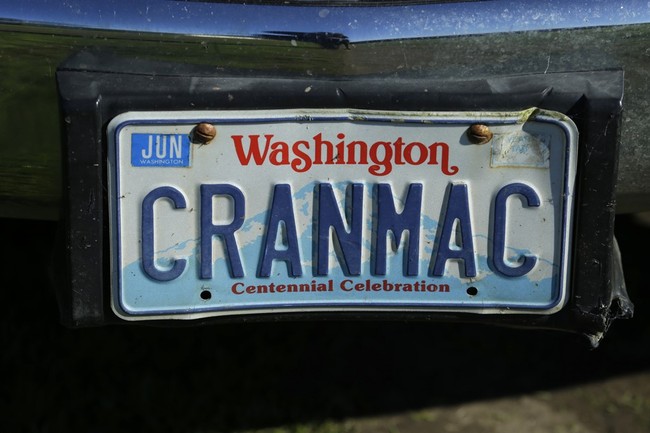
Personal touches—custom plates, vanity options, specialty designs—let drivers make a small statement, though the rules and character limits often lead to creative compromises. One such attempt produced a plate that read DARKHRS, intended to mean a black Bronco called the Dark Horse, but read by many as “Dark Hours.” It’s a reminder that bureaucratic constraints and human creativity make for funny outcomes.



Add comment