
Checklist: I will describe the White House Correspondents’ Dinner evacuation, report the immediate chaos and Secret Service response, recount prior assassination attempts on President Trump with dates and details, include courtroom outcomes and direct quotes, and preserve the original embed token for media.
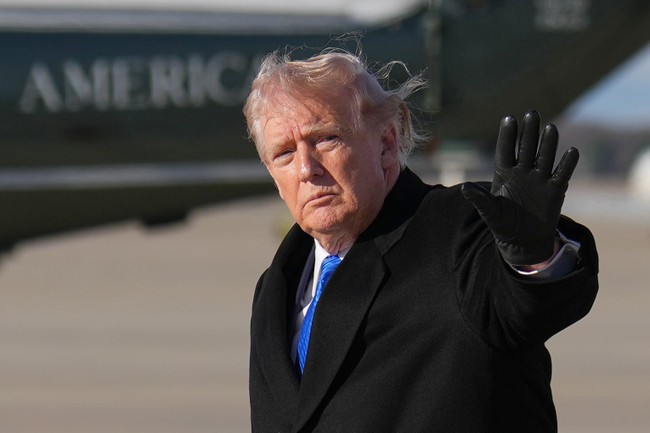
The scene at the Washington Hilton turned chaotic when reports of shots in the lobby forced Secret Service to rush President Donald Trump, the First Lady, and Cabinet members out of the White House Correspondents’ Dinner ballroom. Attendees scrambled, with multiple journalists hiding under tables, and agents moved quickly to secure the president and other protectees. Officials have not publicly confirmed the motive or the origin of the reported gunfire as of this writing, and no prior public threats to the event were reported.
Anyone who has followed the last several years knows this kind of rapid evacuation brings immediate questions about whether the president was the intended target. President Trump survived two separate, serious attempts on his life during the 2024 campaign and afterward, which informed how quickly and decisively protective details respond. Those previous incidents make officials and the public especially sensitive to any reports of gunfire near high-profile events.
On July 13, 2024, at a rally near Butler, Pennsylvania, President Trump was struck in the upper right ear by a bullet fired from a nearby rooftop by 20-year-old Thomas Matthew Crooks. Crooks fired eight rounds from an AR-15-style rifle, killed rally attendee Corey Comperatore, and critically wounded two others before law enforcement snipers killed him. The visual of the president ducking behind his lectern and then raising his fist as agents rushed the stage became an indelible image, and a bipartisan review later flagged failures in planning and coordination.
That bipartisan House task force found the attempted assassination in Butler could have been prevented and criticized the coordination between the Secret Service and state and local law enforcement. Secret Service Director Kimberly Cheatle resigned on July 23, 2024, following testimony that highlighted those shortcomings, and the fallout spurred changes in how protective operations are reviewed. Those institutional changes matter now whenever any disruption occurs around the president.
Two months after the Butler attack, on September 15, 2024, another plot unfolded in West Palm Beach when Ryan Wesley Routh set up a makeshift sniper position outside the fence of Trump International Golf Club. A sweeping Secret Service check of the course discovered Routh aiming a rifle from about 400 yards away, and an agent engaged him, prompting Routh to drop his weapon and flee. Trump was not in Routh’s direct line of sight and was escorted off the course without injury, but evidence at trial showed deliberate scouting and planning.
Routh left behind a handwritten letter that offered $150,000 to anyone who would “finish the job,” and the gravity of that threat was reflected in the sentence he later received. U.S. District Judge Aileen Cannon told Routh in court that his “plot to kill was deliberate and evil” and that he was “not a peaceful man.” On February 4, 2026, the judge sentenced Routh to life in prison, a stark reminder that such plots carry the highest penalties when proven in court.
Those prior attacks and plots explain the heightened sensitivity around the White House Correspondents’ Dinner evacuation and the rapid moves by Secret Service agents. When protectees are moved under threat, the priority is always to get them to safety first and sort the rest later, and that is what unfolded Saturday night. Reporters who were hiding under tables and others in the ballroom experienced the fear and confusion firsthand, and that chaos was captured in social posts from the scene.
There were criticisms and complaints about President Trump attending the dinner this year, and some journalists chose to boycott the event, but none of that changes the basic responsibility of protective services to act the moment shots are reported. Investigations into both the immediate incident at the Hilton and the longer history of threats against the president will follow standard procedures. For now, the focus remains on the safety of everyone involved and on the weight of past failures and fixes that inform current responses.
Add comment